PART 3 A COLOUR VISION: COLOUR AND MODERNITY

1. EXERCISE SEEING IS BELIEVING 

Read the article ‘Seeing and Believing’, written by Max Houghton for Foto8. Core resources: Foto8#4.3_SeeingBelieving.pdf

Select two bodies of work from Eight Ways to Change the World that show different conceptual and visual styles and write a short reflective commentary in your learning log. Both bodies of work should be in colour. Discuss aspects like information, aesthetics and expression. Core resources: Panos8ways.pdf  (Open College of the Arts, 2014:64)

Ami Vitale

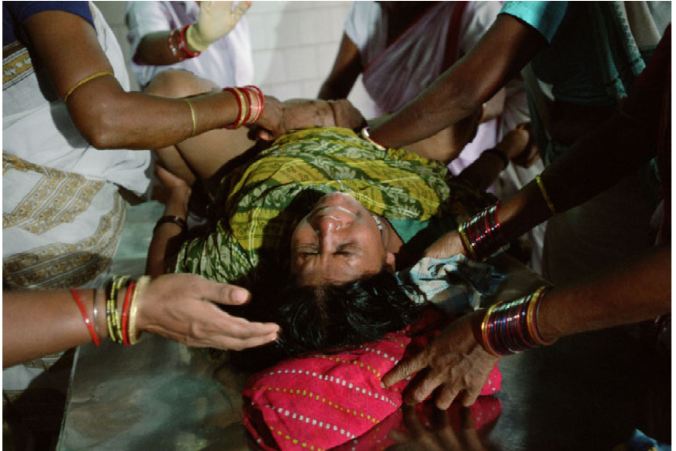
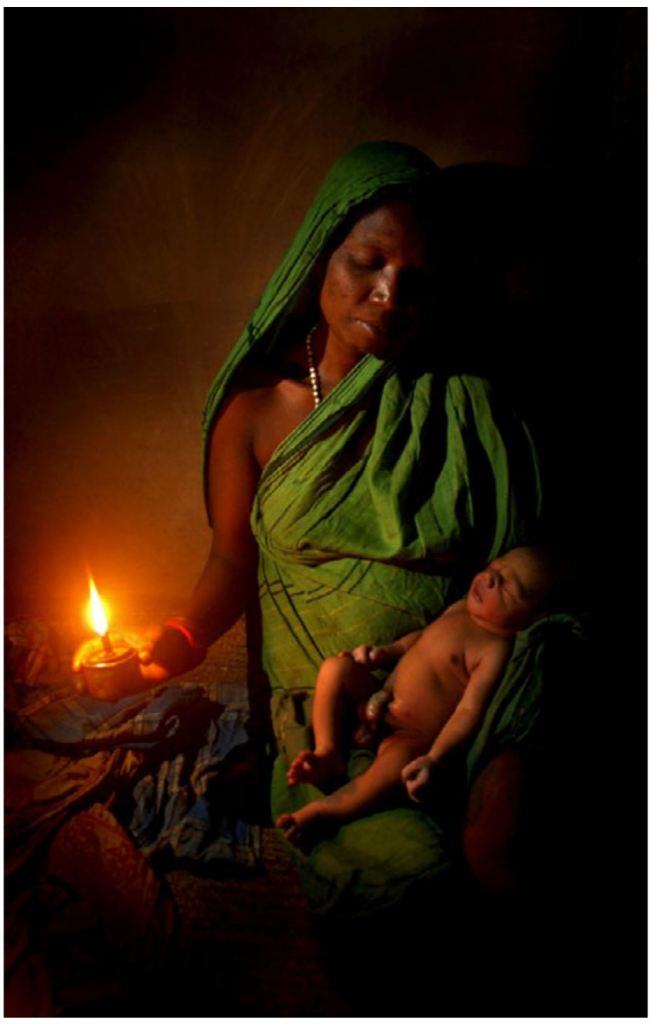
Her work shows us various types of maternity care for tribal women. The work highlights the increasing but still lack of medical birthing help for tribal women; the decreasing but still high percentage of maternal deaths and the reliance on traditional birth attendants. The images are centred around the mothers and new-borns which are represented in a variety of ways from the romantic “Madonna” style to the more hard hitting factual. I am particularly drawn to the image of the new-born baby and mother by paraffin lamp with the umbilical cord still attached also the image of the mother birthing a breech birth. Both these images are full of emotion but are contrasting. In the image of the birthing woman the hands around and on her indicate the care and concern around her; in contrast the image of the mother who has given birth at home emits serenity.
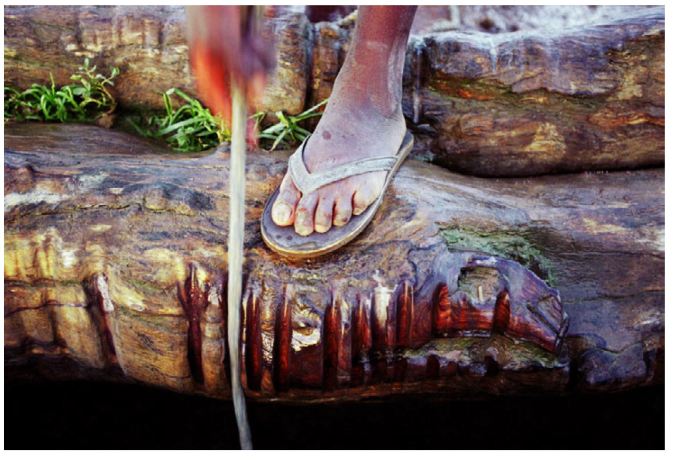
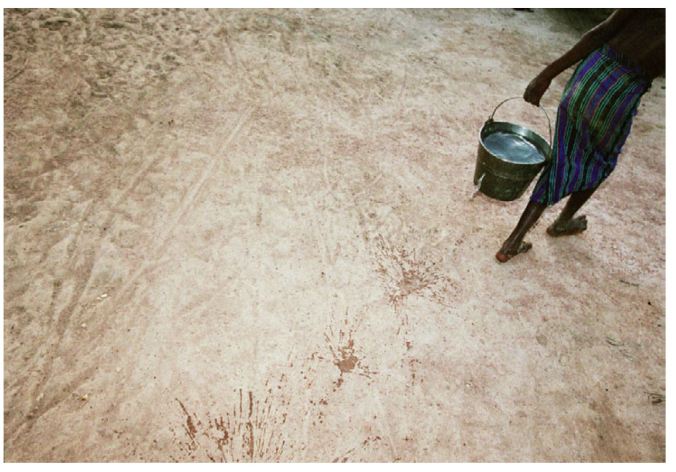
The work of Dieter Telemans is completely different. His subject matter is the collection of water from wells, either for domestic use or for sale by the 20-litre barrel. He highlights the danger and hard work in this work mostly done by women and children, hauling water from deep wells and carrying it distances to home.

What struck me initially was the varied perspective he uses in this work; it does seem to be used to emphasise the message in each image, in this first one the difficulty in carrying the water and water lost along the way, and the second the precariousness when hauling water out of the deep wells.
 Of these two works Ami Vitale’s offer more of a view of people transitioning from traditional methods to safer medicalised pathways; whilst Teleman’s seems to focus more on their current hardships. Both works do show how work can have a gravitas whilst not being in the traditional black and white documentary style and that in fact colour enhances their message.

References:

Foto and foto (2020) Volume 4 Number 3. At: https://issuu.com/foto8/docs/vol4no3 (Accessed 8/9/2020).

Houghton, M. (2005) ‘Essay Seeing and Believing’ At: https://www.oca-student.com/sites/default/files/oca-content/key-resources/res-files/foto84.3_seeingbelieving.pdf

Open College of the Arts (2014) Photography 2: Documentary-Fact and Fiction (Course Manual). Barnsley: Open College of the Arts.

Next Post: https://nkssite5.photo.blog/category/research/a3-research/surrealism-and-colour-photography/

DOCUMENTARY JOURNAL EXTRACT

I don’t normally post my documentary journal in this thread, however as it has been a while since I finished assignment 2 and am now going to post Part 3 and assignment 3 and I thought it would be good to show the context I have been working in over this time:

28.10.20

I have been finishing the coursework intensely the past couple of weeks, between funeral planning and beginning probate work, and grief.

Today I’ve had an e mail from OCA telling me that my tutor will need to be replaced; this sent me into a spin as I’ve not heard from the course director who I ws advised to write to to explain my circumstances and request some breathing space. I hope to have a dialogue with student support today. My intention is to press on now to meet my end of this course deadline, but with all I’ve been through the past few months and now probate, selling and clearing my mother’s house and facing a final house move from Hampshire to Pembrokeshire in December myself, I think if I don’t have a lifeline of some extra time I may self combust!

I would like to continue from Part 3 and Assignment 3 in a manner in which I can enjoy what I’m doing.

20.10.20

Back at last. Its been a very difficult few months. Subsequent to submitting my assignment  moved house to Wales and my Husband has also been in and out of hospital. Just when I thought things were settling down my Mother (in England) was taken ill, so I rushed back and was there for a few weeks; she subsequently died.

I am now back in Pembrokeshire and hope to get going again. I did contact the OCA to see whether I could take time out if needed but have not had a response. I would rather try to get back on track so I’ll try to carry on and catch up. Throughout this period I have been working on assignment 3, joining in with forums and study days and sharing work and ideas. I have attended many virtual events, it is just that its been rather stop/start and that my coursework came to a halt towards the end.

Onwards and upwards!

10.8.20

I submitted my assignment on 6th July and I’ve had my feedback (24th July) which is useful and incisive. In the last month I’ve moved house and studying and photography has had to stop, but I hoping to be able to start again this week.

Next Post: https://nkssite5.photo.blog/category/coursework/part-3-a-colour-vision/project-colour-and-modernity/exercise-3-1-seeing-and-believing/

ASSIGNMENT TWO SUBMISSION: SINGLE IMAGE NARRATIVE

THE BRIEF

Single image narratives: Produce eight images that, individually, have a narrative and convey a specific idea. Rather than focusing on a theme or activity, work on a concept. The more abstract the concept the better. Delivery: For this assignment you need to publish a blog page. Thumbnails should link to high resolution images. Aims: This assignment aims to help you develop your ability to conceptualise your thoughts and communicate your ideas visually. The emphasis is on effectively translating concepts into visual products. Provide a short commentary explaining your ethos and rationale along with your images. (Open College of the Arts, 2014: 53)

Nicola South Student number: 514516

ECONOMIC SCARRING

COMMENTARY

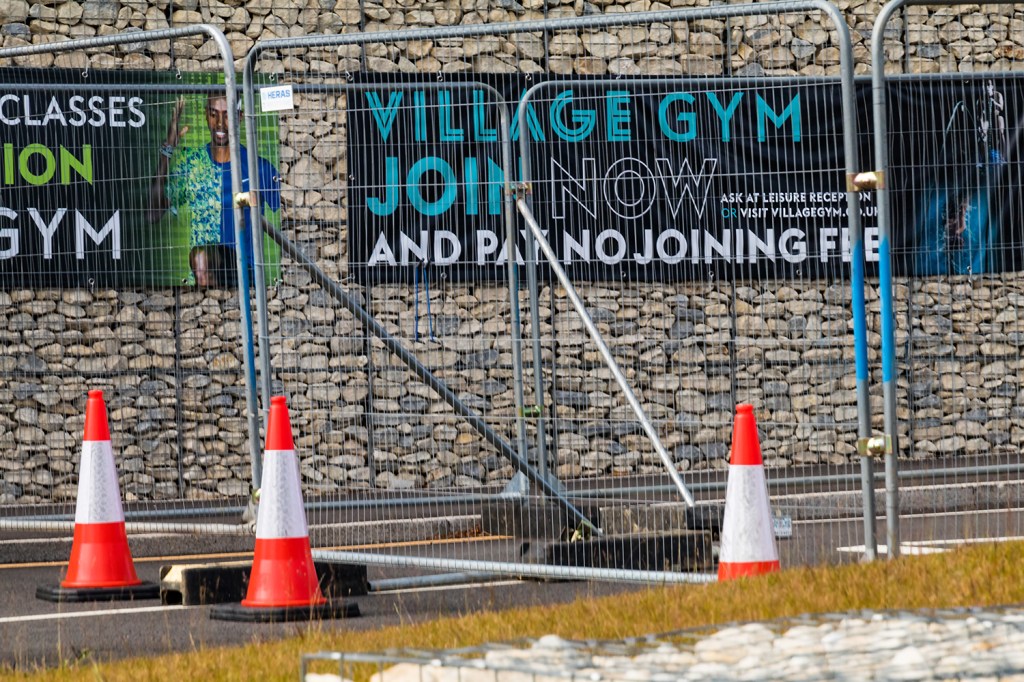
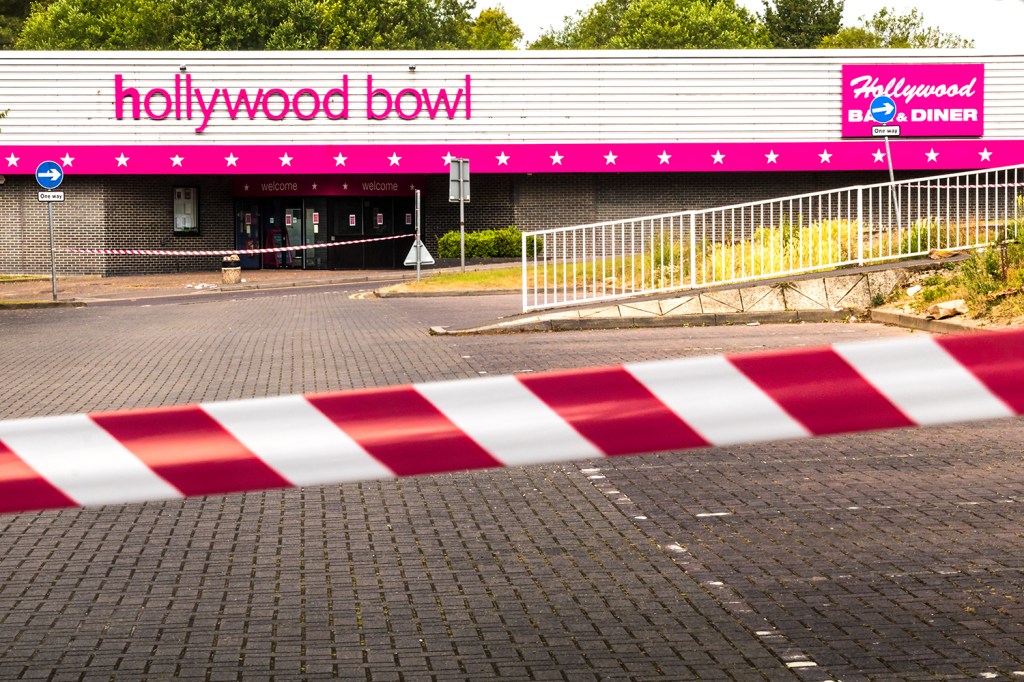
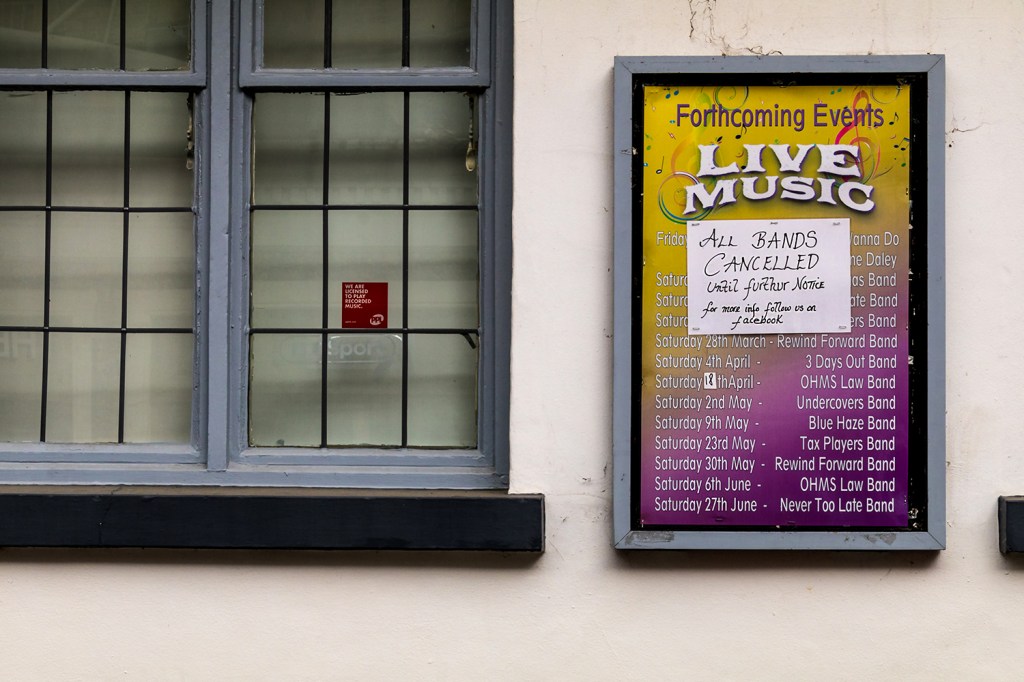
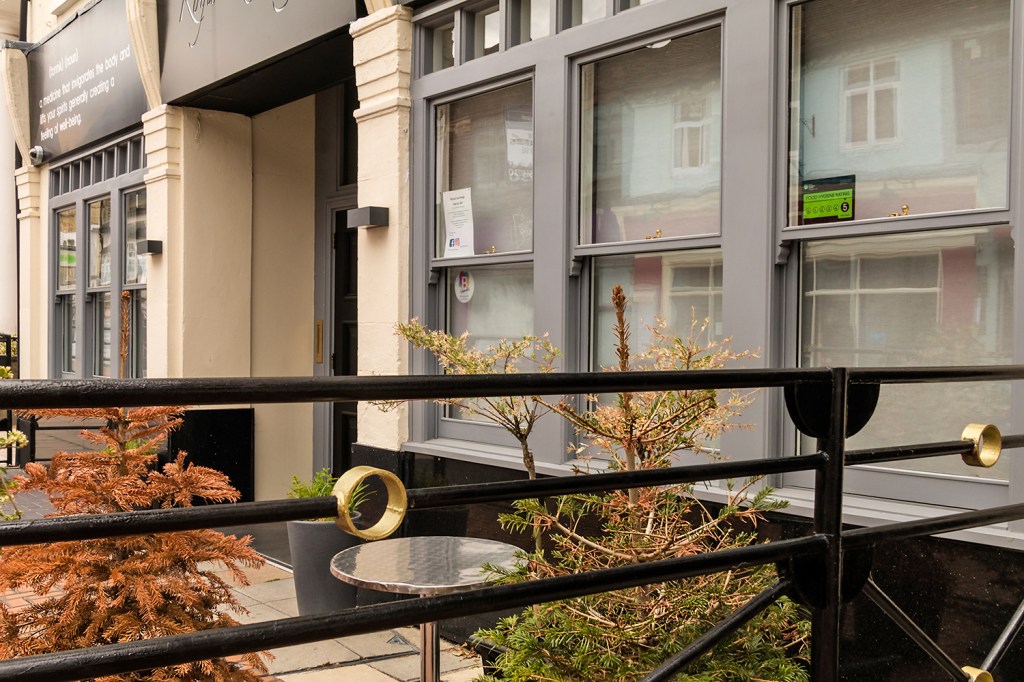
This work is about scarring, the damage that is left behind after trauma; not wounds on body tissue but the long-lasting damage caused by the current recession on our economy.

Economic scarring though not a new phenomenon, is a new term. This recession has led to “scarring”, long term damage to individuals’ economic situations and the economy. Covid 19 is the cause of this recession, but this work is not about Covid 19. My images are a response to my current fear for our futures, particularly livelihoods, and the damage that is already apparent.

In this work I have run with a concept that is meaningful to me now. In my own hibernation I have had much time to learn and reflect. I have; been offered, mainly by zoom, considerable photographic advice and stimulus, this has seeped into me. My initial thought was to photograph in a surrealist style, there are some of those elements in my images, but from that beginning I worked in an intuitive way and found my own style.

My intention was to go out and look with heightened awareness. Photographers such as Brassai have inspired me to train my eye so that I can reveal my world. I was struck by Stephen Shore’s comment that there should be no difference between shooting and seeing; this is what I aim to present to my viewers. Integrity is also important in this work, there is no construction here; though I have used my eyes and framing, to show you what I want you to see – a sense of something not quite right.

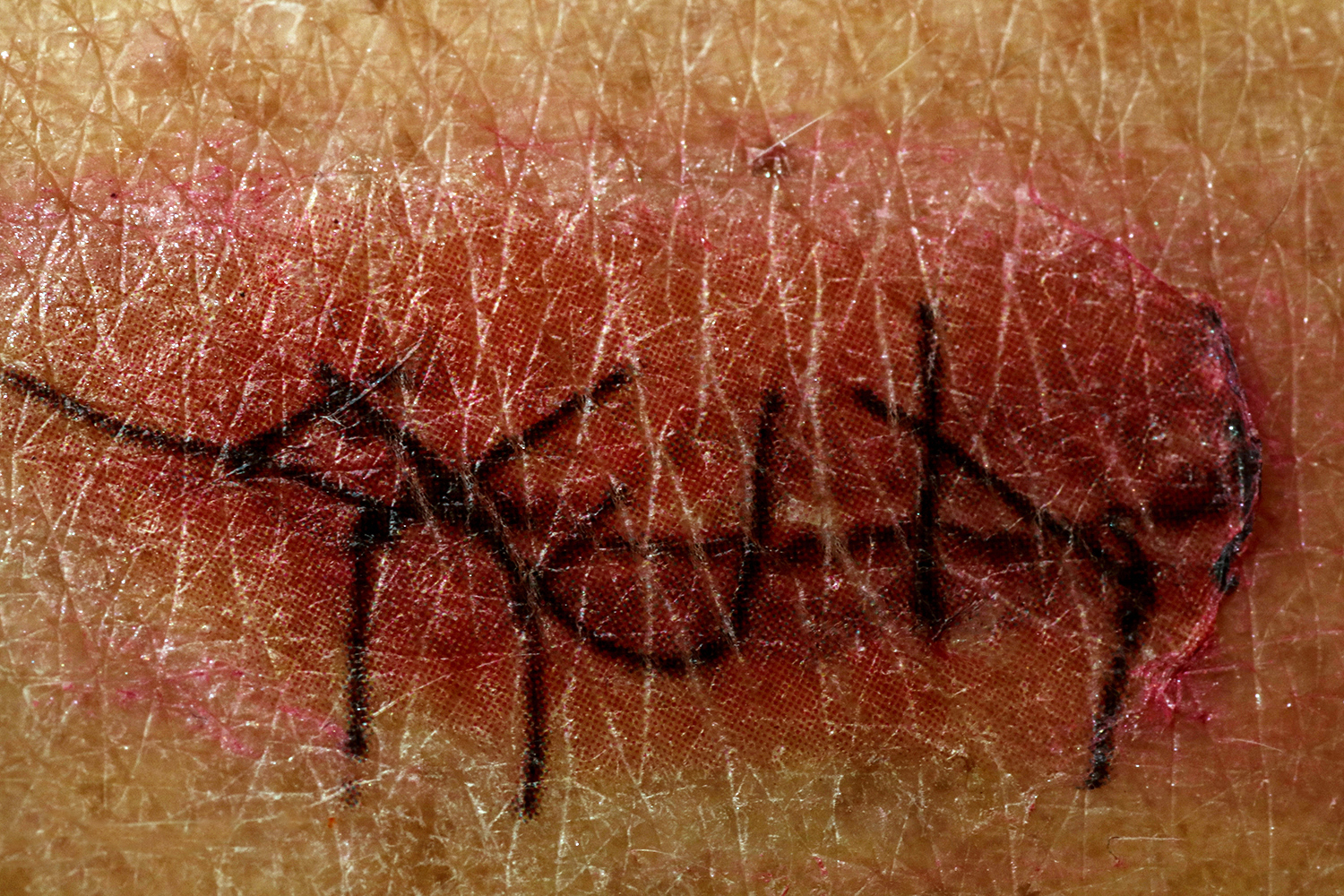
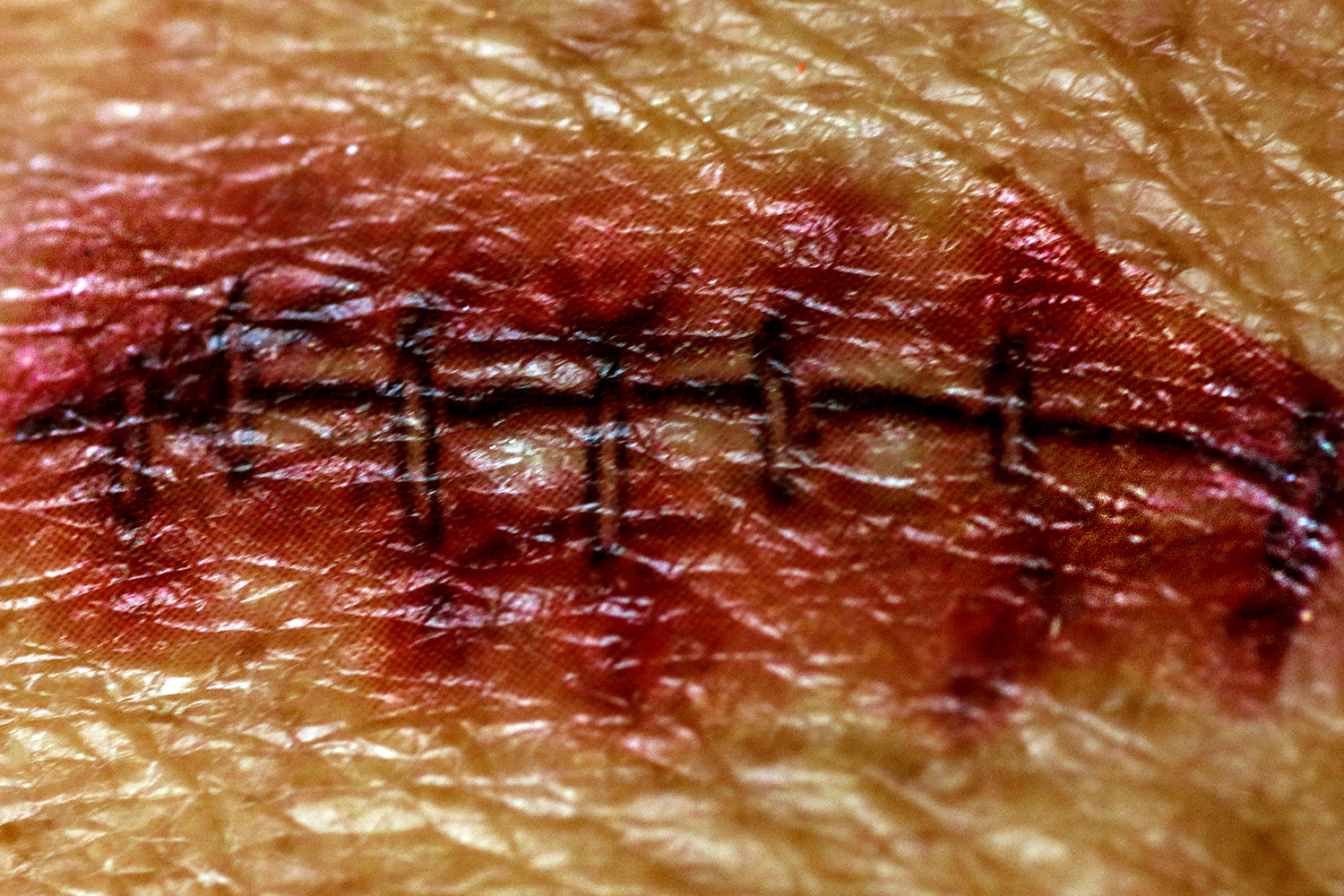
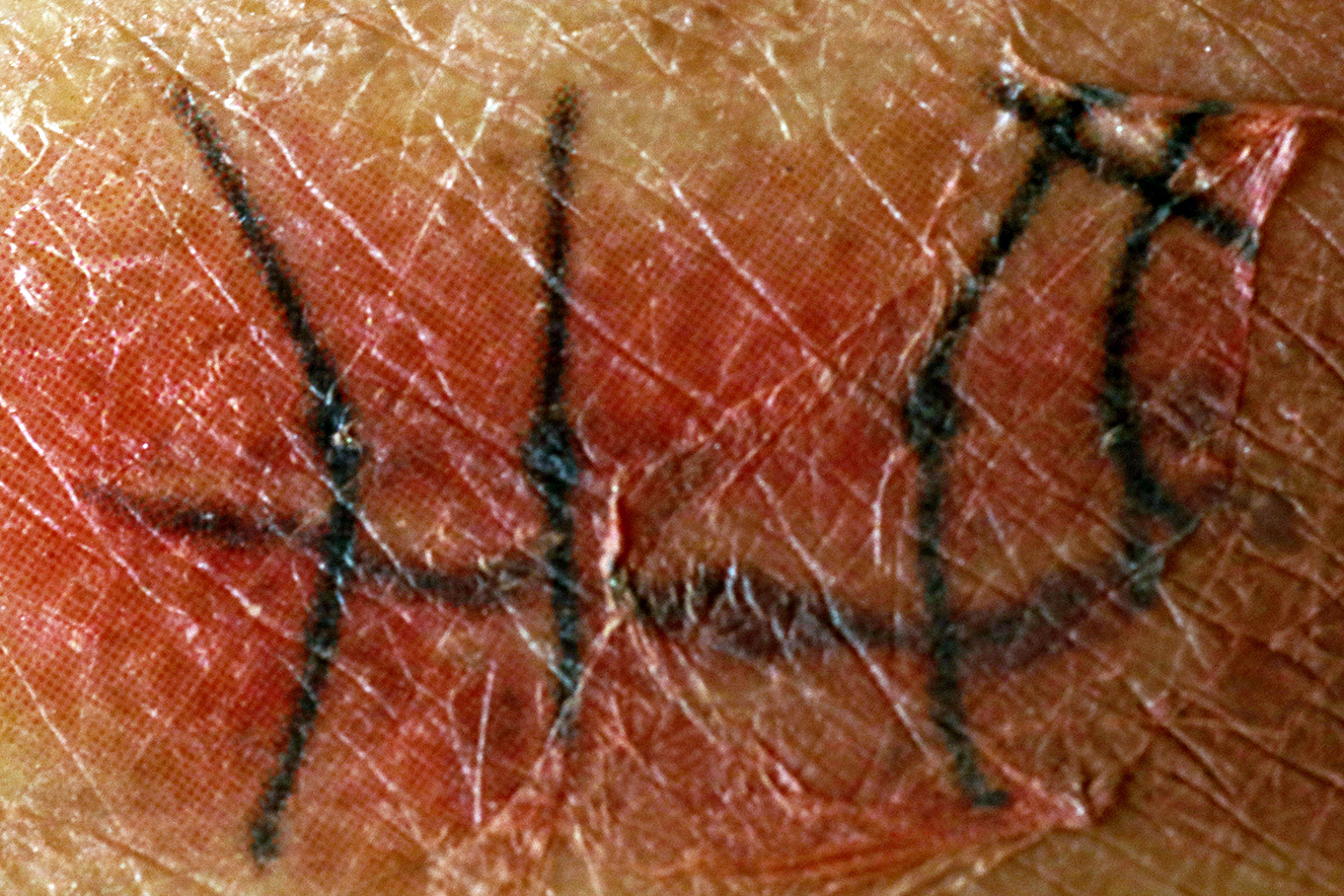
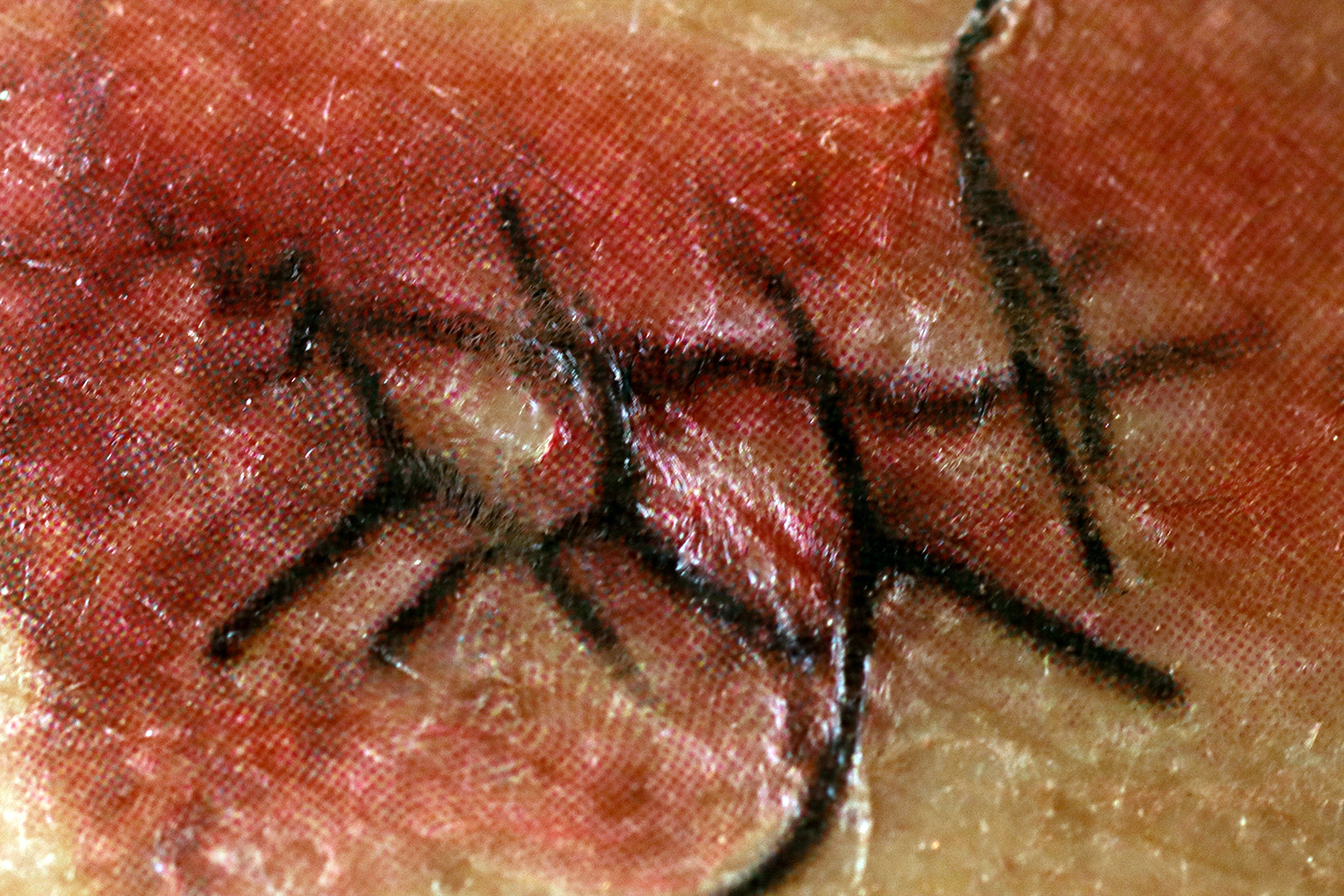
Every image has its own narrative, but together visually they anchor my concept. Each is accompanied by a flesh wound as a hashtag, to reinforce the human pain caused by the economic scarring. The stitching represents a holding together and hope of recovery. There are other signs and symbols within the work that are meaningful to me, however viewers will make their own meaning from what they see here.

ARTIST STATEMENT

The world has stood still, my world has stood still. I am concerned for our futures, our economic futures. When I emerged from my hibernation, I went looking to see how businesses were faring. Here is the damage I observed, scarring…economic scarring which will wound all of us.

ECONOMIC SCARRING

1 IMG_9939cp1500

1. IMG_9913cp2ps1500

2. IMG_9941 cpps1500

3. IMG_9932 cpps1500

2. IMG_9941 cpps1500

4 IMG_9944cpps1500

5. IMG_9958cpps1500

7. IMG_9894cp2ps1500

REFERENCES:

Short, M. (2011) Creative Photography: Context and Narrative. Lausanne: AVA Publishing

Open College of the Arts (2014) Photography 2: Documentary-Fact and Fiction (Course Manual). Barnsley: Open College of the Arts.

Every One – Site officiel de Sophie Ristelhueber (2020) At: https://sophie-ristelhueber.format.com/untitled-gallery (Accessed 01/07/2020).

Economic scarring: The long-term impacts of the recession (2020) At: https://www.epi.org/publication/bp243/ (Accessed 02/07/2020).

NEXT POST: https://nkssite5.photo.blog/2020/10/29/documentary-journal-extract/

ASSIGNMENT 2 SUBMISSION: SINGLE IMAGE NARRATIVES

Nicola South Student number: 514516

REFLECTIONS ON FORMATIVE FEEDBACK

Tutor report: This was written feedback

I’m glad that my tutor believes the work has provoked a lot of thought about the term “Economic scarring and visual culture. Economic scarring was my starting point, a new term that emerged at the beginning of the pandemic, not a new phenomenon but a new term. He also suggests that I should explain more fully the way I’ve combined small closeup shots of wounds with each image.

The scarring is not only present in the fabric of places affected by a pandemic but is felt by the people affect by and witnessing this. The term makes me wince almost in pain and it is for this reason that I decided to add a small raw wound under each image, as a hashtag to emphasis the hurt that has been caused. I chose stitched wounds to represent a holding together and the hope of recovery. I have placed them there to emphasis to viewers the damage that has been caused by the interruption to the economy and these businesses.

My Tutor also directs me to the work of John Davies, whose images of the eighties industrialised landscapes have an interesting visual approach. He also directs me to look at the work of Hannah Blackmore Vacant whose images of abandoned shop fronts are shot closeup like one of my images and do show both sadness and beauty. Looking at Blackmore’s work helps me to realise that one of my images fits less well in my set, whilst it might fit into her series!

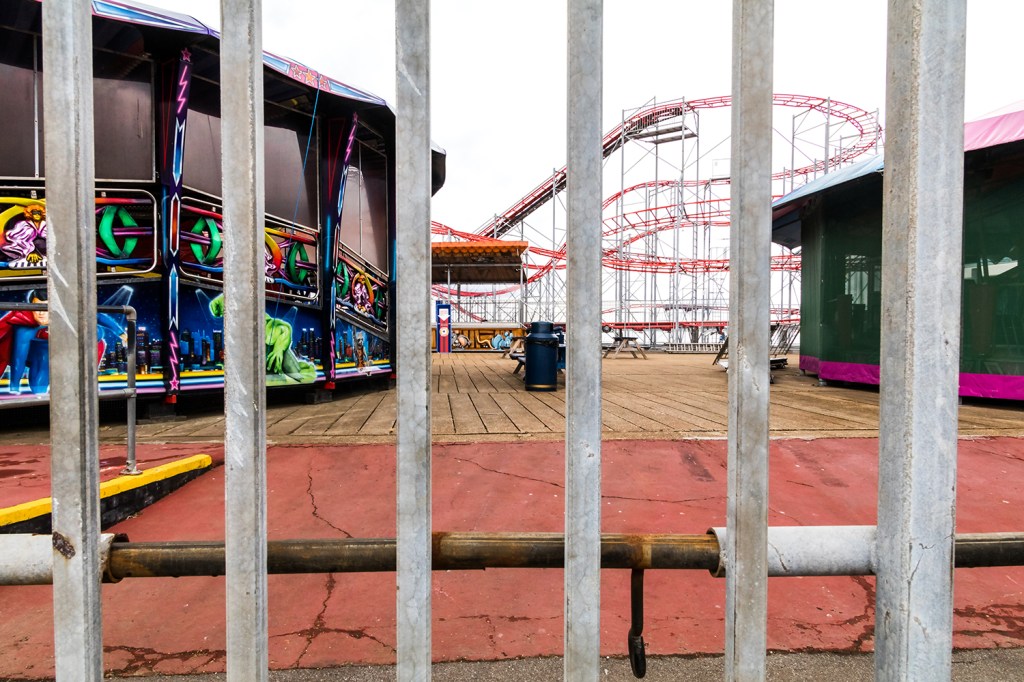
In view of this and other reflections I have taken out the shop front image and the Aquadrome images from my series and replaced them with others; two images that were in my draft, but I eventually excluded. I can see these images are more subtle than the images I am replacing and importantly to me show more obvious signs of abandonment, neglect and potential longterm damage.

My Tutor was correct to point out that I have linked my learning less than I would usually to the development of my assignment work; This was because I started work on the photography early on, as the deadline for business closures was coming to an end and I knew what I wanted to capture. So this is to be avoided in future!

I’ve also changed the background colour on my blog as suggested.

I will particularly take forward his encouragement to use still images to open thoughtfulness in my viewers, to also leave room for their interpretations.

Next post: https://nkssite5.photo.blog/category/submissions/assignment-2-submission/a2-submission/