Read the article on England Uncensored by the BBC Picture Editor Phil Coomes: http://www.bbc.co.uk/news/17190001.Dench talks about his “humorous approach with an underlying social commentary”. What do you think of this approach? Does it work? What are the ethical issues?(Open College of the Arts, 2014:77)
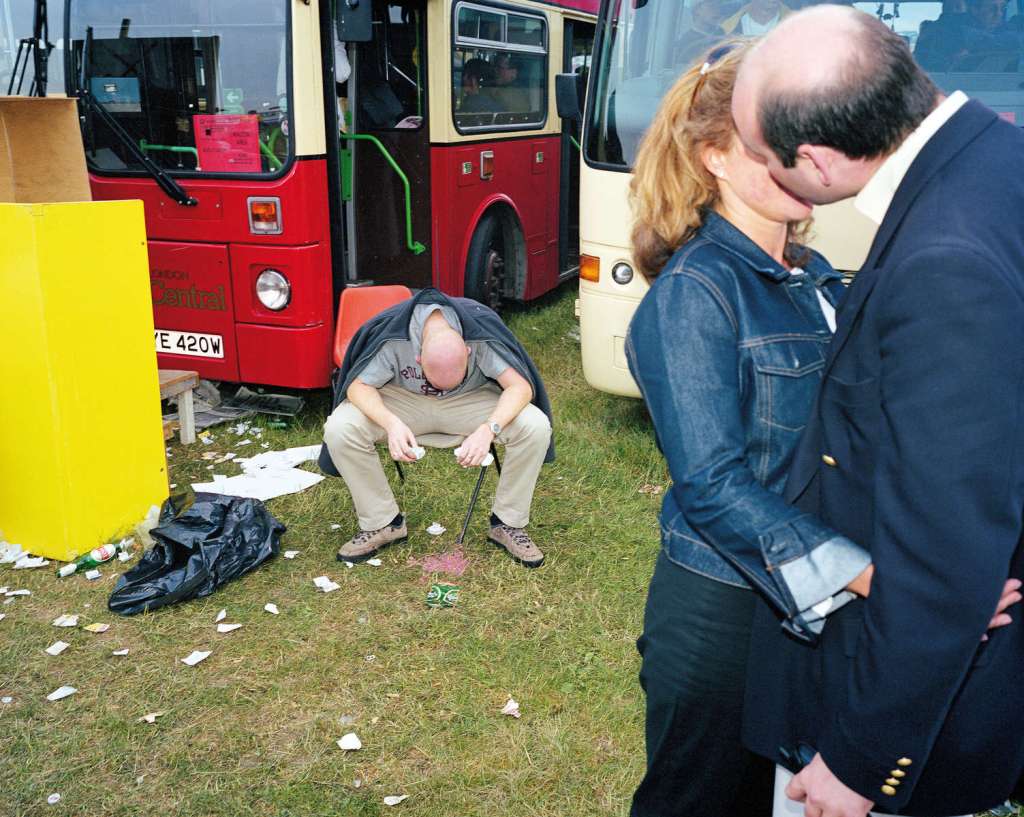
His book England Uncensored (2012)is described in the above article as a social commentary with a voice, Dench describes it the truth warts and all (Neon Sky Creative Media System, 2020). I was interested to read that it was his editor who pushed Dench to move away from his early pictures which are described as simply humorous.
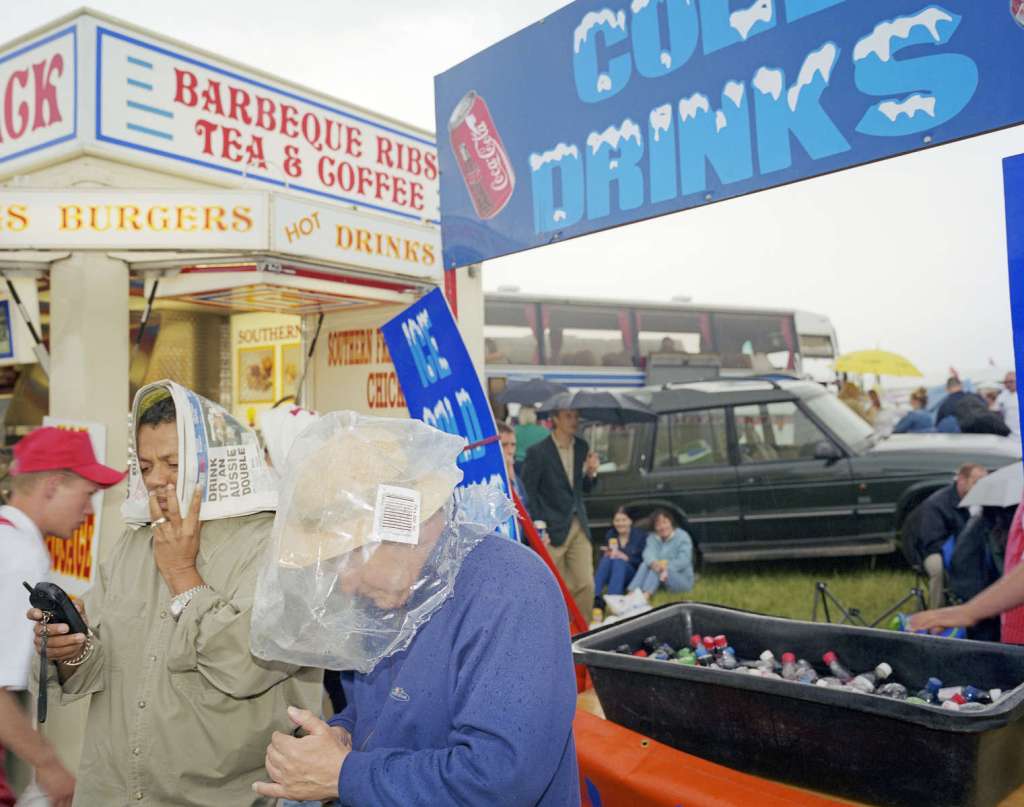
England uncensored (Neon Sky Creative Media System, 2020)
The success of his Drinking of England series encouraged him to to look for further social themes such as ethnicity, love, the weather, clothing and food. Dench believes he is documenting reality to preserve “the nations past” (Coomes, 2012).
The humour in his work comes from his upbringing by the sea and seaside humour; he recognises that pictures can’t be funny alone but should have an effect/message, Dench suggests this can be achieved by dropping images in between them that are different/serious/have impact. He thinks people respond favourably to his humour because most can identify with it.
In some of his work, in fact most if The English Uncensored I agree with his sentiments. I can see that most of his work follows the route of social commentary, though I think it lacks the conceptual nature of Parr, whose influence on his work he is open about. He also uses saturated images and flash in daylight but in a more “smash and grab” perhaps influenced by contemporary media photographers.
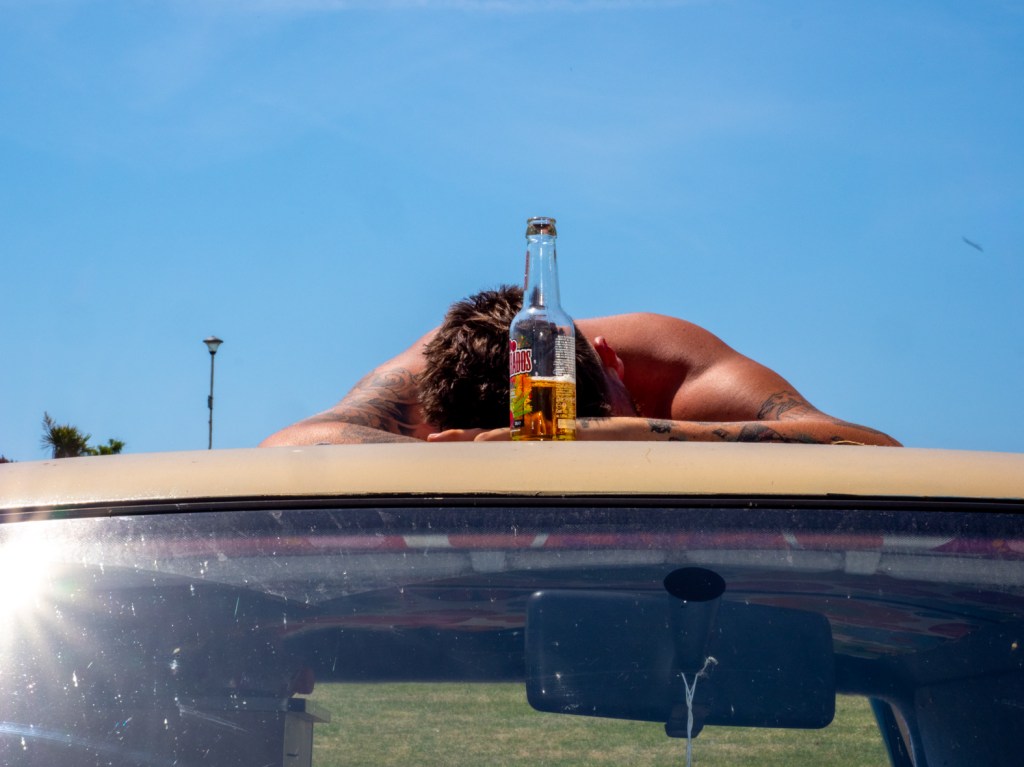
Whilst his approach works, selecting and presenting to us contemporary subjects isolated to highlight behaviour/situations, I do question his ethics in some of his work. In particular I find his series The English Summer Season (2019) and Alcohol and England (2014) contain images which are over-exposing and humiliating to individuals. Ethics is a difficult field but to my mind he presents some images where subjects though in public places, they were clearly not in possession of their faculties and are shown in compromising positions.
(Neon Sky Creative Media System, 2020)
Dench may argue that his pictures are honest and humorous, this may be so in the main however some I believe go beyond this and are potentially damaging to subjects and unnecessary.
Read the document ‘Martin Parr: Photographic Works 1971–2000’ by the National Museum of Photography, Film and Television. Core resources: Parr.pdf – It is disappointing that the images in the PDF are in black and white as Parr is so well know for his saturated colour images.
Watch an audio slide show of Martin Parr talking about his progression from B&W to colour photography and The Last Resort: http://www.youtube.com/watch?v=TJinAgBYaLs – Unfortunately this link doesn’t work due to copyright issues.
As the video link doesn’t work I have searched for places it is discussed. It seems that in the video Parr calls himself “A very big hypocrite” because the photograph he produces becomes a part of the thing he is preaching against, delightings in his own hypocrisy.
In this video Martin Parr acknowledges and defends what he calls the “hypocrisy and prejudice” in his work. What do you think about this statement? Write a short reflective commentary in your learning log. (Open College of the Arts, 2014:76).
Commentary:
Parrs work documents cultural peculiarities in society, he grew up in the post war years and saw many changes in consumerism and the class structure, including the emergence of the middle class. Suburbia is part of his upbringing, the dull sprawling mundane part of suburbia which fascinates him. It was suggested that his time living away from suburbia at Hebden Bridge was an attempt to find community that he’d been missing in suburbia; it is possible that this contrast opened his eyes to the surreal which is often not seen because of familiarity to things.
He says that when photographing Brighton he knew that he was exposing the hypocrisy of Thatcher’s Britain, “I like to create fiction out of reality” by taking societies natural prejudice and twisting it (Martin Parr: Objects of their affection, 2011). Parr is honest about his intentions. His priority is to make images that are entertaining and relate to peoples lives, but he does look for the surreal; humour is important.
Parr says that “to a certain extent all photography is exploitation” (Potter (2018). The Last resort (1985)was heavily criticised as being exploitive of working classes, and he says he was feeling rather guilty as he was flourishing as a photographer in Thatcher’ Britain which he disapproved of, and wanted to be fair to all classes. He hadn’t photographed the middle classes so he began a new project The Cost of Living (1985), and has followed this with projects on travel and parking spaces for instance; Parr is capturing and documenting the times we live in.
In everything that I’ve read of seen of him he does acknowledge the hypocrisy in his work, but I don’t think prejudice so much so; I think Parr believes himself now to be reasonably objective, merely showing us what he sees but in a colourful humorous way.
Follow the ‘Glossary’ link and look at the work of the photographers highlighted above and others. (Open College of the Arts, 2014:75).
This takes you to a history of Documentary photography and work we have mostly covered already in the coursework, John Grierson and the term documentary, Mass observation, independent photographers such as Bill Brandt, The Farm Security Administration, American Social landscape photgraphers such as Garry Winogrand. One area that I have yet to research are those such as Tony Ray-Jones, labelled here as the ‘snapshot aesthetic’, who portrayed subjects in a casual and objective way that allowed the viewer to interpret the work freely. I will research his work. in particular his book A Day Off (1974), which was a particular inspiration for the generation of documentary photographers who developed in the late 1970s and early 1980s.
You might find it useful to read the Arts Council document Changing Britain as a brief contextual background to Documentary Dilemmas. Core resources: ChangingBritain.pdf.
This is a publicity/information document about the history of the British Arts Council. It mentions many of the photographers that I’ve already covered putting them in context; these include Bill Brandt, Daniel Meadows, Paul Graham. And Martin Parr.
Do some independent research into the work of some or all of the photographers discussed in this project.
Compare and contrast the strategies that these photographers adopt in conveying a sense of local identity. Do you think this type of work is easier or harder if you come from the place that you’re documenting? Can you find any evidence for the view that ‘the same geographical space can be different places at the same time’? (Open College of the Arts, 2014:73).
Before starting on more in depth research I looked briefly at the work of Marco van Duyvendijk, Jens Olof Lasthein, Philip Cheung and David Goldblatt; from this I decided to expand my research on the photographers below to identify strategies used to convey sense of place and local identity.
Alex Webb– Istanbul: A city of a hundred names
Was born a raised in the USA and began as a photojournalist. He is best known for his colour photographs often in places with socio-political tensions. He has worked in many places the U.S.-Mexico border, Haiti, Istanbul, and a several U.S. cities. He says that his work is questioning, exploratory, and ambiguous (Alex Webb,2020, 1).
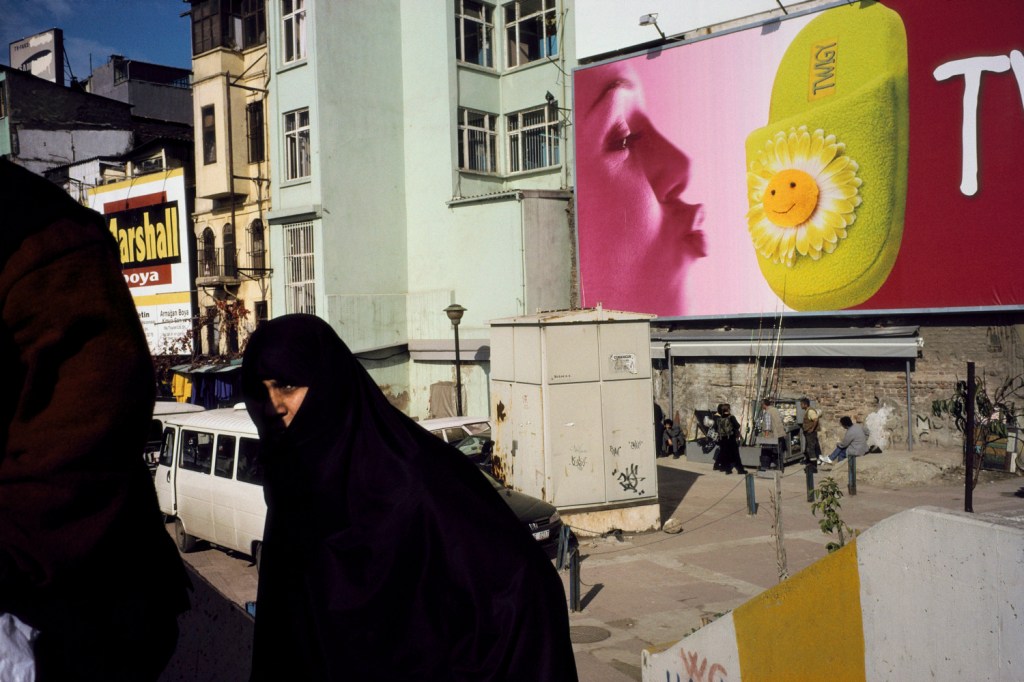
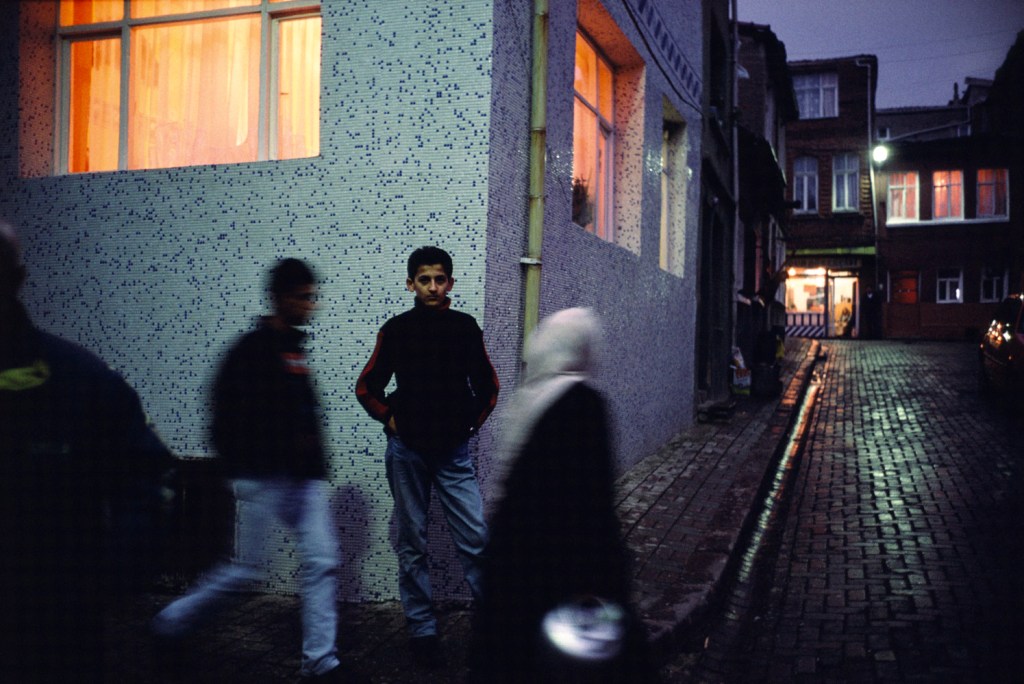
I have looked closely at his work “Istanbul: city of a hundred names” (2007), begun in 1998. Webb says “For thirty-some years as a photographer I have been intrigued by borders, places where cultures come together, sometimes easily, sometimes roughly”, Istanbul has certainly led a blended existence (Alex Webb 2,2020). In this work he definitely leans towards documentary art in a surrealist way, however he does give an everyday unposed pictures of everyday life there and exposes elements of their identity. Webb does through the colourful urban landscape address the history of the place, religion, politics and economy through the way people work and live.
TURKEY. Istanbul. 2001. View from a barbershop near Taksim Square.
TURKEY. Istanbul. 2001. Street scene in Ayvansaray.
TURKEY. Istanbul. 2004. Children playing in Cihangir.
(Alex Webb 2, 2020)
His strategy for conveying a sense of place and identity is very much in the style of street photography. He captures quickly, frames abruptly and uses colour to his advantage. It is his choice of subject matter that captures identity and place using this style.
Mikhael Subotzy- Beaufort West
Subottzy is South African born post-apartheid but his work is about the legacy of it. He moved into a showroom apartment called “future slick”, part of “Ponte” the regenerated tallest residential building in South Africa. With British Artist Patrick Waterhouse; he intended to document life in the tower before and after the transformation; Their work the book Ponte City, is described by Magnum as “An intimate social portrait of Johannesburg’s iconic Ponte City and its community of residents” (Ponte City (2018).
(Ponte City, 2018)
The work at first takes on an architectural style, but showcases the lives and identities there that the building is integral to. He uses a range of approaches, documents, design blueprints, and portraits to reinforce the connections of the people there. Subotzy photographed each of the 467 apartment doors, and the views from them, and also portraits in elevators, a good way of meeting people, often lit by the fluorescent lights of the elevator. These were both awkward and intimate portraits; later he photographed more intimately from within their homes.
S
(Ponte City, 2018)
Subotzy explains that the building represents the residents and those outside, and is a microcosm of the broader city. He describes how the “project was always about these stories, the mythology and the ideology were just containers that, while of course interesting in themselves, were a way of containing the project.” (Ponte City, 2018)
His earlier work Beaufort West, was of rural South Africa, where he combined characters and social landscapes. This town is along a great highway; it has a prison in the middle of the town which is what first caught his eye.
(Mikhael Subotzky archive, 2020)
His pictures also captured those living outside the prison, some who rotate in and out of it. Here again his images capture the peoples lives and the injustices,
(Mikhael Subotzky archive, 2020)
He obviously takes time to gain trust and understand and becomes close to his subjects and communities as the images are not critical or exploitative.
Marco Van DuyvenDijk
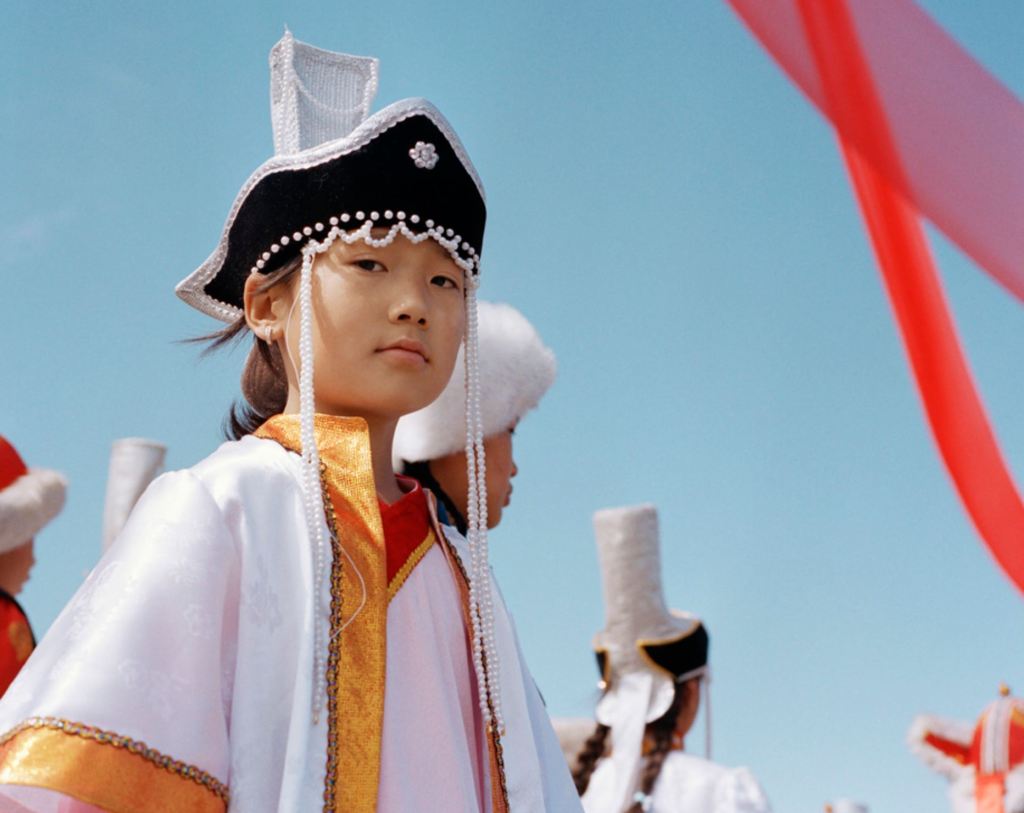
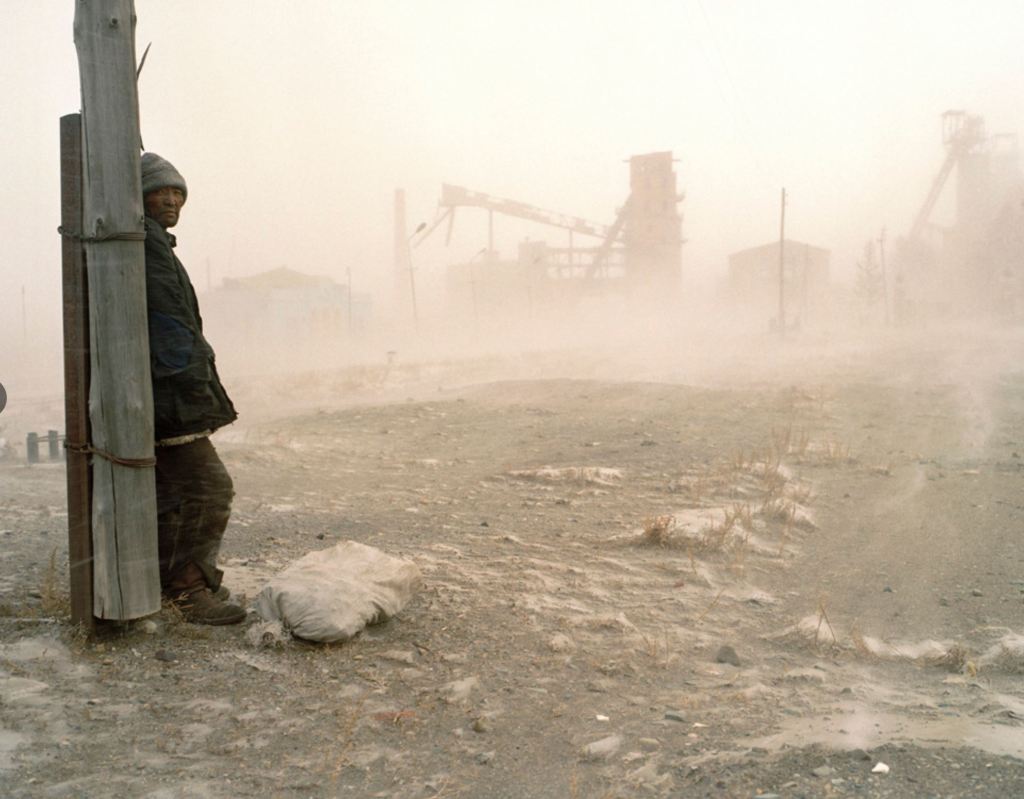
A Dutch photographer who has photographed many places worldwide, especially Children and young people, such as Rumania, Mongolia, China and Japan. His work shows tradition, change and contemporary elements. His work in Mongolia we are told in our course book was commissioned by the Mongolian consulate to document the nation’s shifting identity.
(Marco , 2020)
He says that he sees art, and his own photography, as a means of communication between East and West, however these images speak to me more of aesthetics than getting under the skin of the people who live in a place.
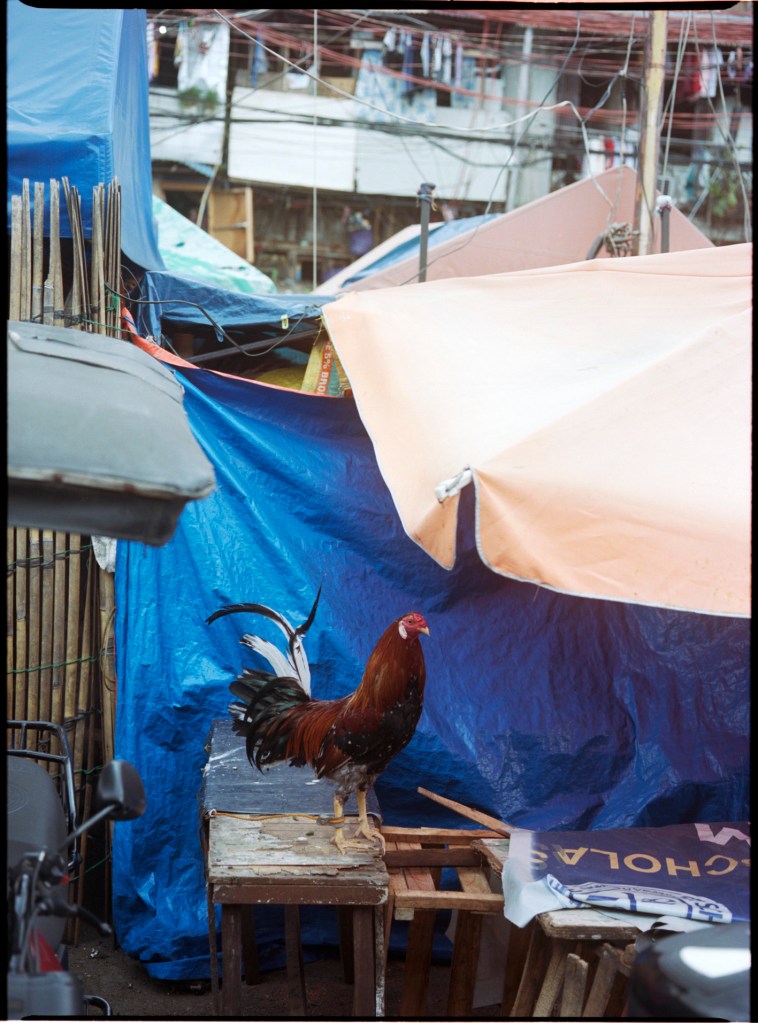
I chose also to review his images of Manila as it is a place and people I know well:
(Marco, 2020)
I can see in his images some stories of their everyday lives, however they appear to me more as a traveler’s photography rather than someone who has taken time to engage, gain trust and become intimate with their lives to portray their identity; maybe the outcomes of his work depends on whether it’s being commissioned for something in particular as his work in Mongolia was.
Reflections:
You would think that this type of work would be more effective if you come from the place you’re documenting. Subotzy and Webb get underneath the skin of their own countries; Van Duyvenduk doesn’t achieve this as effectively. To me it seems that capturing a sense of place is dependent not on whether a photographer is local or not, but gaining a shared understanding of place a people is dependent on sensitivity, patience and empathy as well as a great eye. Because of this I believe that the same geographical space can appear to be a different place at the same time, when represented by different photographers.
My learning:
This underlines the importance of taking time to really get to know a place before and when photographing.
Read the article on We English in Eight magazine (issue 25, summer 2009).Core resources: Foto8#25_WeEnglish.pdf . The full issue of the magazine is available to download at: http://issuu.com/foto8/docs/issue25
Write a short reflective commentary. (Open College of the Arts, 2014:70).
Reflection;
Roberts took a risk when he shot his self-funded work “Motherland” in Russia.
For “We English”He had a bursary and could focus specifically on “The English at play”, a contemporary look at the English.
Roberts explored visually relationships between place and people, showing the English interacting with the landscape and using their leisure time; landscape is intrinsic to leisure activities.
Roberts shows us a sense of British identity, which he was particularly interested in as it seems lacking compared to other nations.
The focus is on the Landscape and he deliberately only gave 1\3 of the frame to people; they are small but large enough to see their expressions.
In the images you can see conflict as public spaces are shared,boundaries and limits are shown: Edges of places, fences.
Roberts was influenced by his traditional English background, and childhood English landscape holidays but wanted to broaden his outlook.
He used his website to involve the audience, for instance asking people to suggest locations and events that he might shoot; this also built the future audience. It also put a marker down that he was doing this work to other photographers.
Roberts talks about the benefits of immersing in the work as he did it on one “road trip”.
Daniels talks about several ways of characterising the relationship between land and leisure: untamed countryside void of people, historical homely countryside scenes, documentary style with people – its seems Roberts has opted for the later.
Surveyor of a scene, birds eye view, elevated positions gave him a greater sense of their interactions.
Formal composition, the idea of the collective in the landscape.
Large format wanted viewer to get lost in.
Influenced by 16th century Dutch and Flemish Landscape painters.
Layers of history in his work, the now of the doing on the historical landscape.
Sought out things he thought of as quintessentially English.
Not only his perception but what it means to the audience.
Blog became a living archive.
Editing was chronological, others input was critical to “kill my darlings”.
Documented everyday signs of Englishness.
Work should be about now, not introspective.
By listening to him being interviewed I also learnt:
Consider different timeframes, current, past and future work; make as much as you can out of previous work.
Don’t wait for commissions, go out and try out your own ideas.
Things I could take into my assignment:
Consider the English interacting with their landscape
Consider the British identity
Decide how much of the frame I want to fill with people
Be a surveyor of the scene, take elevated positions
Read the interview with Cia Rinne on The Roma Journeys. Core resources: CiaRinne.pdf. Research and compare Koudelka’s Gypsies (https://www.youtube.com/watch?v=ltPZd9EeQyo) and Eskildsen’s The Roma Journeys. Discuss aspects to do with the photographer’s intention and the distinctive aesthetics and approach of each body of work. (Open College of the Arts, 2014:69).
Eskildsen and Rinnes’s The Roma Journeys (2007) and Koudelka’s Gypsies (1975) are both bodies of work about The Roma Gypsies,; it’s an interesting exercise to compare elements of them:
Their intentions:
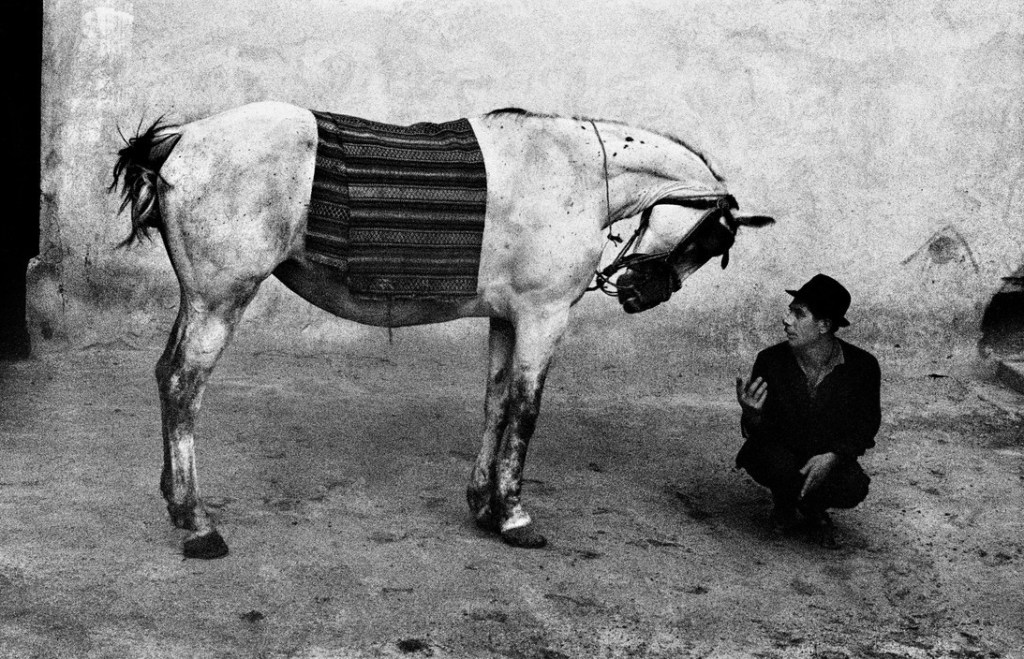
Koudelka was a Czechoslavakia, who left his country after producing photographs of the Soviet invasion in 1968. After this time he travelled and shot what interested him. This work has come together as a body of work since he photographed, he didn’t set out with the intention to publish a book or photo essay, it came together afterwards.
Eskildsen worked with a writer Rinne visiting seven countries to gain insights into the life of the Roma and the conditions they face, Hungary, Romania, India, Finland, Greece Russia France series; he set out with the intention to publish a photo book showing their lives and differences across their communities.
Their approach:
They were both long projects (six and nine years) shot across different countries, Koudelka covered Roma communities across Europe in Czechoslovakia, Romania, Hungary, France, and Spain. Both lived within the communities for a while.
Koudelka moved between the different villages sleeping outside, recording his encounters with individuals. He had an affinity with the people as he was also alienated and displaced from his homeland and had a theme of displacement “a defining reality of his own existence” (Josef Koudelka, 2017). This was at a time that the Roma’s were being pushed to assimilate into society and end their Nomadic lifestyle, they were resisting losing their identity; he identified with this as freedom was essential to him, including the freedom to do things in his own way (Josef Koudelka, 2017). Koudelka was helped he thinks by his love of their music which enabled him to bond with them.
Eskildsen also spent time with the communities, explained what he was doing and was helped by a female writer Rinne which may have helped him to communicate with them and access to the women in the communities. He was looking for the differences across their communities; he presents the images grouped into the countries they were shot in.
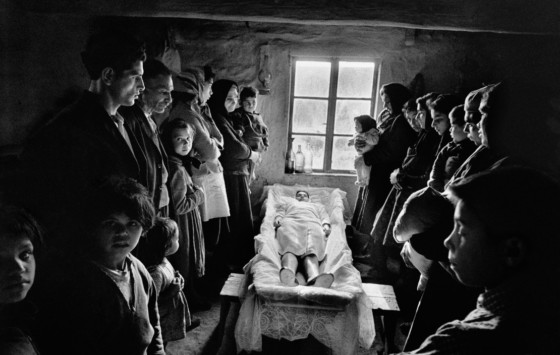
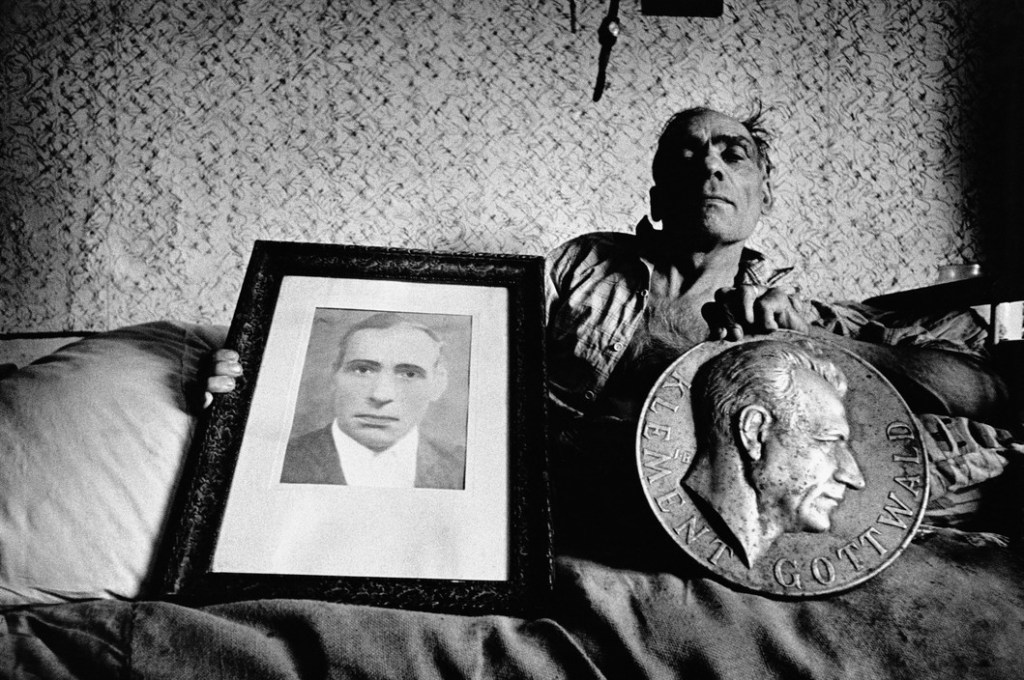
Gypsies includes more images of social gatherings, and ones that Koudelka seems to be in the middle of as well as plenty of interior shots with families; Roma Journey takes on more of a street photography style and is less intimate.
My thoughts on their aesthetics:
Gypsies was shot 40 years before Roma Journeys, and this accounts for some differences in the images such as backgrounds and the appearance of televisions cars and other modern elements. They both use a variety of perspective but more so Eskildsen, who also mixes photographs of different sizes. The framing is generally tighter on Koudelka’s work especially around the portraits.
Koudelka shot in the black and white of his time recording gritty, shadowy, grainy images in the traditional photo essay style and yet some of his images I feel were in a more modern black and white style with abrupt framing and dark tones. Eskildsen used the modern colour documentary style of photography, although I find it interesting that when you explore his work on his website he begins with a black and white shot and works his way to more saturated colour images; I wonder if he shot these in black and white initially? He also uses colour to an extent, to form cohesion to the work shown for each country.
ROMANIA. 1968.
CZECHOSLOVAKIS. 1963
CZECHOSLOVAKIA. Gypsy.
CZECHOSLOVAKIA. Kadan. 1963. Gypsies.
(Josef Koudelka, 2017)
Ru 2544.27 001
Fr 2246.10 001
In 1871.4 001
Hu 1550.6 001
Ru 2596.7 001
(Eskildsen, 2020)
Gypsies presents to me a more honest, insider view of the communities; I’m not saying that Roma Journeys isn’t honest, its just that looking at the images I feel that Koudelka gets under the skin of the people and presents the harsh reality of their lives face on. I suspect it is his background as a displaced person that enables him to do this so well; I can feel emotion in the pictures.
My Learning:
Consider presenting unsaturated to increasingly saturated images
Remember the value of taking time to get to know and gain respect from your subjects as well as the value of respect.
Go to: http://www.insight-visual.com/paul-exhibition.html and look at Paul Close’s environmental portraits. Analyse his visual style and consider whether the images work as documentary photographs and, if so, why. (Open College of the arts, 2014, 68).
Paul Close’s Environmental Portraits
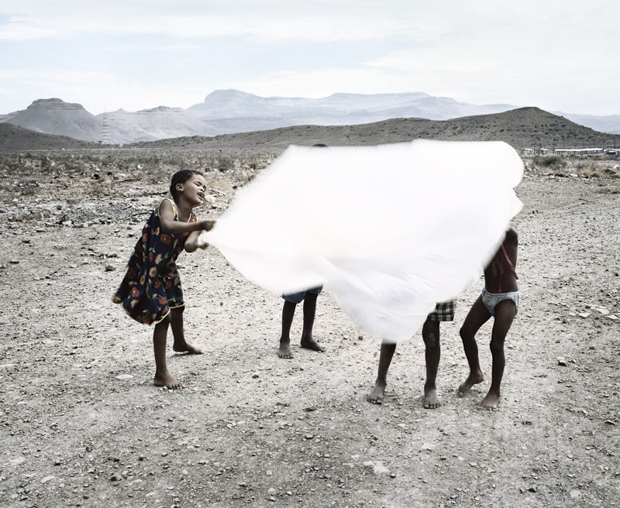
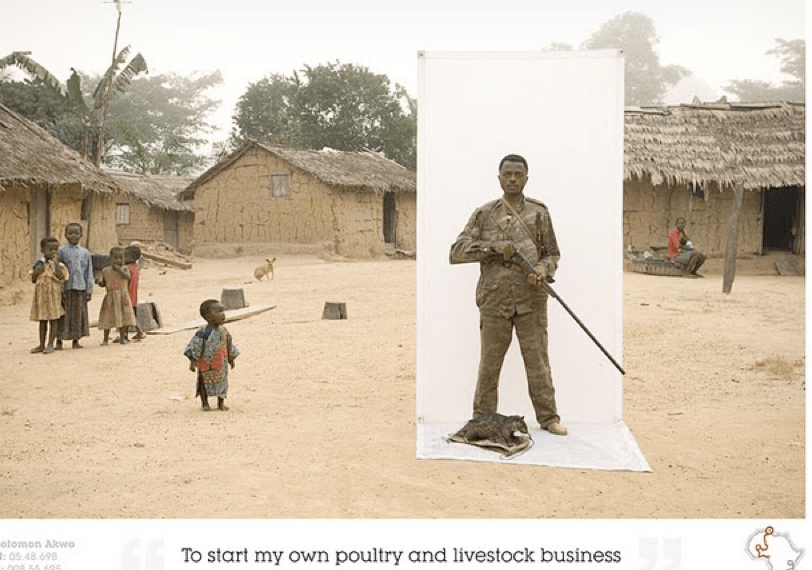
This project the Snakebox Odyssey is an exploration of people living in the Sahara. Close He photographed them against a white background, a sailcloth that he carried with him. Visually this is effective as it both frames them and separates them from their background, whilst leaving them in their context – a very interesting strategy. It remind me of August Sander’s “People of the 20th Century”. Visually I think Close’s use of colour gives the work more impact than if it had been shot in black and white
It could at this simple level have been a documentary of typologies or peoples, however Close asked each person he photographed as he travelled across Africa on his motor cycle “Is there one thing that could make your life better?” (Close, 2015). Conceptually the work then becomes more focused and interesting as we see individuals telling their own story as well as a series that shares the aspirations of these Africans with a wider world.
Close combines the images with captions, some, just words and some sentences; the texts add interest I think in particular as some are expressions of aspirations which from the context given you might expect, however some of the wishes they express would not be guessed from their photographs. It is interesting to see the contrasts between the simpler desires of subjects in more rural locations (some new clothes, have my own paddy, many camels, end to illness) to those in more built up places (to expand my business, my own petrol station, become a surgeon); it seems that everything is relative.
(Duckrabbit, 2009)
This series goes beyond “the tourist gaze”. Close provides the GPS coordinates and names of the subjects, with a map to give an idea of their location which adds to the authenticity of the work. It is real life, it appears honest, it is telling real stories and is sharing a message with an audience, it has been captured with a purpose. This is definitely documentary work.
Learning points
Work that is interesting both visually and conceptually has a good chance of success
Work that has impact, the possibility of effecting change or at least share a message is worthwhile.
A simple execution and concept can be very effective.
Read the first chapter of The Tourist Gaze. Core resources: Urry_TouristGaze.pdf Write a 200-word reflective commentary in your learning log about its relevance to documentary photography. (Open College of the Arts, 2014:67)
We were also directed to read Geographies of Tourist Photography (Larsen 2006). Here Larsen explores the roles of photography in tourism and how in tourism photography and place intersect; he asks how photography mediates tourism.
In His chapter in “The Tourist Gaze” Sociologist John Urry explores the image mediated way of seeing, as well as the imaginative views of tourist landscapes; he dates the birth of the “tourist gaze” to the same year that photography was invented (1839-1841). Urry calls the use of mobile photography, imaginative mobility, where these images become more important that the sight itself; indeed Larsen says that geographers now see photography as “world making”. It is certainly true that people go to locations to experience virtual places that have been idealised; in fact Larsen goes so far as to say that Tourist photography creates new realities.
I am particularly interested how Urry breaks down how the Tourist gaze is constructed:
Through anticipation and fantasy
Through signs
Directed towards landscape and townscape features
Though he questions the authenticity and the fickleness of the Tourist gaze.
He marks the Tourist gaze out as where there is a division between the ordinary/everyday and the extraordinary involving:
A unique object
Particular signs
Unfamiliar aspects
Ordinary aspects being undertaken by people in unusual contexts
Familiar tasks or activities in unusual visual environment
Seeing signs that indicate an ordinary object is in fact extraordinary
Day -dreaming or anticipation of different experiences
The Tourist Gaze is certainly relevant to documentary photography. Only by analysing the different components can images be directed towards to their intended audiences; these same elements could also form a list of what make a documentary image arresting. It may be that a documentary photograph is of something that is everyday or ordinary but interest is unlikely to be aroused in the image unless there is something that makes it extraordinary.
It is also important that when making documentary images that they are different from the idealised tourist mediated expectations of a place.; this is unlikely as documentary photographs ae usually founded on research and are likely to have a distinctive style and message.
My learning:
I’d not thought before about the tourist gaze, imaginative mobility, or that these images might create new realities. Its also been useful to me to breakdown that the tourist gaze is when there is a unique object, particular signs, unfamiliar aspects or contexts or anticipation of an experience. I wonder how this will apply to my assignment 3? Have I the tourist or photographer’s gaze?
Choose a topic that interests you and produce a small portfolio of five colour images in a surrealist style. Share your portfolio with the OCA communities in OCA/student and ask fellow students to comment. (Open College of the Arts, 2014:66).
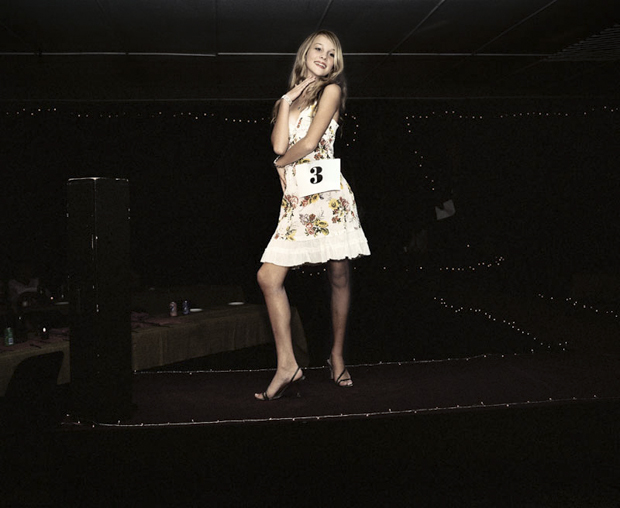
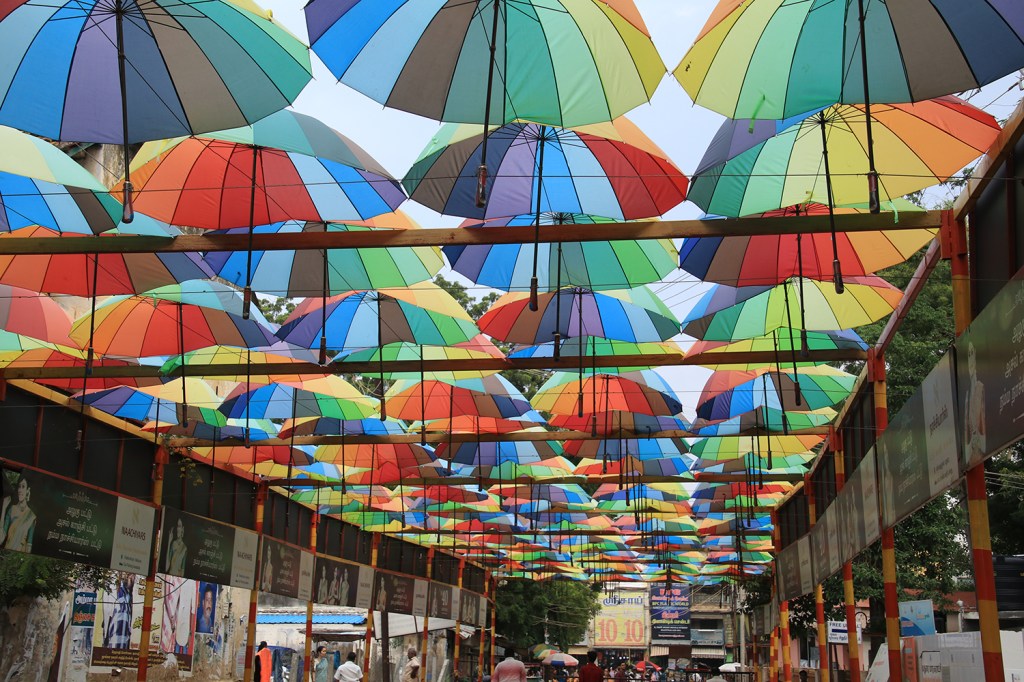
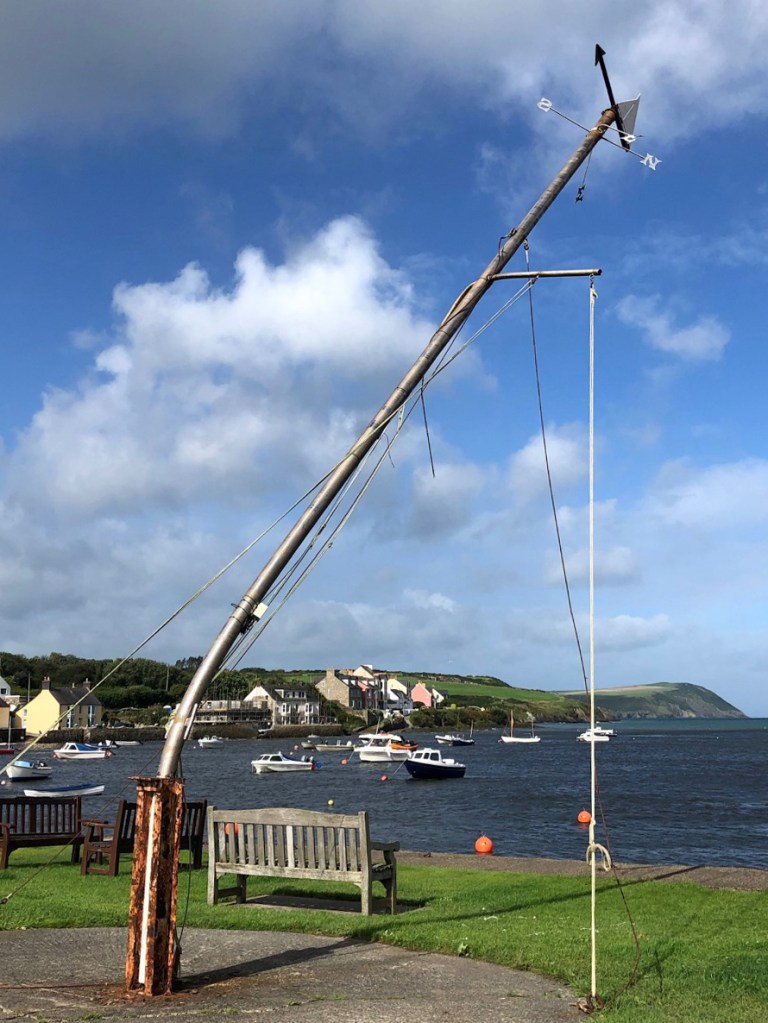
These were the images that I shared with my peers, they are all personal images that I already had; but I’ve brought them together as I thought they were all surreal to varying extents and was interested to see what others thought:
These are the comments that I received:
Consenus was that images 1 and 4 though good shot s are the least surreal.
Image 2 and 5 were found to be surreal to a degree and humorous
Opinion was varied on image 2
My conclusion is that context ahs something to do with surreality. Image 3 was thought by all to be surreal but because I know the context it seems the least surreal to me!
Before you start this exercise visit Peter Dench’s website www.peterdench.com. Analyse Dench’s style, looking particularly at his use of surrealism.How effective is surrealism as a visual and conceptual strategy in Dench’s documentary photography? (Open College of the Arts, 2014: 66)
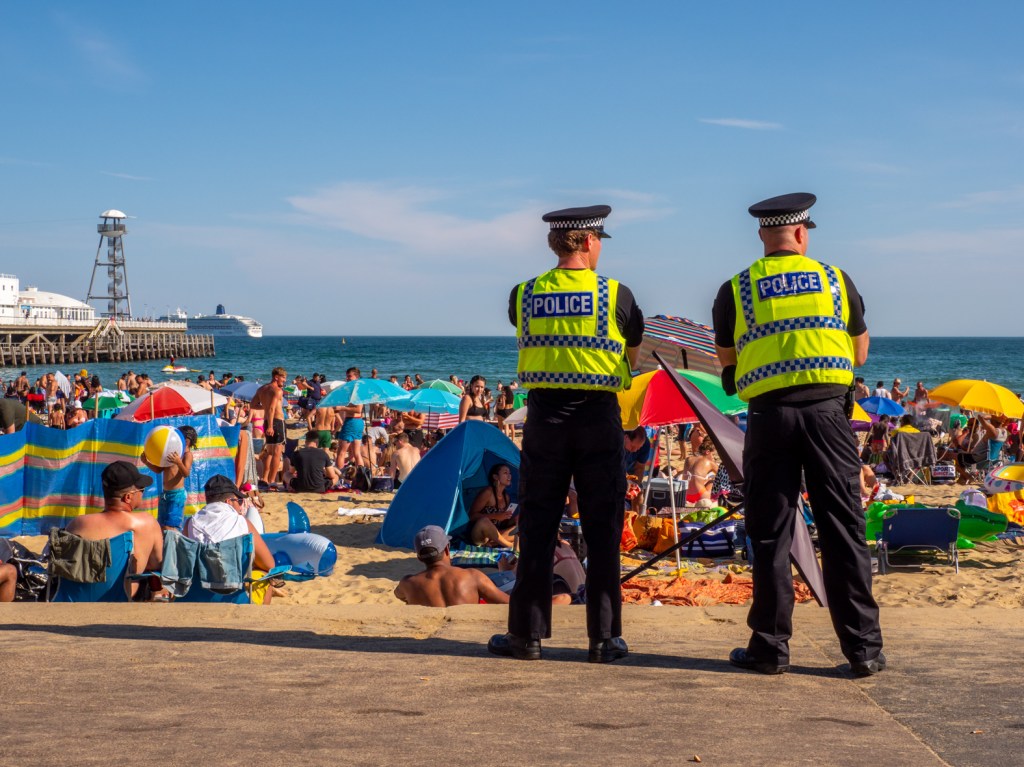
I have explored Peter Denche’s work on his website which is predominantly highly saturated; both visually and conceptually surrealism seems to be central to his style, as is the subject of the English and Englishness.
In his work Sun Sea and Covid-19 (2020) he utilises the Surrealist elements of:
Juxtaposition
Juxtaposition
Ridicule
Humour
The bizarre
And similarly in his work Alcohol and England (2016, comissioned by the Sunday Times Magazine) he uses:
Juxtapostion
Juxtapostion
Ridicule
(Neon Sky Creative Media System, 2020)
In this series he starts rather gently but moves quickly onto sad and seedier situations which he does not flinch from representing honestly.
Rather like Parr he highlights elements of Britishness, but in a very “in your face way”. The highly saturated colours in his work both draw you to it and jolt your senses, rather like some of the subject matter. I find his use of surrealism effective but rather irreverent and obvious.
After writing this I listened to an interview with him and this helped me to understand his work style better:
Told that photojournalists should have an idea and then find material for it; he disagrees with this preferring to have an rough idea but developing work as he finds it.
When working on a long term project he breaks it down into themes such as alcoholism, weather, love…
He has produced 3 books in 11 months and at the point of the interview was finishing off all lose ends and taking time to decide what projects he wants to do in his next few years.
His work has been influenced by the locality where he grew up, where poverty alcoholism and so forth were obvious.
He talked of the importance of “blending” when photographing and consequently as he gets older his subject matter is changing.
The humour in his work comes from his upbringing by the sea and seaside humour; he recognises that pictures can’t be funny alone but should have an effect/message; he believes this can be achieved by dropping images in between them that are different/serious/have impact. He beieves that people respond favorably to his humour because most can identify with it.
Dench believes that honesty is important in photography and helps to interest people.
His work uses surrealism and colour in a very effective way but I don’t identify with all of his humour and find some of of his images too harsh.
My learning:
Think about themes when developing a long term project
Acknowledge the influence of your upbringing and/or locality
















 Photography 2: Documentary