Creative Photography: Behind the Image – Research in Photography (Fox and Caruana, 2012)
We were directed to read this in preparation for assignment 5 and the project proposal- here are my notes on chapters 1 and 2
CHAPTER 1: PLANNING
Introduction: What is research in photography? It is part of the photographic process. It can be through: investigating histories and theories of photography, observing the world, reading and listening, debating, and reflection.
You can trace how a project as evolved by asking: How did the work start? Influences? What was happening in the world at the time?
Recording the research process enables critical reflection and evaluation.
You may bring your unique vision to a project, nothing is completely new, make a draft plan for research:
- Record where the initial ideas came from: overheard and direct conversations, memory, reading, music, facebook
- Return to these areas for further research – do not self-censor possibilities.
- Draw up a plan to navigate the options I have ahead of me.
The plan is a guide only to translate ideas into photographs.
RESEARCH PROPOSALS
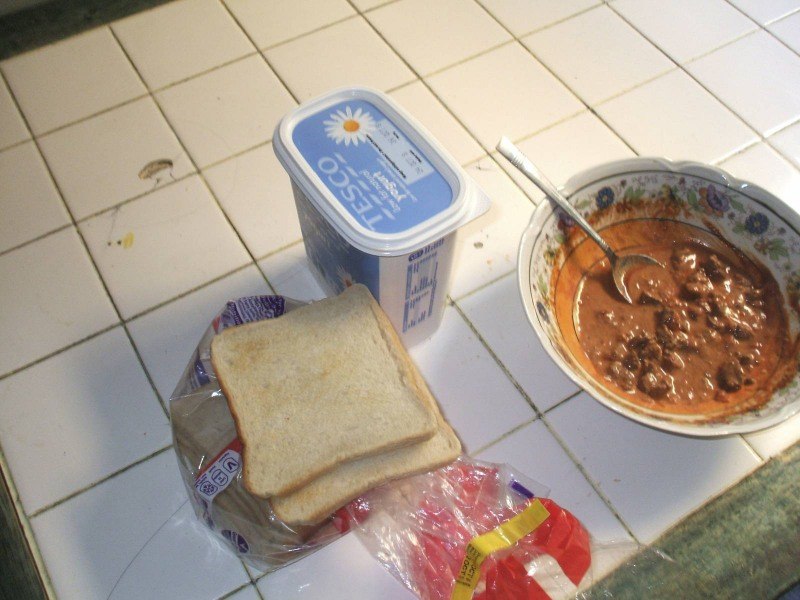
- The title or working title: Summarise the work to be done to make the project happen. Mine is layers of meaning, stupidity, double meanings.
- Topic/theme: 2/3 paragraphs giving the key details of the project. Be positive and enthusiastic. How do I intend to approach the photography and expect the project to develop?
- Audience: Exhibition, publication, public artwork, picture essay for a magazine…Consider how each context might give the work a different meaning.
- Approach and methods: Practical methods, technical aspects, mediums, platforms, collaboration, methods of research.
- Access: to location, understanding the law.
- Proposals for funding: potential sources will ask for written proposal (coherent vision, clear story, aesthetic and technical competency)- Less is more. If asked to write a project summary it may be used for publicity, so consider how it might look on social media platforms; it will need to encourage viewers to read on.
- Timetable and budget: be realistic.
- Proposed research references: A list helps a proposal reader to understand the scope/ambition of the project, include:
- Photographers/artists, links to working methods, references to fiction, music, film and theoretical debate if applicable.
- Investigate histories, to help understand why bodies of work were made, also look at the political and social period and possibly obituaries.
- Investigate a photographer’s history, projects and websites to gauge their relevancy.
- Talks and lectures, magazines, journals, books and wider reading
- Make notes and mind maps.
CHAPTER 2: DEVELOPING IDEAS THROUGH RESEARCH
Where to research:
- Libraries, Museums (often have photography collections), Galleries, talks and events.
- Internet research: bookmarking and search engines – share ideas with peers
- Blogs: check out RSS (really simple syndication) enables you to access all blogs from one page from a list.
- Social media
- Archives
- History
- Vernacular (everyday) photography
- Lectures
- Interviews
- Reading,
- Listening: share, be open to feedback
Review the project frequently.
Establish own research framework through own practice.
This was very useful to me when forming my project proposal
Reference:
Fox, A. and Caruana, N. (2012) Basics Creative Photography 03: Behind the Image: Research in Photography. (s.l.): A&C Black.
Next Post: https://nkssite5.photo.blog/category/research/a5-research/a5-additional-research/allan-sekula/



 Photography 2: Documentary