SOCIALLY COMMITTED B&W PHOTOGRAPHERS
Do your own research into the work of the socially committed B&W photographers discussed so far, both British (Exit Photography Group, Chris Killip, Nick Danziger, Bill Brandt) and American (Jacob Riis, Lewis Hine). Was this social documentary work their prime focus? How does it fit with other work done by these photographers? Make notes in your learning log or blog. (Open College of the Arts, 2014:34)
As I have previously researched the Exit Photography Group: https://nkssite5.photo.blog/category/coursework/part-2-the-bw-legacy/project-legacy-for-social-change/exercise-2-2-survival-programes/
and some of Bill Brandt’s work https://nkssite5.photo.blog/category/exercise-2-3-brandt/
which I add to a little here. Then I will look at those I’ve not researched before……
BILL BRANDT (1904-1983)
He had a multifaceted carer, shaped initially by a circle of friends in the surrealist movement in France, including spending time in the studio of Man Ray; he later moved into fine art photography.
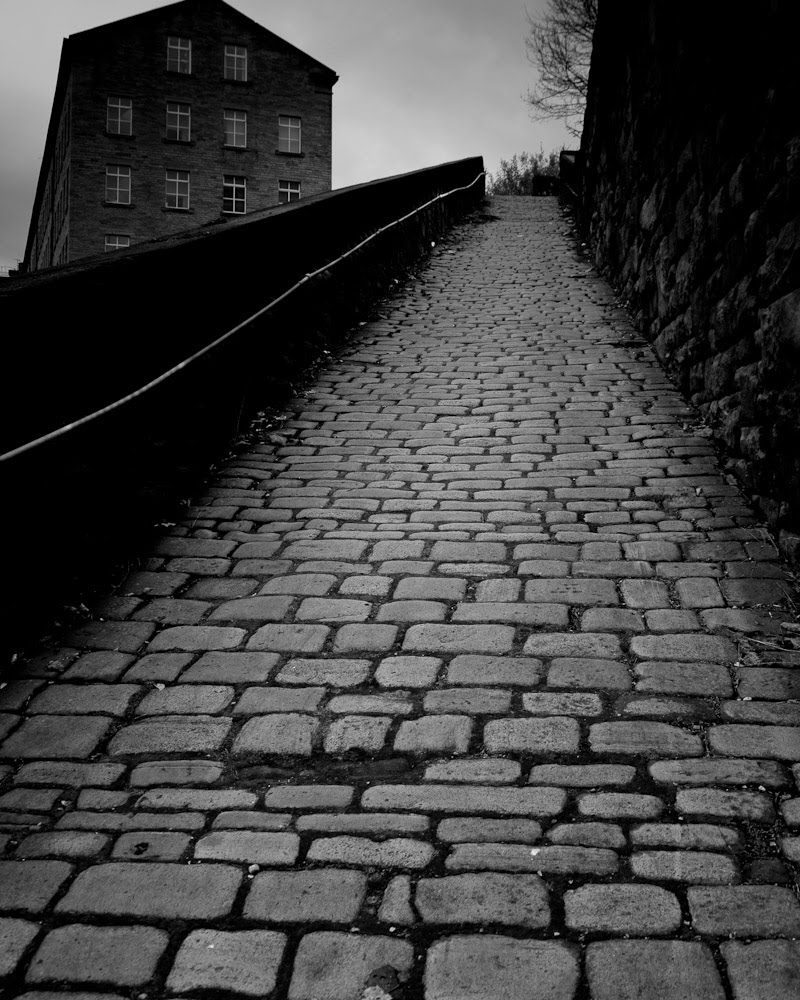
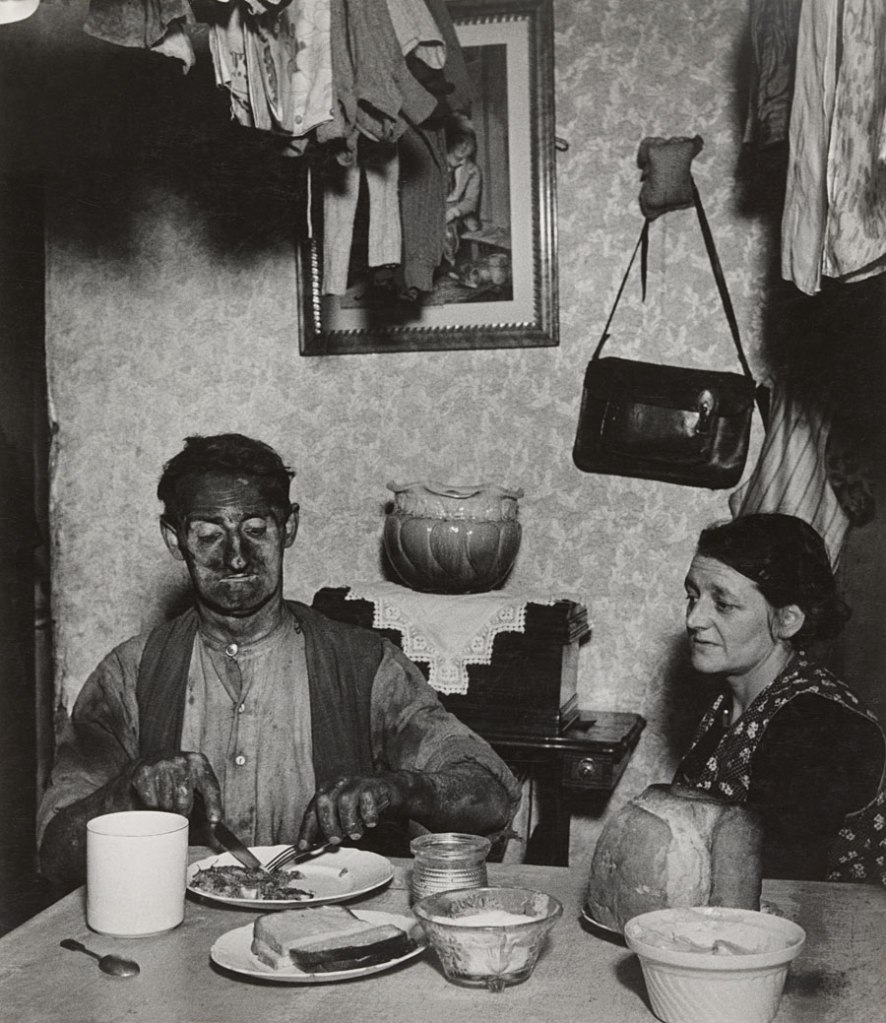
His work The English at Home exposed ironies in the British Class system (Johnson, 2012) and his book A Night in London also looks at the British class system. Brandt also photographed the depression compassionately in the North, especially the miners in Northumberland:
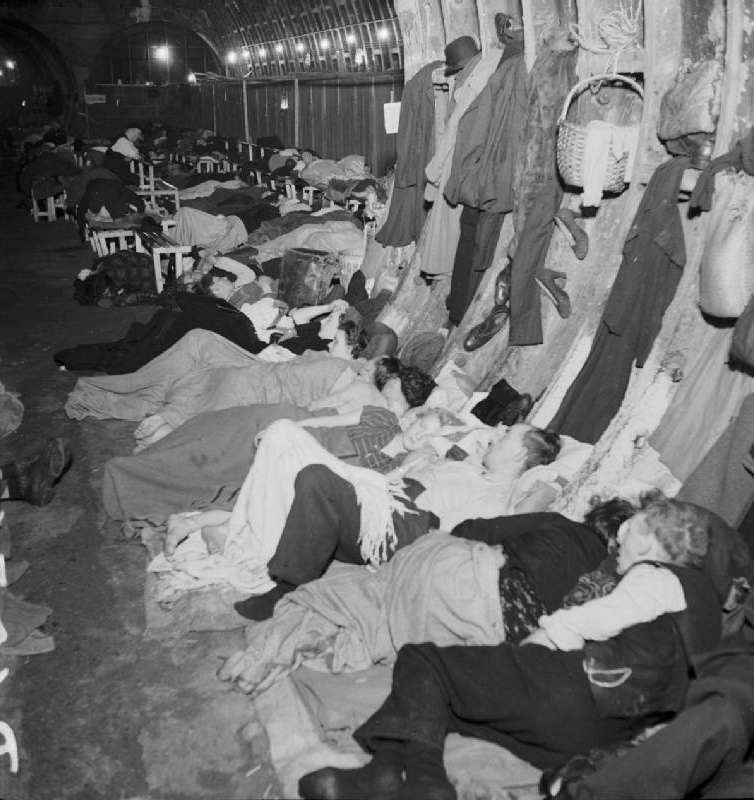
He was commissioned to take photographs of the many underground bomb shelters during the second World War:
After WW2 he investigated themes portraying poetic sensibilities displayed in contemporary art photography and as he increasingly arranged things for the camera, he took the nude from the studio and placed in domestic situations , even on the beaches of England and France. He used a wide angle camera lens so that he could photograph whole rooms; and was recommended one but he found that it distorted and the images of distorted abstract nudes came from this accident, he describes them as abstract sculpture. His surrealist abstract photographs were not popular at the time but are now. He describes some of them as lucky finds but I believe it is down to his eye.


nude Hampstead London 1952 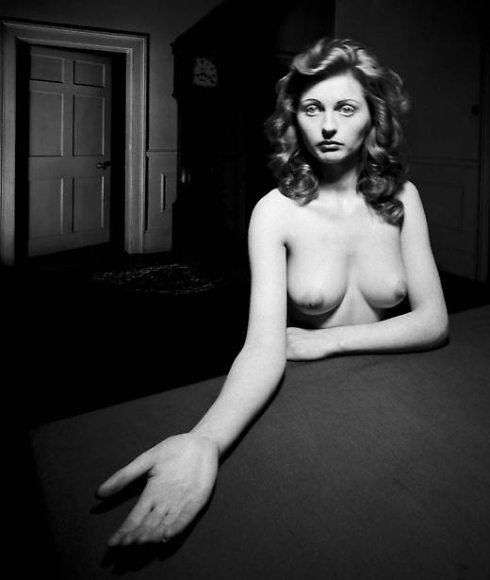
Nude Micheldever Hampshire 1948
(Bill Brandt, 2020)
However despite his photographs of the Depression and social class, I’m not convinced that his work went beyond the artistic portrayal of their sooty blackened bodies and wouldn’t label him as socially committed.
Chris Killip (b1946)
Photographed the heavily industrialised areas of the north during the 1972 and 80s, steel works, shipyards and coal mines; these were published in his book “In Flagrante” (1988). He spent a long time in a place whilst photographing, sometimes years, often in closed communities, but not always of those he knew. He says his photographs changed as he got to know people. He says “history is written, my pictures ae what happened” ( Smyth, 2017) ). Killip says that he was interested in recording people as part of history rather than to blame politicians. He seems to me to be a socially committed photographer as he portrays in an unromantic straightforward way what he sees and knows from learning about a place and people.
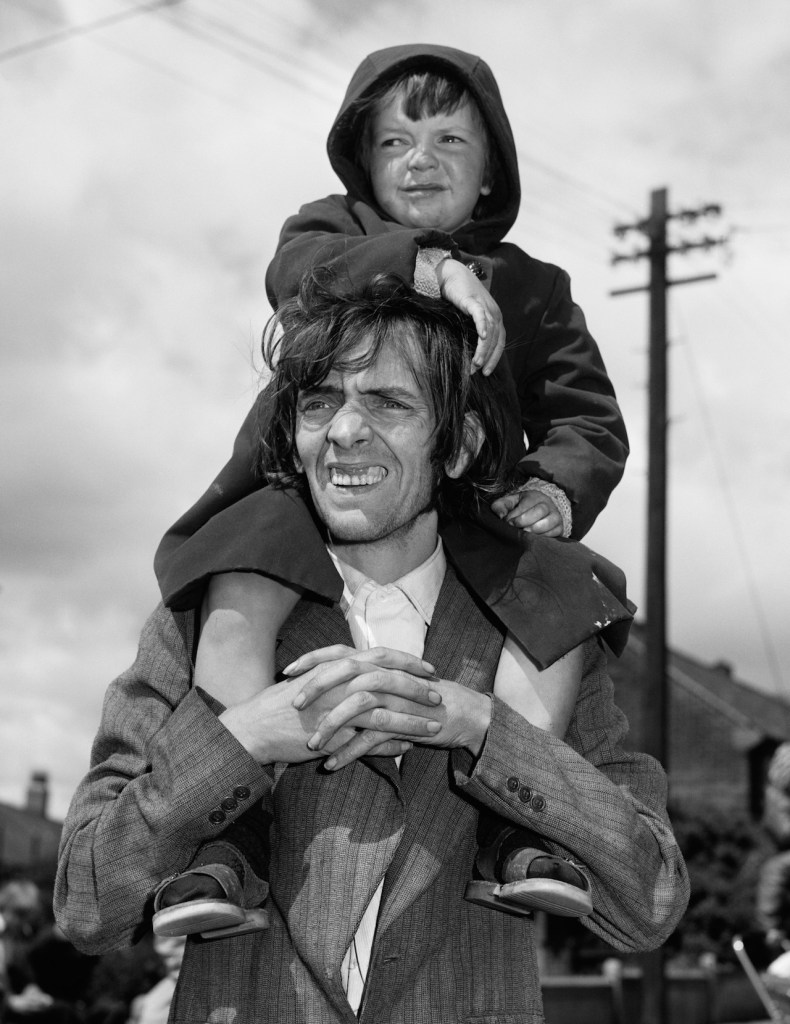
Father and Son Watching a Parade, West End, Newcastle; Chris Killip (British, born 1946); Newcastle, England; negative 1980; print 1986; Gelatin silver print; 34.7 × 26.5 cm (13 11/16 × 10 7/16 in.); 2014.36.22 
Youth on Wall, Jarrow, Tyneside; Chris Killip (British, born 1946); England; negative 1976; print 1986; Gelatin silver print; 27.5 × 34.1 cm (10 13/16 × 13 7/16 in.); 2014.36.14
(Smyth, 2017)
Nick Danziger (b1958)
Danziger’s Britain was published in 1996, it focused on under privileged members of society; he lived among the homeless and unemployed in many of the ruined manufacturing “no-go” areas of Scotland, Wales, Northern Ireland and England where he slowly won the trust of the street children and got to hear the stories of hundreds of society’s outsiders; it was a powerful and disturbing documentary.
The British (2001) contrasted the worlds of the upper and under class, showing the inequalities and polarisation in the upper and underclass; a vivid portrayal. In 2003 Danziger travelled with Times editor Peter Stothard for a month to document visually the Prime minister Tony Blair; here President George W. Bush and Blair make eye contact as if both are looking into a mirror, taken the day before American troops had entered Baghdad, this was an important document of history.

He establishes close relations to his subjects, though not impartial; however he does aim to give those who rarely feature in the media a voice. He believes that photography can bring positive social change for individuals and local communities.
He has done much of his work abroad often in war torn places, recording the ordinary people caught up in the conflicts; here you can see his social commitment.
References:
Bill Brandt (2020) At: https://www.houkgallery.com/exhibitions/bill-brandt-the-nude-a-centenary-exhibition?view=slider (Accessed 19/05/2020).
Bill Brandt | The Nude: A Centenary Exhibition – Exhibitions – Edwynn Houk Gallery (2020)
Bunyan, D. M. (2020) Bill Brandt Packaging Post for the War – Art Blart. At: https://artblart.com/tag/bill-brandt-packaging-post-for-the-war/ (Accessed 19/05/2020).
Johnson, W. et al. (2012) A History of Photography: From 1839 to the Present. Taschen.
Nick Danziger | Widewalls (2020) At: https://www.widewalls.ch/artists/nick-danziger (Accessed 06/07/2020).
PhotoVoice (2016) Ten Questions with… Nick Danziger – Ethical photography for social change | PhotoVoice. At: https://photovoice.org/10-questions-with-nick-danziger/ (Accessed 06/07/2020).
Rob Hooley (2013) Bill Brandt BBC Master Photographers (1983). At: https://www.youtube.com/watch?v=o3KuY0quBsk (Accessed 19/05/2020).
Smyth, D. (2017) Now Then: Chris Killip and the Making of In Flagrante. At: https://www.bjp-online.com/2017/06/now-then-chris-killip-and-the-making-of-in-flagrante/ (Accessed 06/07/2020).
 Photography 2: Documentary