1854 PRESENTS IN CONVERSATION WITH MARTIN PARR 21.4.21
Martin Parr in conversation with Simon Bainbridge British Journal of Photography Editorial Director in 4th week of lockdown. This was a live stream event set up to discuss photo books and how to create meaningful work amidst social isolation.
I saw some of hIs work first hand recently at the National museum Cardiff , his show “Martin Parr in Wales“.
Here though his work focused just on images taken of Wales I was able to see his usual focus on the ordinary but quirky found in local cultures shown in garish colours; he shared his familiar themes of leisure and food, bingo, including beach scenes, local shows along with some images of miners. I recall him commenting there that I also recall him saying at his exhibition that he likes to give order to chaos in his photographs
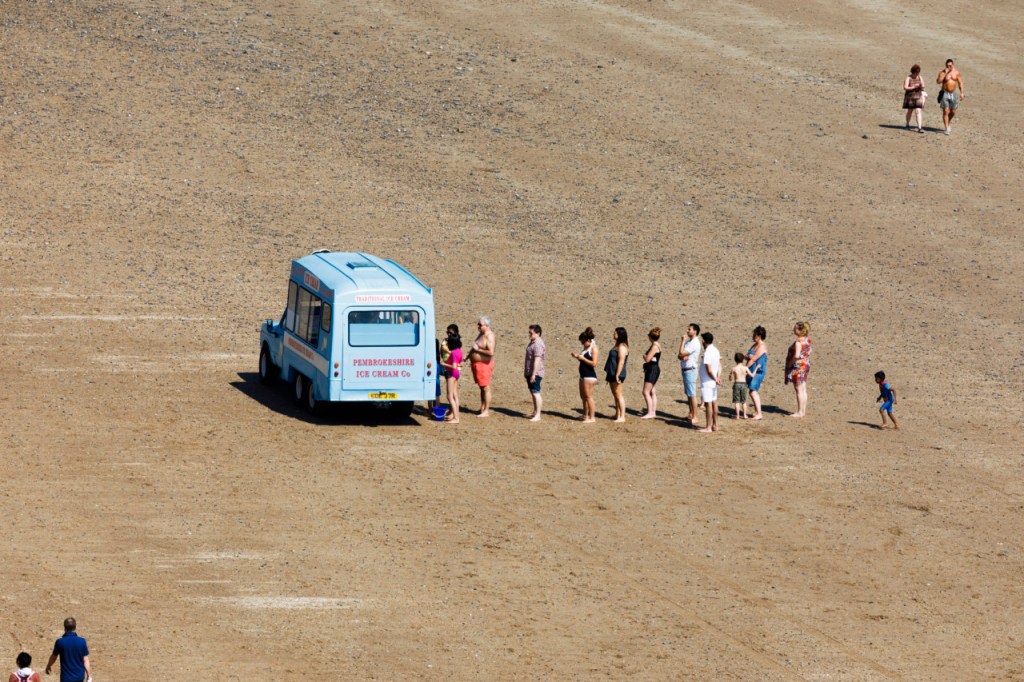
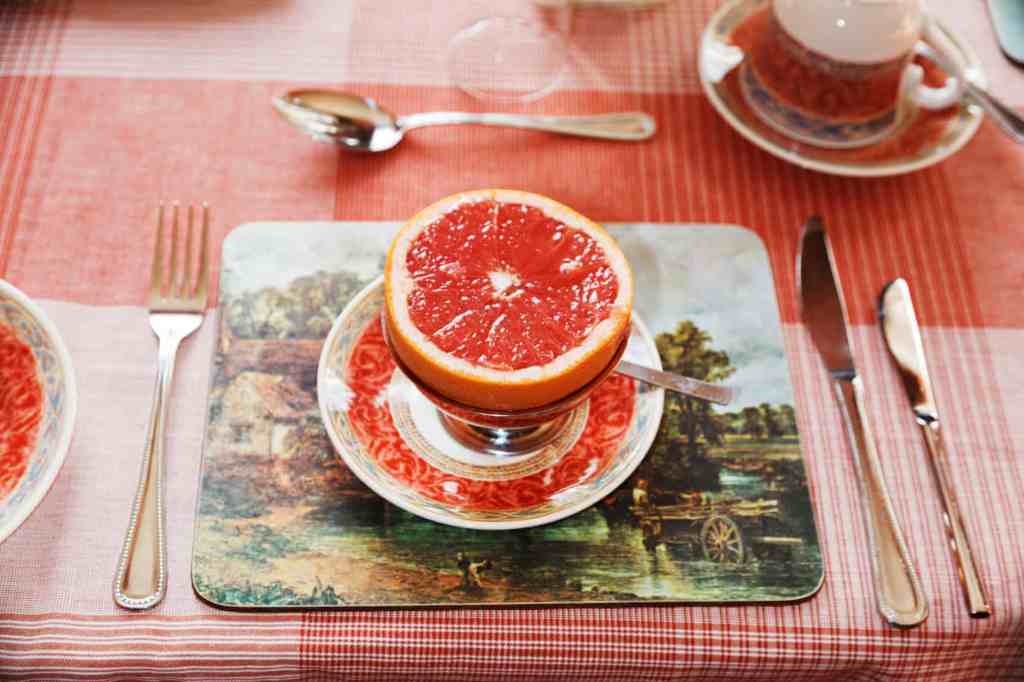
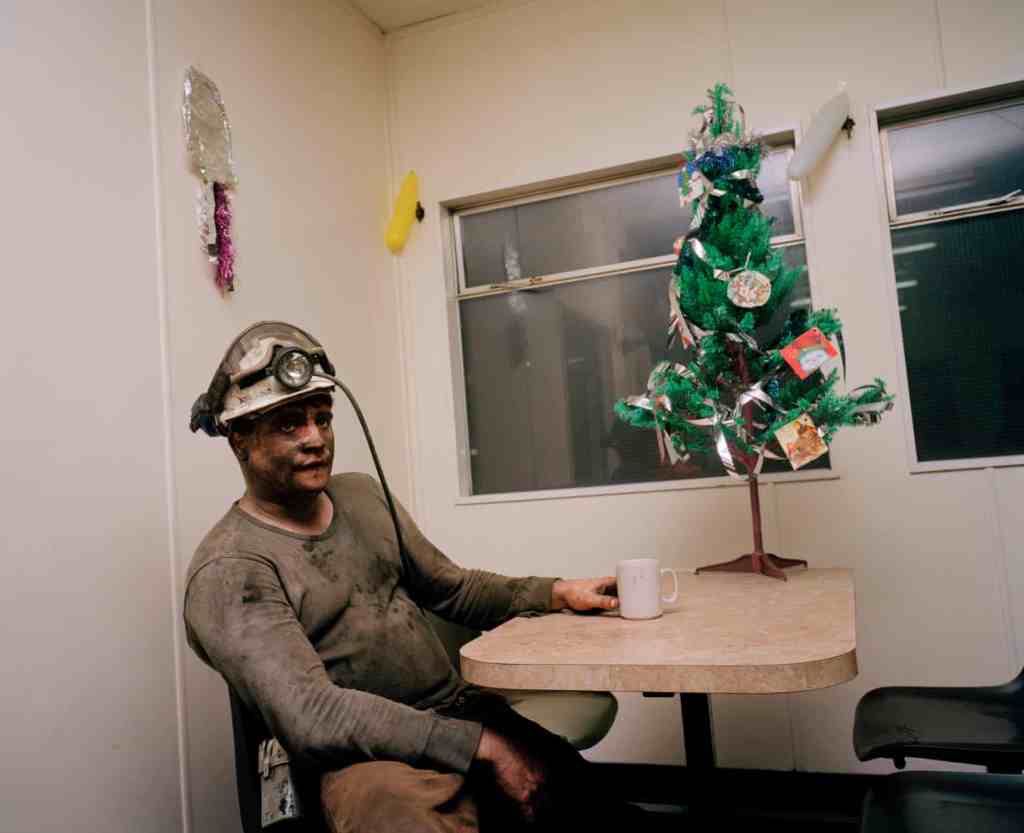
In this conversation Parr reveals he has been using telephotos on beaches the past 5 years which he called beach therapy (his experimental lab), instead of a macro lens he used previously.
Q: What would you like to be seen as your legacy? “The last resort (2009) and “Common sense” (1999) and the Martin Parr foundation.
Q: You came out of the Thatcher era, what was the influence of this? the colour school of photography took off and the world of independent photography came through. The opening of the Photographers gallery in 1971 was very important, this was the first photography gallery
Q: How is lockdown affecting your work? Is it important to keep photographing? Yes of course but a challenge. The Marin Parr Instagram foundation has set challenges for photographer. Parr suggests obviously photographing at home and is currently doing a bird table challenge himself. He suggest we should consider whether it make people more or less interested in documentary photography? People may want to escape into a different world.
Q: How do you think changes in travel habits will impact on your work? Parr is happy photographing in the UK and he can express his love/hate relationship through the ambiguity in his photographs.
Q: Simon asked him about the challenges of photographing locally. Yes there is virtue in the challenge of photographing locally rather than strangers.
Q: Can you share work that you have: Larry Saltern “Pictures from home”.
Q: Tell us about your book “Sign of the times” (1992): An exploration of people’s taste and middle class expose rather like “The cost of living” (1999).
Q: What pictures do you have on your walls? Chris Killip print of Father and son.
Q: Are we at peak photography? It may be more difficult to earn a living but you don’t have to earn a living to appreciate photography.
Q: What happens if someone objects to a photo? It’s an occupational challenge
Q: What are your thoughts about this generation of photgraphers? The diversity, energy and brilliance as it is difficult to invent the new. He admires Steven Gill’s The pillar, a compelling simplicity.
Key things I took away from this:
- “It is the subjectivity rather than the subject matter that is important in photography”.
- His suggestion that the challenge of photographing locally, rather than strangers is good.
- “you don’t have to earn a living to appreciate photography” something I’ve been telling my husband for years.
I must watch out for:
He is working on a festival concept for Bristol next spring (May?) where many venues will be showing photography at once.
He is planning a photography book festival in October, though it may be moved to the spring.
Reference:
Moss, S. (2019) ‘Martin Parr’s 40 years in the life of Wales: ‘Let’s face it – people are funny’’ In: The Guardian 14/10/2019 At: http://www.theguardian.com/artanddesign/2019/oct/14/martin-parr-photos-wales-national-museum-cardiff (Accessed 03/05/2020).(Moss, 2019)
 Photography 2: Documentary