Choose a topic that interests you and produce a small portfolio of five colour images in a surrealist style. Share your portfolio with the OCA communities in OCA/student and ask fellow students to comment. (Open College of the Arts, 2014:66).
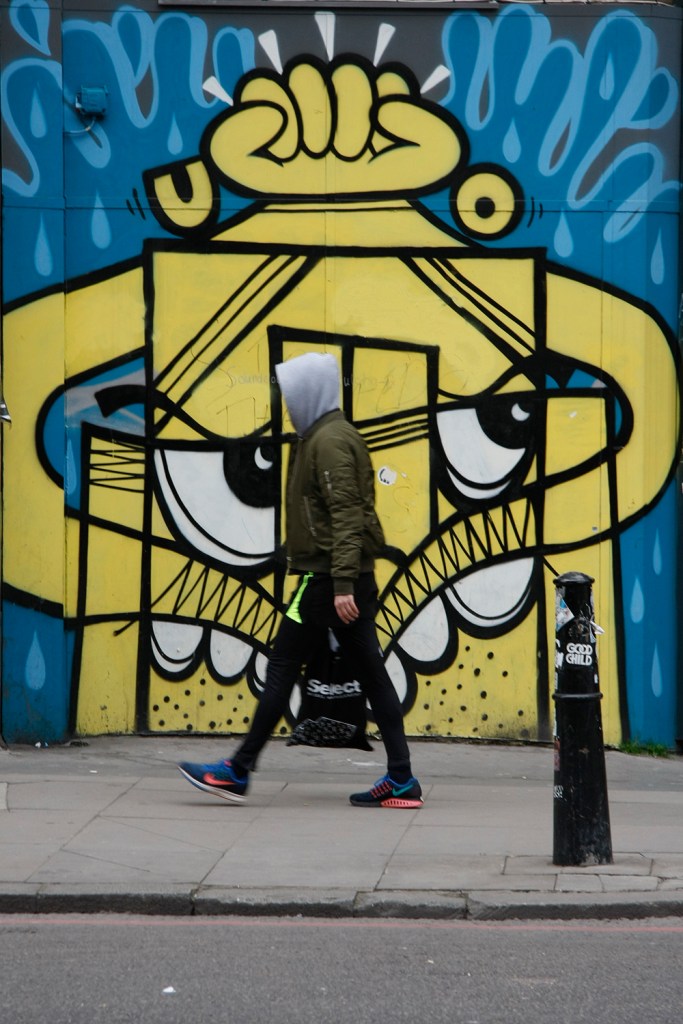
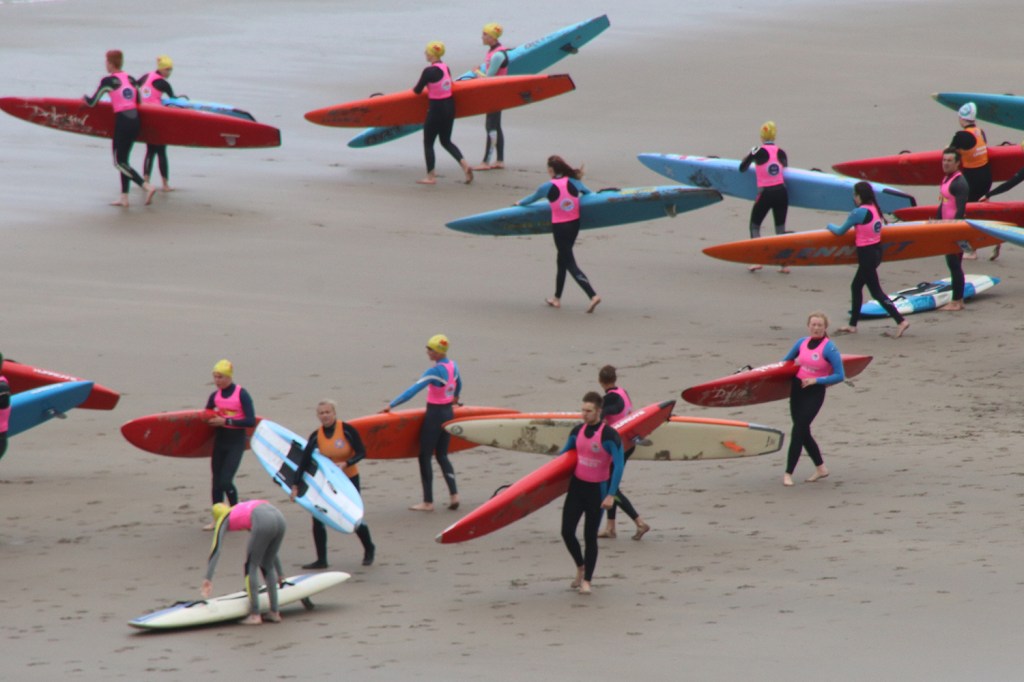
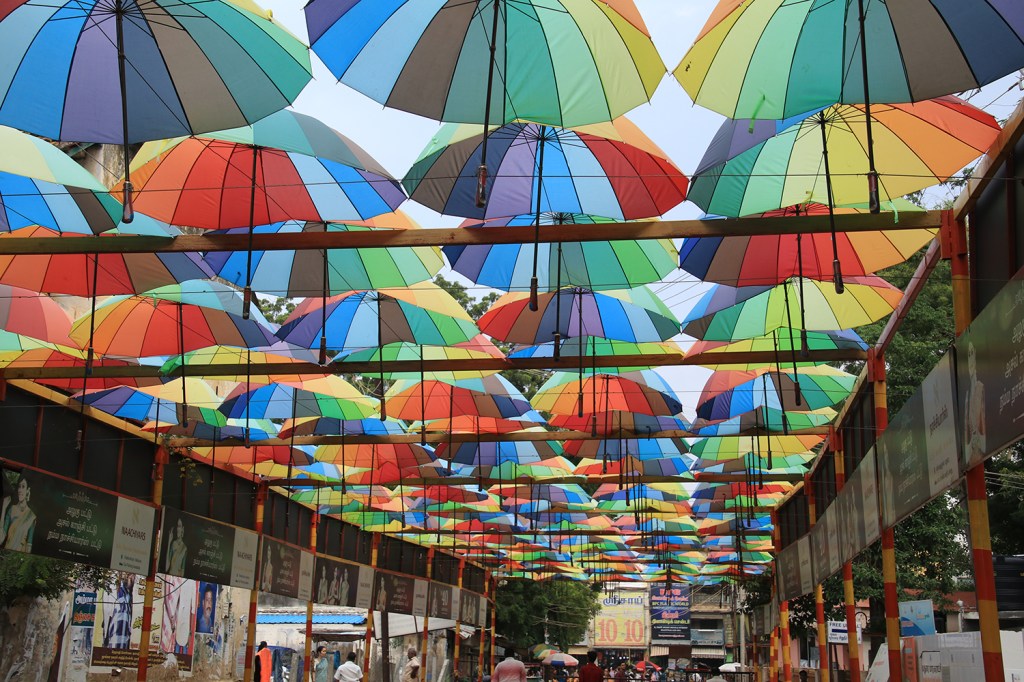
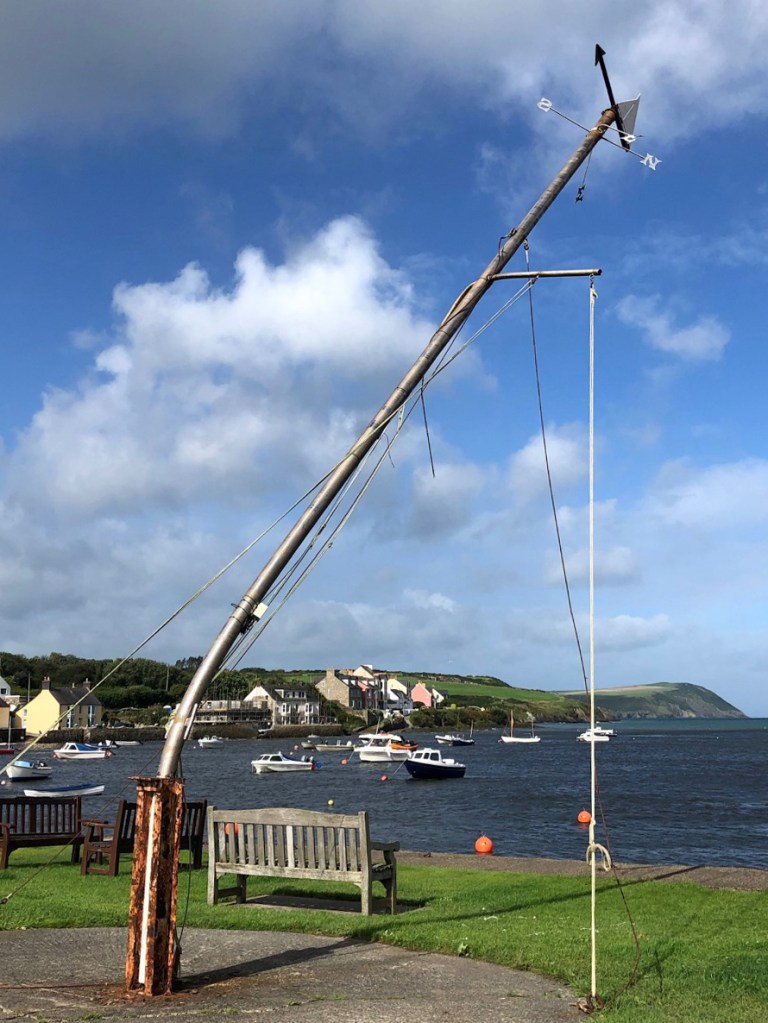
These were the images that I shared with my peers, they are all personal images that I already had; but I’ve brought them together as I thought they were all surreal to varying extents and was interested to see what others thought:
These are the comments that I received:
Consenus was that images 1 and 4 though good shot s are the least surreal.
Image 2 and 5 were found to be surreal to a degree and humorous
Opinion was varied on image 2
My conclusion is that context ahs something to do with surreality. Image 3 was thought by all to be surreal but because I know the context it seems the least surreal to me!
Read the article ‘Seeing and Believing’, written by Max Houghton for Foto8. Core resources: Foto8#4.3_SeeingBelieving.pdf
Select two bodies of work from Eight Ways to Change the World that show different conceptual and visual styles and write a short reflective commentary in your learning log. Both bodies of work should be in colour. Discuss aspects like information, aesthetics and expression. Core resources: Panos8ways.pdf(Open College of the Arts, 2014:64)
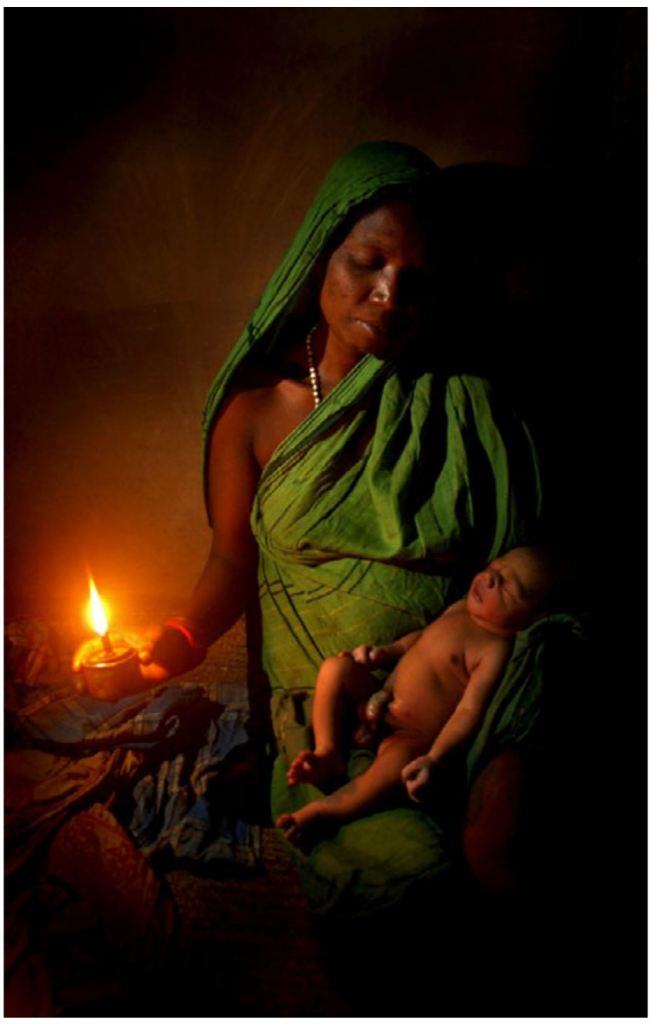
Ami Vitale
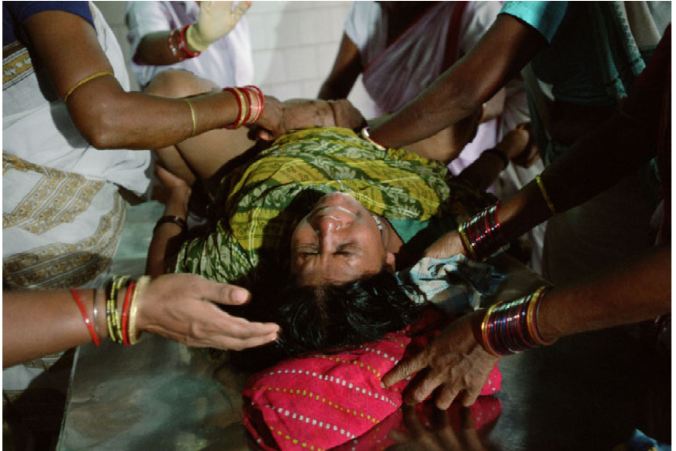
Her work shows us various types of maternity care for tribal women. The work highlights the increasing but still lack of medical birthing help for tribal women; the decreasing but still high percentage of maternal deaths and the reliance on traditional birth attendants. The images are centred around the mothers and new-borns which are represented in a variety of ways from the romantic “Madonna” style to the more hard hitting factual. I am particularly drawn to the image of the new-born baby and mother by paraffin lamp with the umbilical cord still attached also the image of the mother birthing a breech birth. Both these images are full of emotion but are contrasting. In the image of the birthing woman the hands around and on her indicate the care and concern around her; in contrast the image of the mother who has given birth at home emits serenity.
(Houghton, 2005)
(Houghton, 2005)
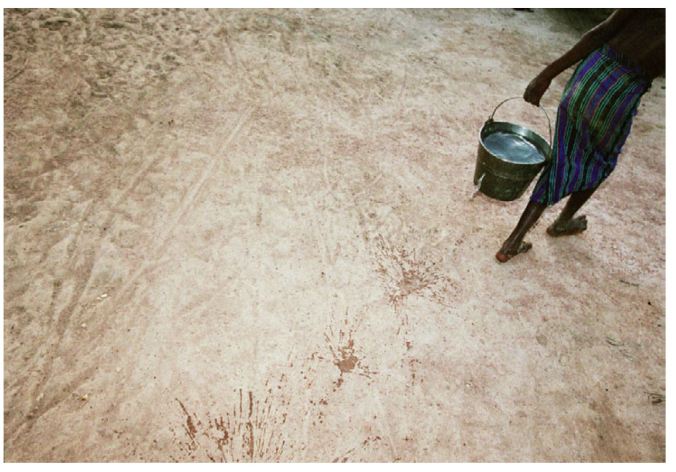
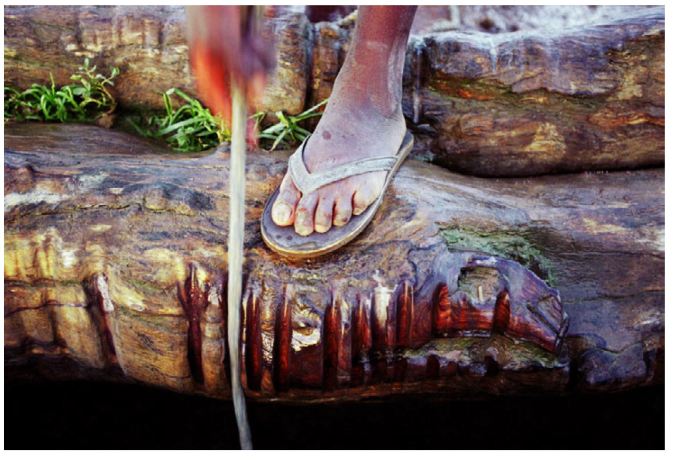
The work of Dieter Telemans is completely different. His subject matter is the collection of water from wells, either for domestic use or for sale by the 20-litre barrel. He highlights the danger and hard work in this work mostly done by women and children, hauling water from deep wells and carrying it distances to home.
What struck me initially was the varied perspective he uses in this work; it does seem to be used to emphasise the message in each image, in this first one the difficulty in carrying the water and water lost along the way, and the second the precariousness when hauling water out of the deep wells.
(Houghton, 2005)
(Houghton, 2005)
Of these two works Ami Vitale’s offer more of a view of people transitioning from traditional methods to safer medicalised pathways; whilst Teleman’s seems to focus more on their current hardships. Both works do show how work can have a gravitas whilst not being in the traditional black and white documentary style and that in fact colour enhances their message.

 Photography 2: Documentary