The ethics of aesthetics
Exercise 4.5
Read the booklet ‘Imaging Famine’. Core resources: imagingFamine.pdf. Do some research across printed and online media and find examples that either illustrate or challenge the issues highlighted in the document. Add your findings to your learning log. (Open College of the Arts, 2014:87)
This research project in 2005 called for a debate and reconsideration of the power and purpose of disaster pictures. It highlighted issues that persisted in images of famine:
- Stereotypical images of victims, that raise money but with short term benefits and long term disadvantage of embedding cultural and racial stereotypes?
- Do negative images breed the sense that nothing can be done or are they necessary for fundraising?
- Could positive images of people in need be presented?
- Is an image negative if it produces a positive outcome?
- Would such images be appropriate if they minimised the scale of suffering?
- What is the purpose of text/captions?
- Can photographers provide images with context, understanding and explanation?
- Are foreign disasters only important if they are on a massive scale?
- Is there compassion fatigue or do hard hitting images force governments to act?
- Does immediacy enabled by technology cause simplified rather than impactful compositions?
- Can one picture share a good understanding of issues?
- Are photographers simply image makers or do they have wider responsibilities?
- Does the ends justify the means?
My response:
I began by looking at Aid Agency online posting. Oxfam International currently mainly uses positive single images with some smiling faces and a lot of context for its famine pages. They are certainly shot with respect, are not stereotypical and provide plenty of explanation.


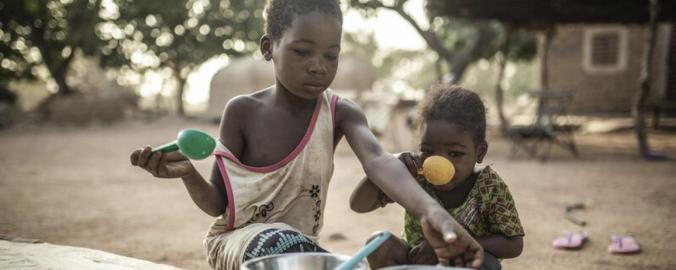
Feed the Children charity uses few images and those used are simply children’s smiling faces. UNICEF favours videos on its web site and where there are single images they are positive images such as the one below which is saying “look what we can achieve”:
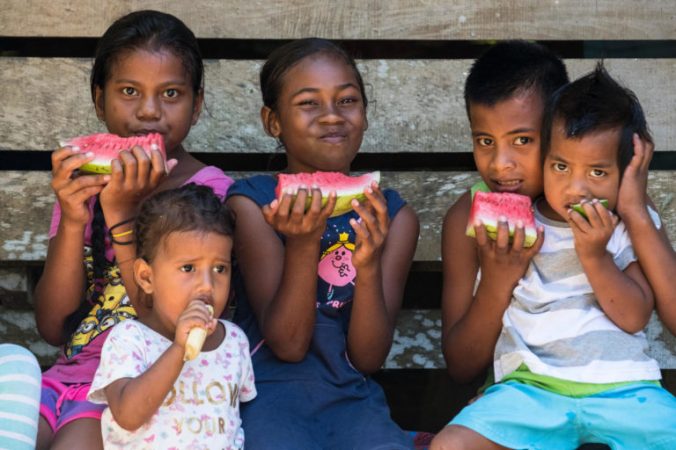
(Protecting Rohingya children in Bangladesh,2018)
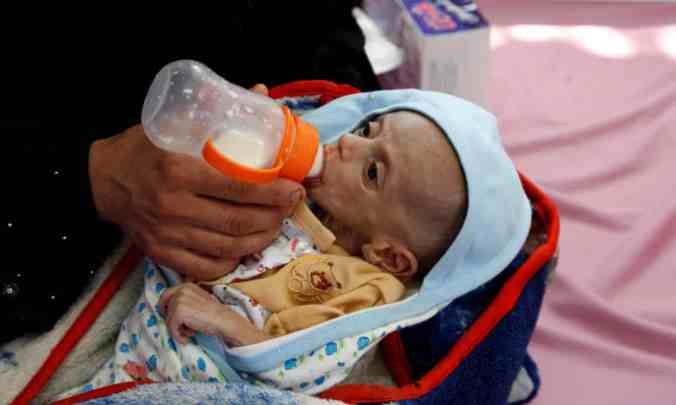
The tone of the images changed completely when I began to access media images of current stories; of which there were surprisingly few currently. In the Independent I found two recent articles about the hunger in Yemen. I was shocked that the first 2 articles I accessed used shocking images of babies with malnutrition in incubators. I am sharing one of these only as a contrast to the image used by UNICEF on the same topic:
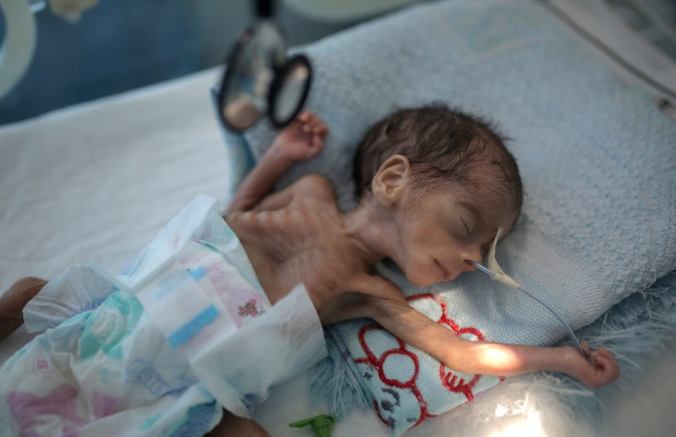
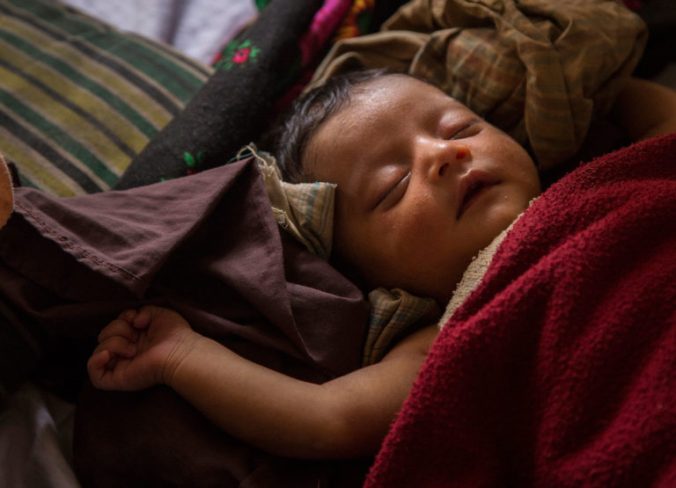
These two images also highlight the effect lack of control over the publishing of information is also the Independent image above was added by the Independent to an article about the launch by UNICEF of its Yemen appeal. This would surely not have been UNICEF choice of image for the story.
I did find some more positive, dignified and effect based images in the media, published with good context:
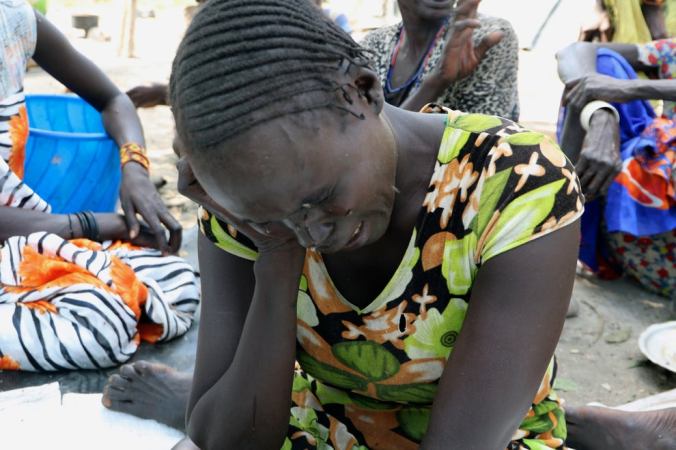
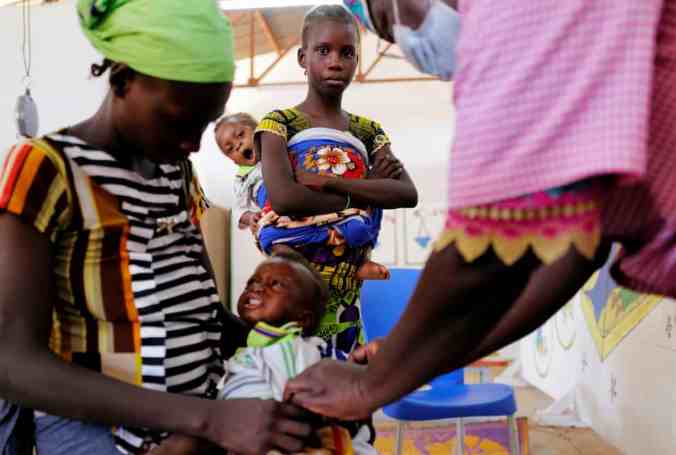
The BBC seems to use more videos than still images and I was surprised that there has been little recent coverage.
The paper Famine imaging by David Campany raised questions about ‘compassion fatigue’, iconic and stereotypical images, and the use of photographs for fundraising. From my current research it is obvious that different media use contrasting types of images to suit their consumers. Aid agencies are more respectful to their subjects and are keen to highlight the benefits of their projects particularly longer term. The images that I have found are less stereotypical than they were shown to be in the research paper of 2005, which is as you would expect, so approaches have moved on since that time. Whether this is because they have found that stereotypes have become less effective in raising aid and sympathy, or whether this is simply a response to increased ethics in photography and publishing I don’t know. I would assume that aid agencies have identified that it is not necessary to be forceful visually about the scale of suffering, as they can provide this in their accompanying text explanations.
References:
Ahmed, K. (2020) ‘UK pledges an extra £47m in aid as agencies warn of ‘catastrophic hunger’’ In: The Guardian 31/12/2020 At: http://www.theguardian.com/global-development/2020/dec/31/uk-pledges-an-extra-47m-in-aid-as-agencies-warn-of-catastrophic-hunger (Accessed 09/01/2021).
‘Imaging Famine’ (2005) At: http://www.imaging-famine.org/images/pdfs/famine_catalog.pdf (accessed 8.1.21)
Campbell, D.et al (2005) Imaging Famine, The Guardian. Available at:
Crisis in Democratic Republic of Congo (2020) At: https://www.oxfam.org/en/what-we-do/emergencies/crisis-democratic-republic-congo (Accessed 09/01/2021).
Hodal, K. (2020) ‘UN issues $100m emergency funding and calls for global effort to avert famine’ In: The Guardian 18/11/2020 At: http://www.theguardian.com/global-development/2020/nov/18/un-issues-100m-emergency-funding-and-calls-for-global-effort-to-avert-famine (Accessed 09/01/2021).
Hunger crisis in South Sudan (2020) At: https://www.oxfam.org/en/what-we-do/emergencies/hunger-crisis-south-sudan (Accessed 09/01/2021).
Nutrition and life-saving food (2021) At: https://www.unicef.org.uk/what-we-do/life-saving-food/ (Accessed 09/01/2021).
Open College of the Arts (2014) Photography 2: Documentary-Fact and Fiction (Course Manual). Barnsley: Open College of the Arts.
Protecting Rohingya children in Bangladesh (2018) At: https://www.unicef.org.uk/rohingya-refugee-bangladesh-myanmar/ (Accessed 09/01/2021).
The fight against hunger must top the EU agenda for a fair and green recovery (2020) At: https://www.oxfam.org/en/blogs/fight-against-hunger-must-top-eu-agenda-fair-and-green-recovery (Accessed 09/01/2021).
Via AP news wire (2020) ‘‘Mom, we need food’: Thousands in South Sudan near famine’ In: The Independent 24/12/2020 At: https://www.independent.co.uk/news/mom-we-need-food-thousands-in-south-sudan-near-famine-south-sudan-food-famine-children-government-b1778517.html (Accessed 09/01/2021).
Via AP news wire (2020) ‘Yemen ‘on edge of precipice’ as UNICEF launches aid appeal’ In: The Independent 07/12/2020 At: https://www.independent.co.uk/news/yemen-on-edge-of-precipice-as-unicef-launches-aid-appeal-yemen-unicef-children-sudan-edge-b1767542.html (Accessed 09/01/2021)
 Photography 2: Documentary