Assignment 3 learning log: Visual storytelling
In preparation we were asked to listen to a lecture on documentary and narrative by Professor David Campbell.
The brief: Produce a photo story of 10 images that, as a set, tells a story and conveys a narrative.
- Engage at local level.
- Do this assignment in colour.
- This is not a visual chronology unless your theme naturally has one. Structure your visual story as you would a written story. Present your viewer with the theme, further developments and complications and, finally, a resolution – or non-resolution that poses further questions. Edit and sequence your work accordingly.
- Go for visual variety – use a variety of lenses, viewpoints and compositions – but ensure visual and conceptual consistency across the images. (Open College of the Arts, 2014:83)
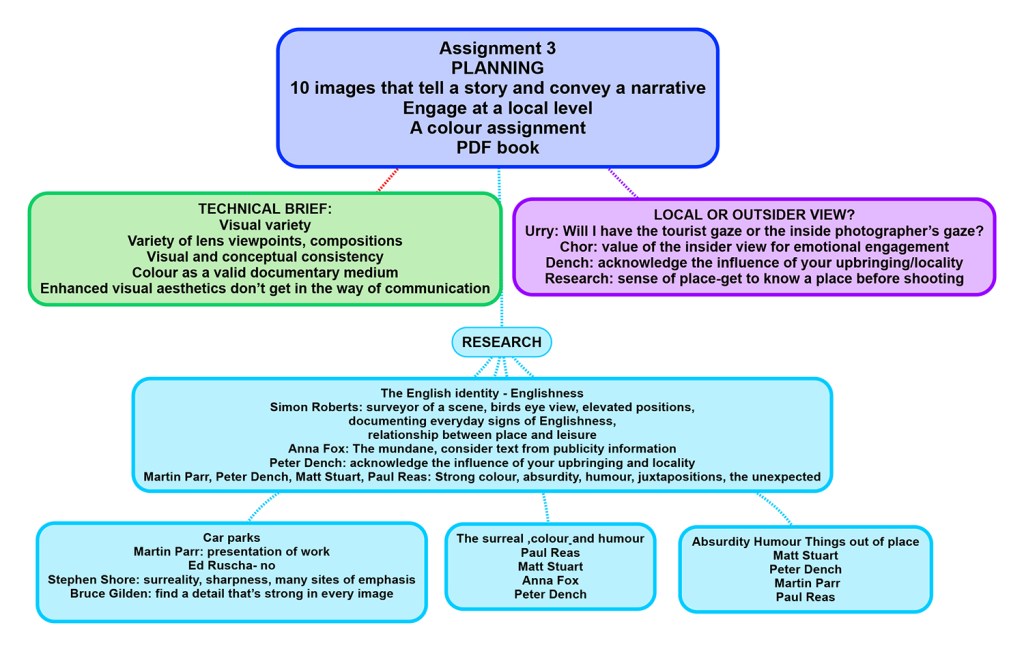
Planning
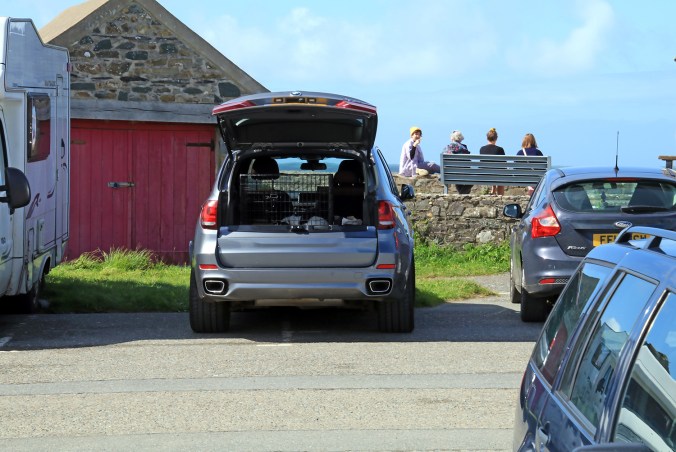
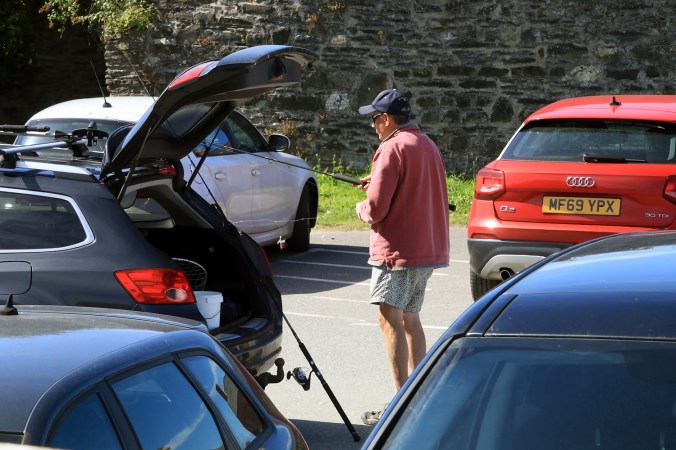
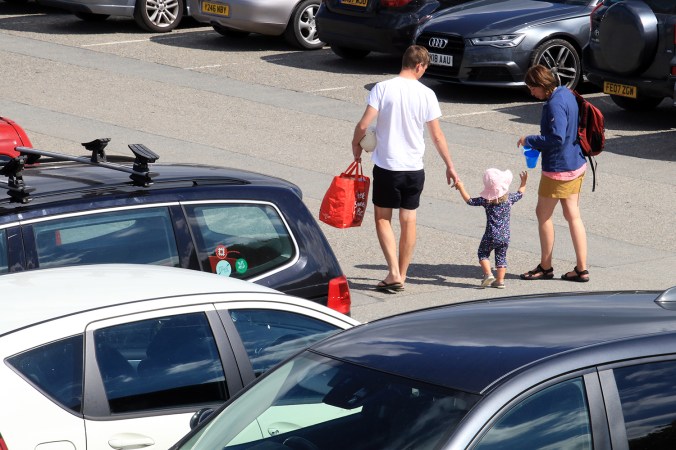
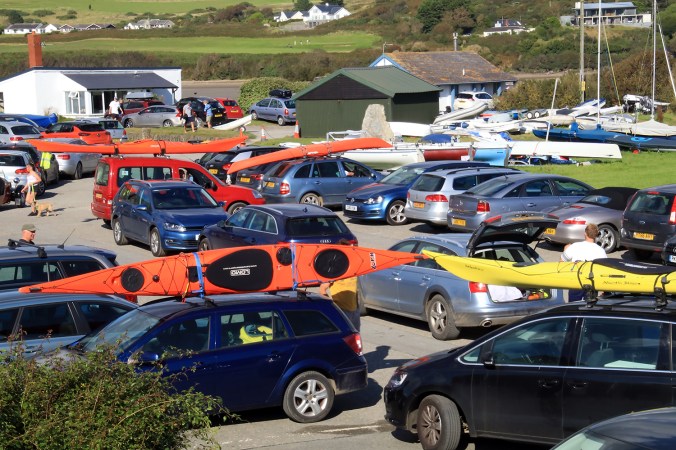
My initial idea was to focus on a small local car park, by the waterfront here, which is quiet and empty much of the year but becomes extremely busy in the summer season. I thought it would be interesting to observe and record this process from spring to Autumn as a manifestation of the invasion of tourists into an otherwise sleepy place.
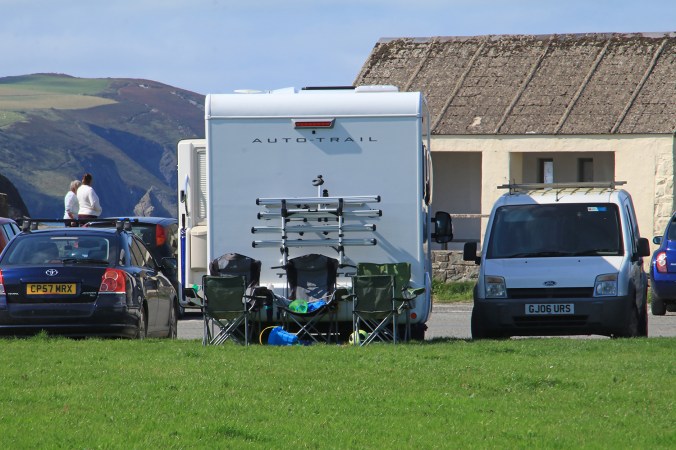
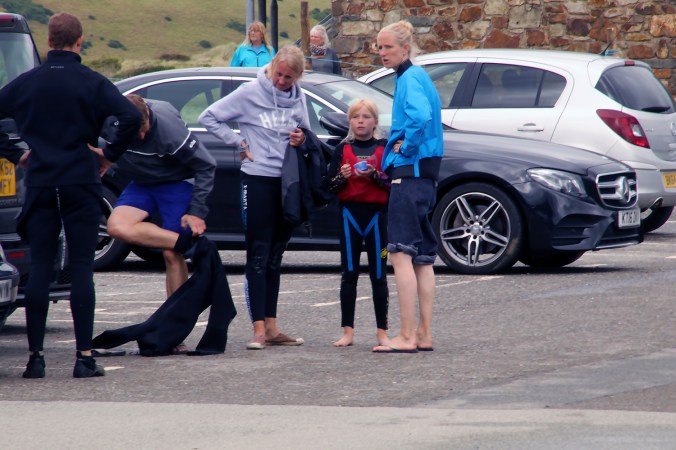
I was influenced initially by Simon Roberts work, where he surveys scenes, often from elevated positions particularly his work We English (2009) documenting everyday signs of Englishness (1985/86) and by Anna Fox’s work Basingstoke (1985/86) particularly her emphasis on the mundane; however, by the time I started shooting I had researched the street photography of Peter Dench, Matt Stuart and Paul Reas and this fed into my first few shoots; thus, I strayed from my original intention focusing more on people in the car park subconsciously looking at characterising their tourist role.
I shared these images with some peers:



Planning mind map:
Shooting
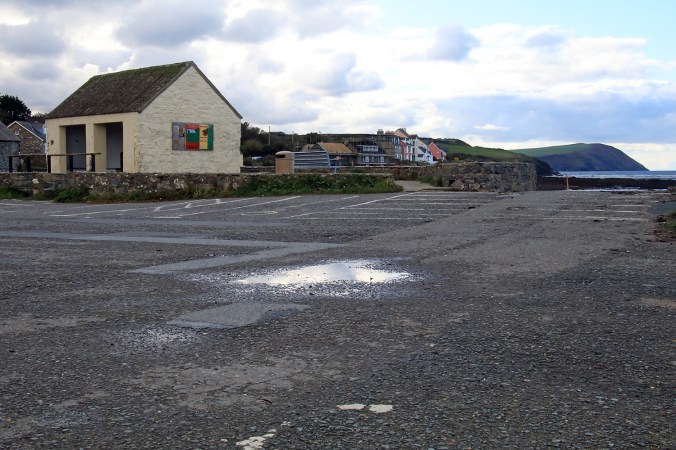
Following peer feedback and my reflections I decided that I should return to my original intention and focus on the car park rather than the people, exploiting signs of presence and absence. I revisited my research on Martin Parr and Stephen Shore’s colour photographs of car parks noting the sharp detail, high colour saturation, and using the mundane to create meaning. I also considered how to show that this is one car park, whilst using a variety of viewpoints as required in the brief and decided to feature the bus shelter in most images to anchor this.
I thought more about my technical approach:
- To use colour, vibrancy or the lack of it to communicate mood
- Try different lens
- Frame more forcefully, with an eye on what’s outside of the frame
- Use good depth of field
- Use perspective to magnify subtleties and choregraph information
These were the next set of images shared with peers on my documentary OCA hangout 8.10.20:

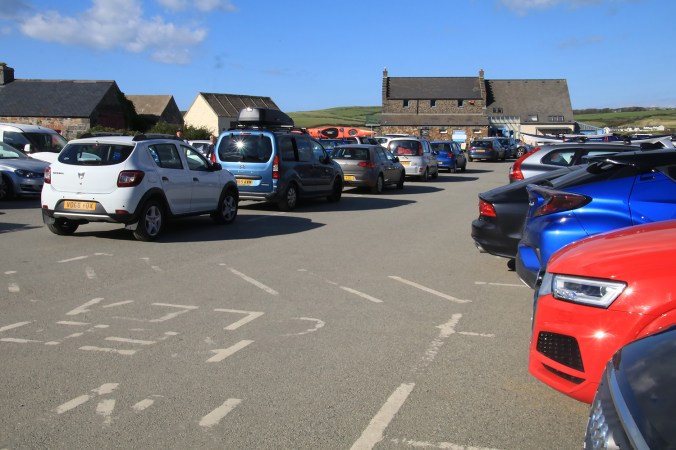
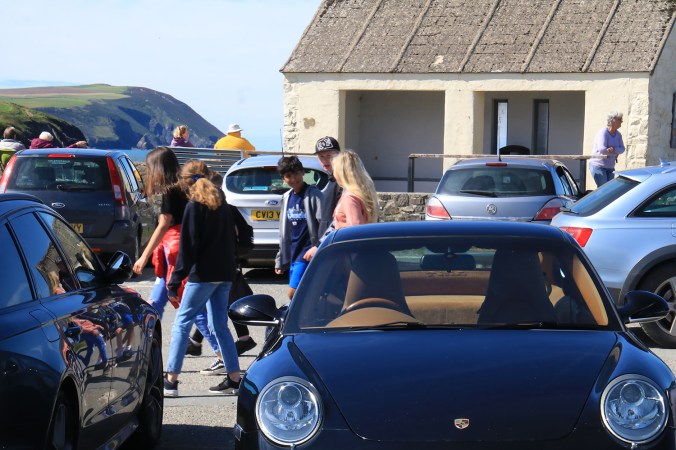

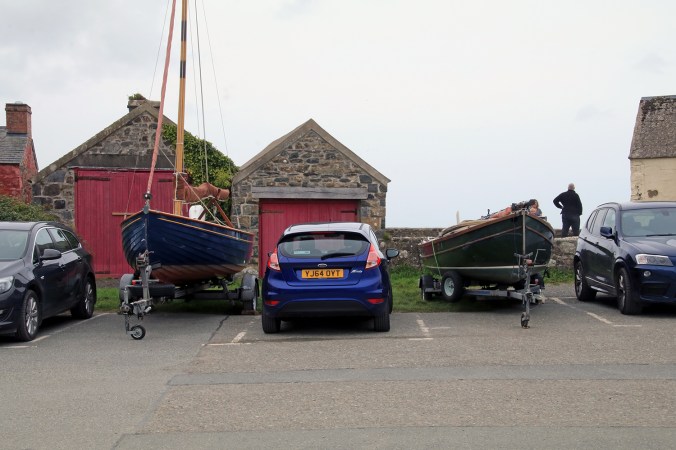
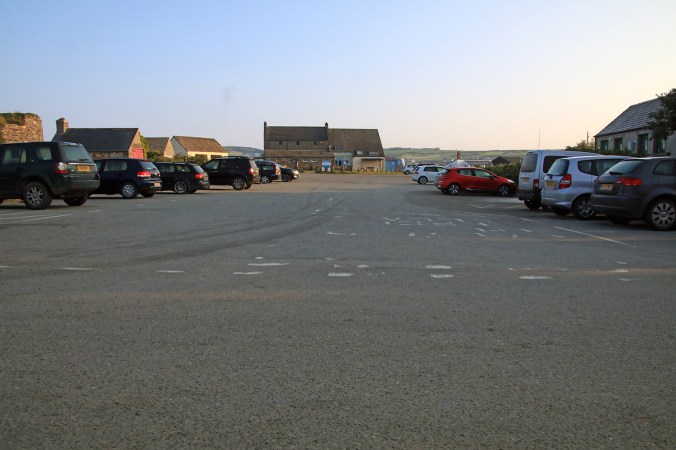
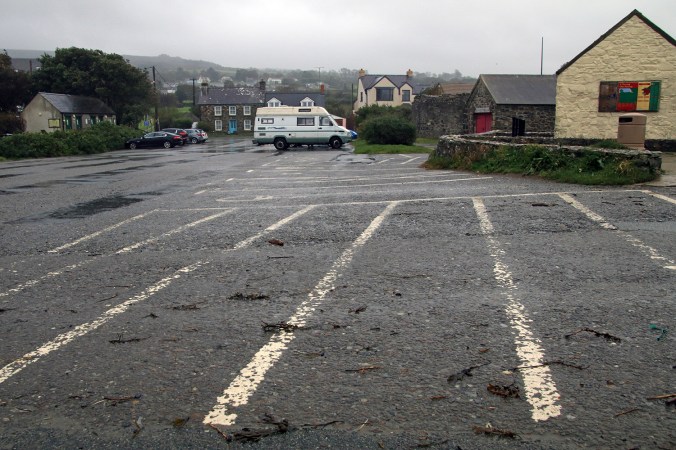

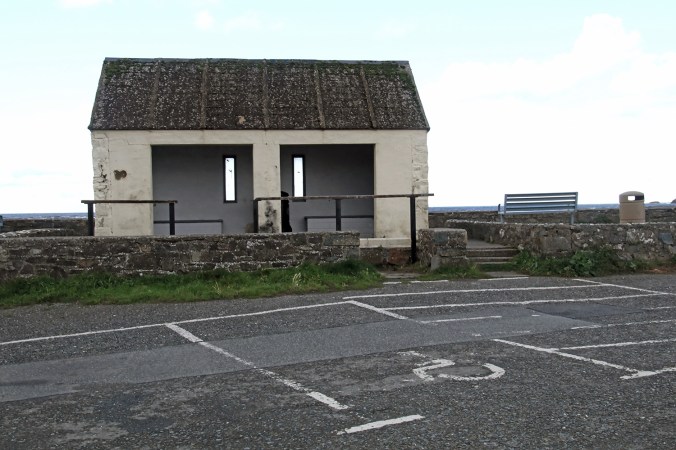
Shooting Mind map:

Editing
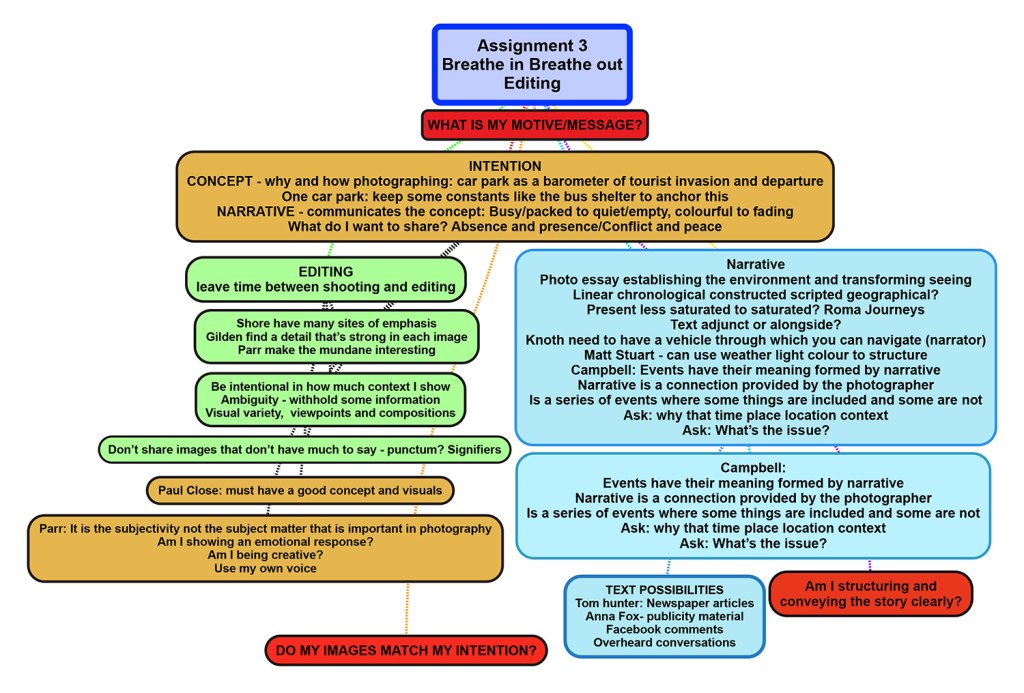
Because of personal events I had plenty of time between shooting and editing, which is not a bad thing, though I did feel my work was rather staccato. I made sure that I returned to my intention when choosing images and sequencing.
I thought about narrative seriously at this point, as this communicates the concept. David Campbell’s insights on narrative were helpful, that it is, to relay information, make sense of things, provide connections, and overall that the “event” is not what happens but what is narrated.
I asked myself whether my images match my intention, a car park as a barometer of absence and presence, invasion and peace and considered how to order them to get best effect and meaning. I had intended to show the process from quiet to busy to quiet again but realised that I could achieve my intention by simply starting from busy (which is actually when I started shooting) through to the quiet season.
I also asked myself whether the images made the mundane interesting as Parr suggests, had strong details in them (Gilden), different sites of emphasis (Shore), had visual variety, and that I was intentional in how much context I gave and ambiguity that then remained.
When I thought about sequencing, I considered not only the content but also colour, remembering how in the Roma Journeys (Eskildsen and Rinnes, 2007) images were presented less to more saturated; this has happened more or less in my work but as a consequence of the weather deteriorating and the light falling as the busy season exits, a natural consequence.
Editing mindmap:
Presentation
I had considered text that I could use at various points of the project: press statements as we went in and out of lockdown, publicity from tourist/local articles/Trip advisor, snippets I’d overheard in the car park, letters or Facebook comments from residents; but ultimately decided to let the images and their sequencing speak for themselves – to keep it simple and not impose my meaning on the viewer. I employed the technique of sequentially increasing the size of images on the book pages to emphasis the “breathing out” of the car park.
I’d had useful book making discussions with peers and decided to create mine in lightroom. I sent the book to blurb to see how it looks as a book and have taken screen shots of this, but also made a PDF which gives better quality images.
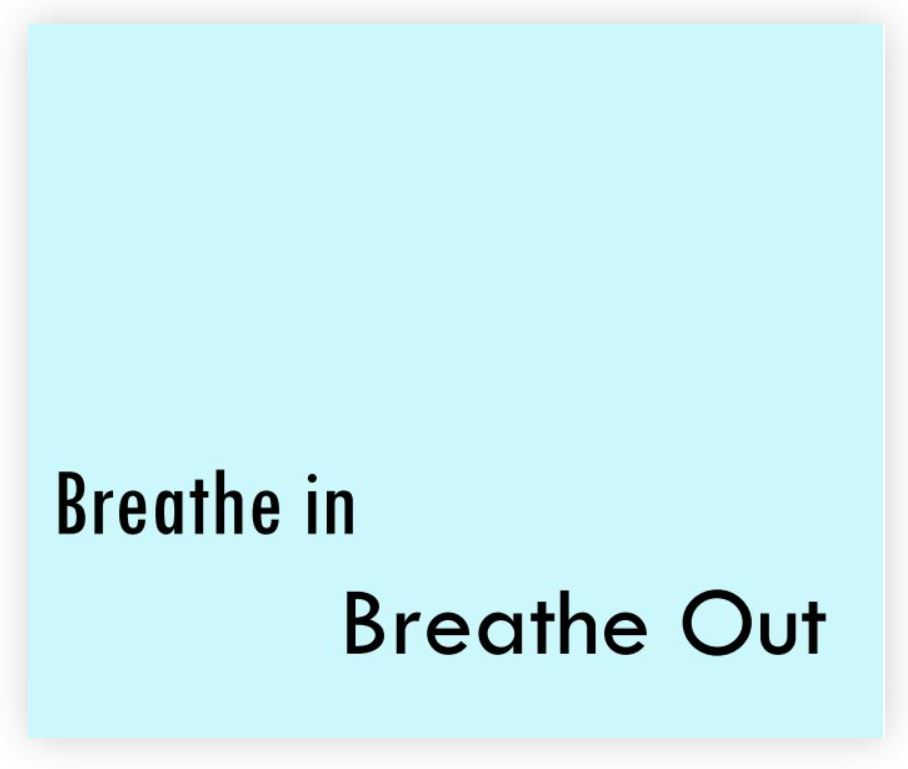
I then shared these with peers: Hangout 26.11.20. One asked me about how the visuals connect with the concept of breathing in and out, and questioned should there be one busy, then one quiet image to mimic breathing in and breathing out. My feeling and the group consensus was that this would destroy the flow and narrative. Following their comments, I did exchange the positions of the 4th and 5th images. I also considered creating a “flip” book with the breathe in at the front flipping the book upside down to the breathe out at the back; this seemed overcomplicated so in the end decided to move the title text completely to the front of the book, instead of having breathe in at the front and Breathe out at the back as I had originally.


Editing and presenting Mind map:
References:
Anna Fox (2020) At (Anna Fox (2020) At: https://annafox.co.uk/ (Accessed 29/10/2020). Accessed 15/9/2020).
Eskildsen, J. (2020) Joakim Eskildsen Photography At: http://www.joakimeskildsen.com/default.asp?Action=Menu&Item=104 (Accessed 28/10/2020).
Open College of the Arts (2014) Photography 2: Documentary-Fact and Fiction (Course Manual). Barnsley: Open College of the Arts.
We English (2020) Eight Magazine issue 25, summer 2009 At: http://www.simoncroberts.com/work/we-english/ (Accessed 05/09/2020).
 Photography 2: Documentary