RESEARCH POINT: SENSES OF PLACE
Do some independent research into the work of some or all of the photographers discussed in this project.
Compare and contrast the strategies that these photographers adopt in conveying a sense of local identity. Do you think this type of work is easier or harder if you come from the place that you’re documenting? Can you find any evidence for the view that ‘the same geographical space can be different places at the same time’? (Open College of the Arts, 2014:73).
Before starting on more in depth research I looked briefly at the work of Marco van Duyvendijk, Jens Olof Lasthein, Philip Cheung and David Goldblatt; from this I decided to expand my research on the photographers below to identify strategies used to convey sense of place and local identity.
Alex Webb– Istanbul: A city of a hundred names
Was born a raised in the USA and began as a photojournalist. He is best known for his colour photographs often in places with socio-political tensions. He has worked in many places the U.S.-Mexico border, Haiti, Istanbul, and a several U.S. cities. He says that his work is questioning, exploratory, and ambiguous (Alex Webb,2020, 1).
I have looked closely at his work “Istanbul: city of a hundred names” (2007), begun in 1998. Webb says “For thirty-some years as a photographer I have been intrigued by borders, places where cultures come together, sometimes easily, sometimes roughly”, Istanbul has certainly led a blended existence (Alex Webb 2,2020). In this work he definitely leans towards documentary art in a surrealist way, however he does give an everyday unposed pictures of everyday life there and exposes elements of their identity. Webb does through the colourful urban landscape address the history of the place, religion, politics and economy through the way people work and live.

TURKEY. Istanbul. 2001. View from a barbershop near Taksim Square. 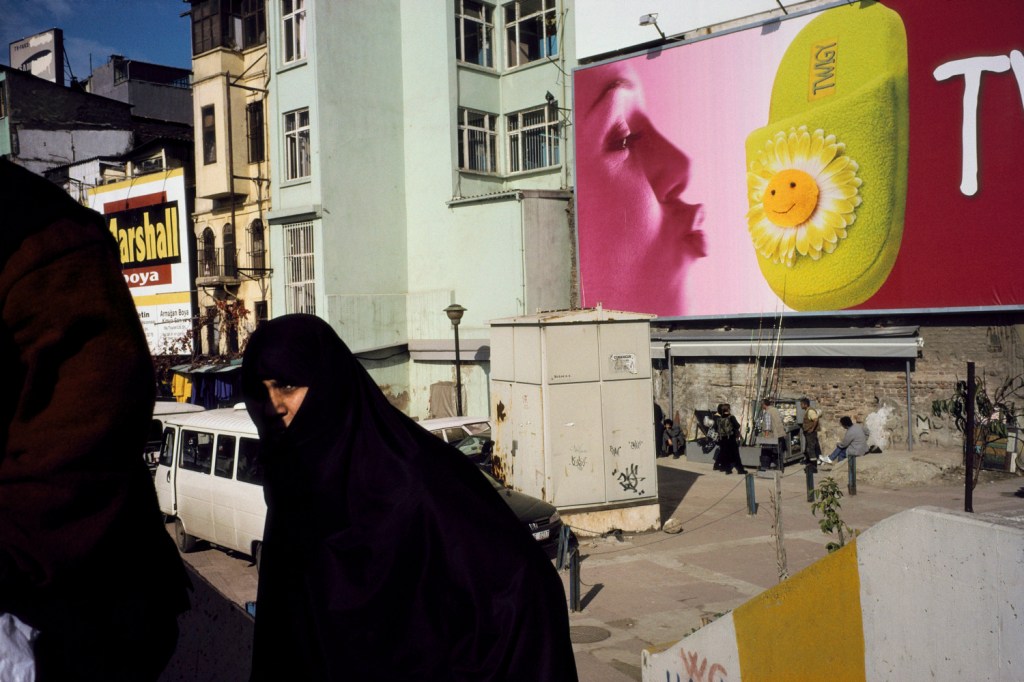
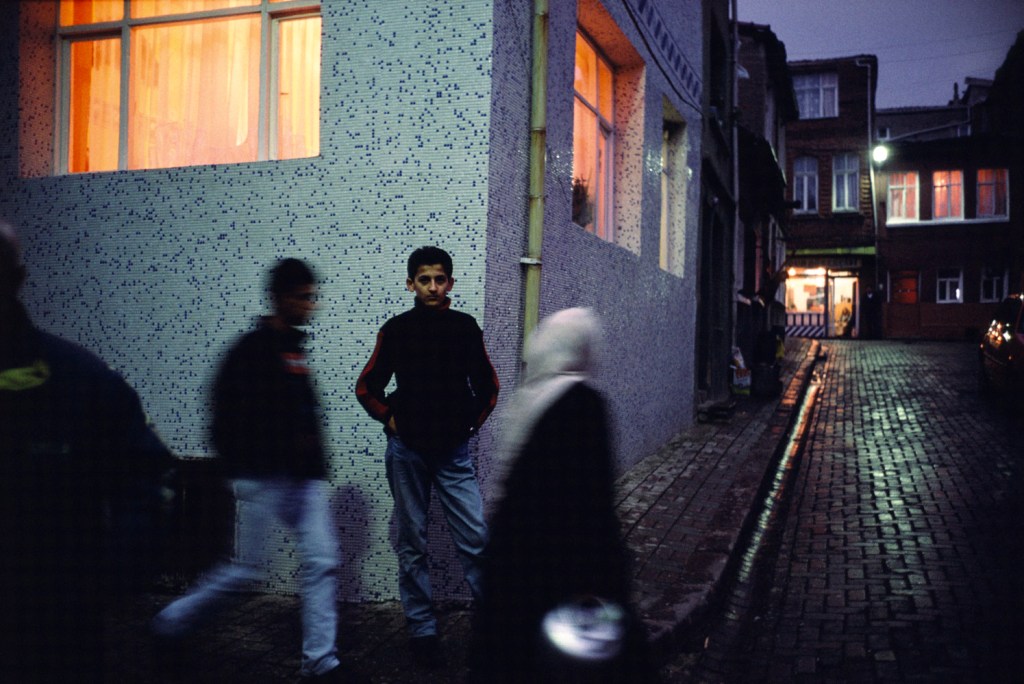
TURKEY. Istanbul. 2001. Street scene in Ayvansaray. 
TURKEY. Istanbul. 2004. Children playing in Cihangir.
His strategy for conveying a sense of place and identity is very much in the style of street photography. He captures quickly, frames abruptly and uses colour to his advantage. It is his choice of subject matter that captures identity and place using this style.
Mikhael Subotzy- Beaufort West
Subottzy is South African born post-apartheid but his work is about the legacy of it. He moved into a showroom apartment called “future slick”, part of “Ponte” the regenerated tallest residential building in South Africa. With British Artist Patrick Waterhouse; he intended to document life in the tower before and after the transformation; Their work the book Ponte City, is described by Magnum as “An intimate social portrait of Johannesburg’s iconic Ponte City and its community of residents” (Ponte City (2018).


The work at first takes on an architectural style, but showcases the lives and identities there that the building is integral to. He uses a range of approaches, documents, design blueprints, and portraits to reinforce the connections of the people there. Subotzy photographed each of the 467 apartment doors, and the views from them, and also portraits in elevators, a good way of meeting people, often lit by the fluorescent lights of the elevator. These were both awkward and intimate portraits; later he photographed more intimately from within their homes.


S
Subotzy explains that the building represents the residents and those outside, and is a microcosm of the broader city. He describes how the “project was always about these stories, the mythology and the ideology were just containers that, while of course interesting in themselves, were a way of containing the project.” (Ponte City, 2018)
His earlier work Beaufort West, was of rural South Africa, where he combined characters and social landscapes. This town is along a great highway; it has a prison in the middle of the town which is what first caught his eye.


His pictures also captured those living outside the prison, some who rotate in and out of it. Here again his images capture the peoples lives and the injustices,


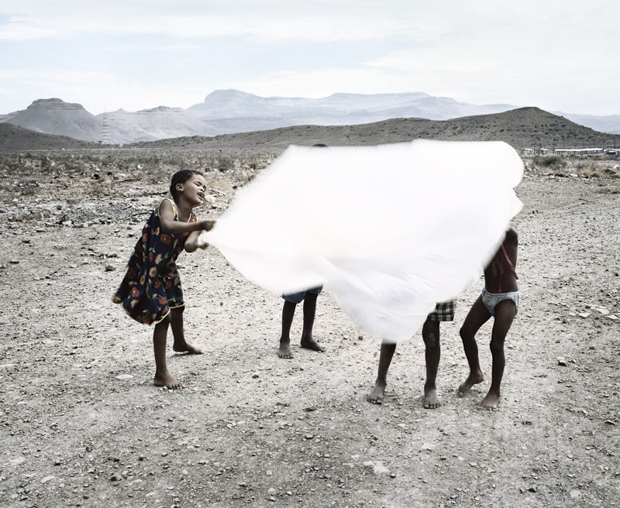
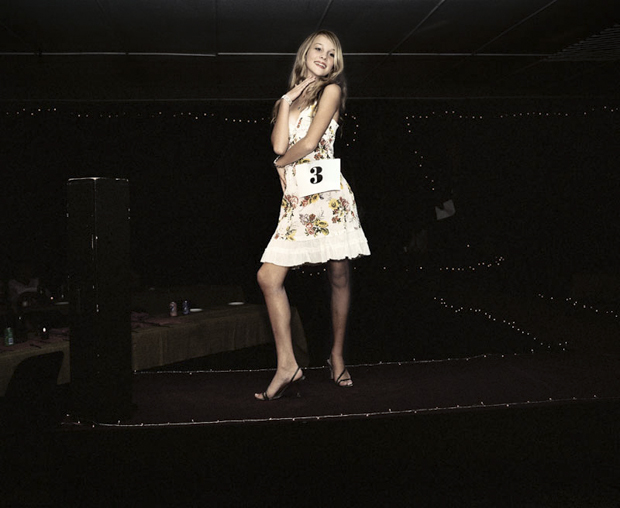
(Mikhael Subotzky archive, 2020)
He obviously takes time to gain trust and understand and becomes close to his subjects and communities as the images are not critical or exploitative.
Marco Van DuyvenDijk
A Dutch photographer who has photographed many places worldwide, especially Children and young people, such as Rumania, Mongolia, China and Japan. His work shows tradition, change and contemporary elements. His work in Mongolia we are told in our course book was commissioned by the Mongolian consulate to document the nation’s shifting identity.

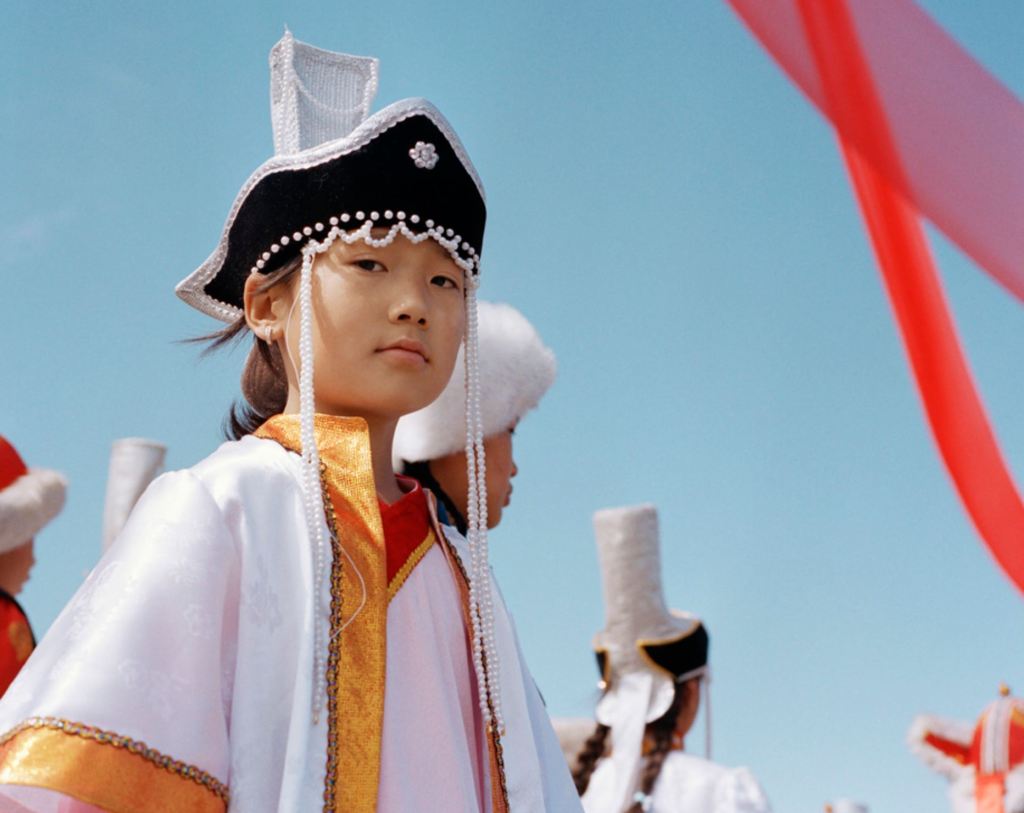
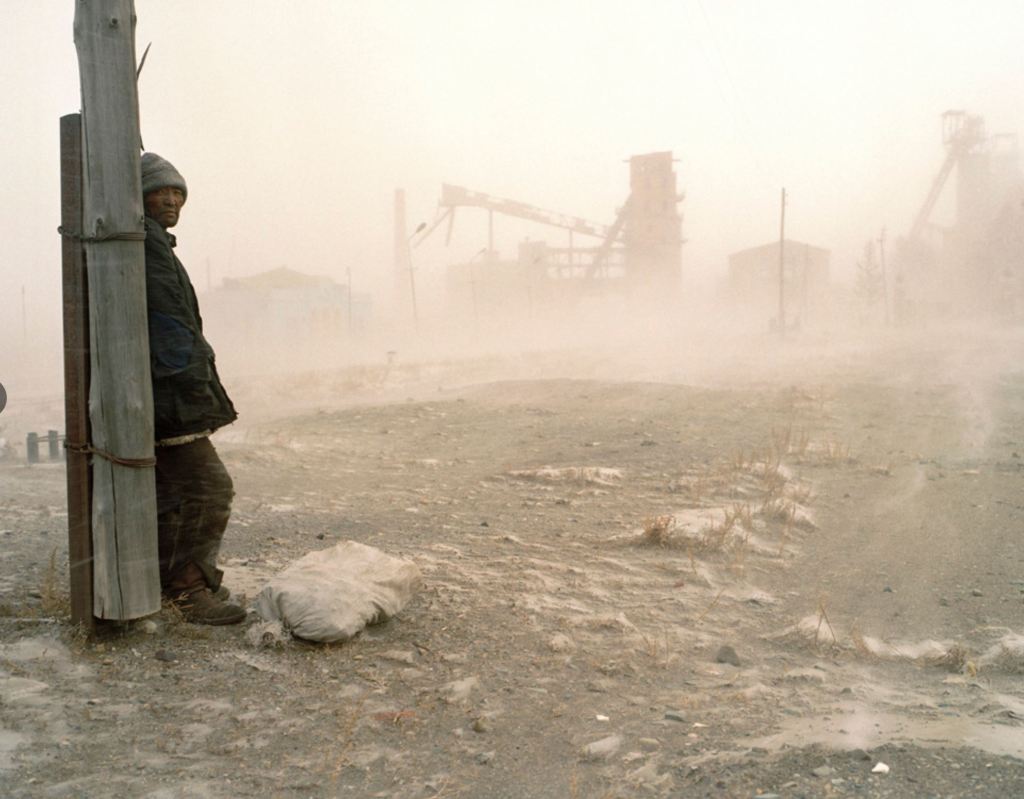
(Marco , 2020)
He says that he sees art, and his own photography, as a means of communication between East and West, however these images speak to me more of aesthetics than getting under the skin of the people who live in a place.
I chose also to review his images of Manila as it is a place and people I know well:
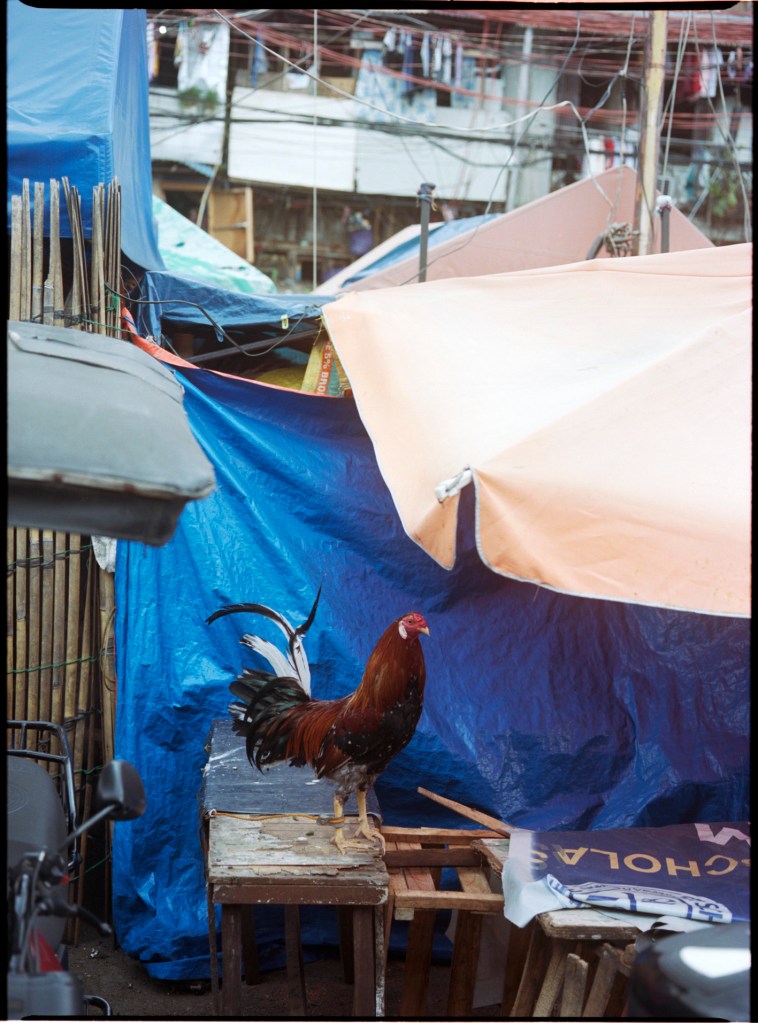
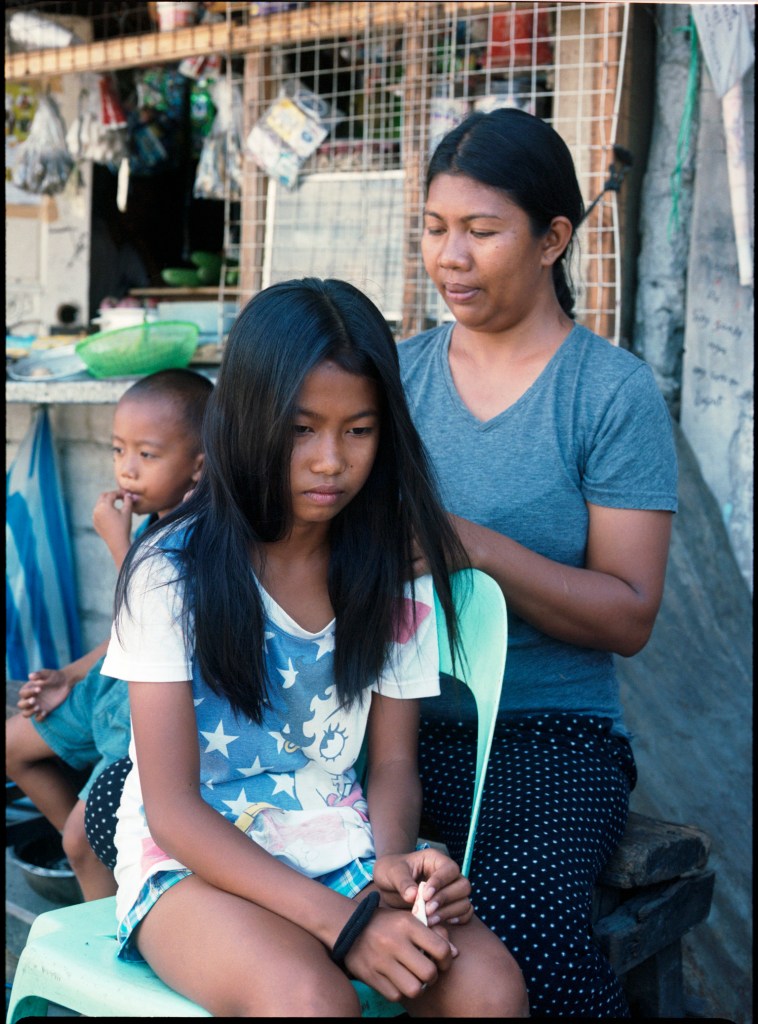

(Marco, 2020)
I can see in his images some stories of their everyday lives, however they appear to me more as a traveler’s photography rather than someone who has taken time to engage, gain trust and become intimate with their lives to portray their identity; maybe the outcomes of his work depends on whether it’s being commissioned for something in particular as his work in Mongolia was.
Reflections:
You would think that this type of work would be more effective if you come from the place you’re documenting. Subotzy and Webb get underneath the skin of their own countries; Van Duyvenduk doesn’t achieve this as effectively. To me it seems that capturing a sense of place is dependent not on whether a photographer is local or not, but gaining a shared understanding of place a people is dependent on sensitivity, patience and empathy as well as a great eye. Because of this I believe that the same geographical space can appear to be a different place at the same time, when represented by different photographers.
My learning:
This underlines the importance of taking time to really get to know a place before and when photographing.
References:
Alex Webb, 1 (2020) At: https://www.magnumphotos.com/photographer/alex-webb/ (Accessed 24/10/2020).
Alex Webb 2 (2020) At: https://www.josephbellows.com/exhibitions/alex-webb (Accessed 24/10/2020).
Marco (2020) Marco van Duyvendijk. At: https://www.marcovanduyvendijk.nl/uncategorized/manila/ (Accessed 24/10/2020).
MIKHAEL SUBOTZKY ARCHIVE (2020) At: http://www.subotzkystudio.com/works/beaufort-west-works/ (Accessed 24/10/2020).
Mikhael Subotzky | Ponte City Johannesburg, South Africa. 2008. Copyright Mikhael Subotzky and Patrick Waterhouse courtesy Goodman Gallery. © Mikhael Subotzky | Magnum Photos
Open College of the Arts (2014) Photography 2: Documentary-Fact and Fiction (Course Manual). Barnsley: Open College of the Arts.
Ponte City (2018) At: https://www.magnumphotos.com/arts-culture/society-arts-culture/mikhael-subotzky-ponte-city/ (Accessed 24/10/2020).
Slobig, Z. (2014) ‘Meet the Characters of an Iconic (And Controversial) South African High-Rise’ In: Wired 07/10/2014 At: https://www.wired.com/2014/10/mikhael-subotzky-ponte-city/ (Accessed 24/10/2020).
 Photography 2: Documentary