RESEARCH: FOR ASSIGNMENT ONE

Preparing for assignment one I looked at photographers who had photographed the home as well as those who had photographed through windows.

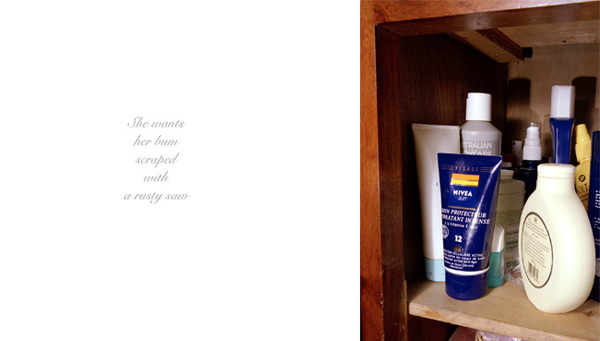
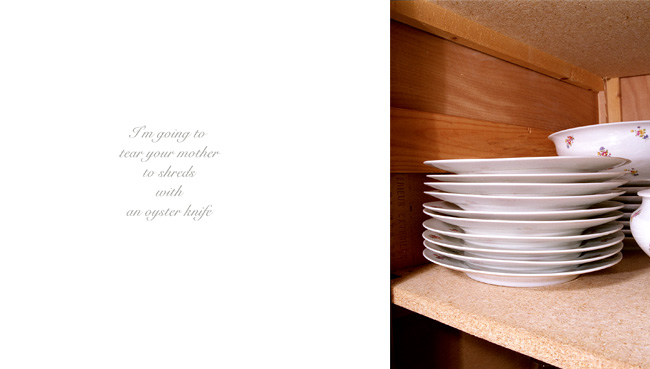
ANNA FOX My mother’s cupboard’s (1999)

I have looked at this work before but returned to it as I thought of it whilst preparing for my assignment 1 work on safety at home where I intend to photograph everyday objects.

(Anna Fox 1999)

(Anna Fox ,1999)

This was originally designed as a miniature book using images and texts with “My Father’s words” as a way of narrating about family relationships. The juxtaposition of her Father’s harsh words next to her mother’s collection of ordinary household objects in her cupboards forms an intimate sharing of her family life. Fox describes her work as “Colour photographs of my mother’s tidy cupboards together with excerpts from my father’s rantings” (Fox, 1999).

I am particularly interested in how Fox has framed the objects in the cupboards; it seems that they are all portrait orientated and shot from a slight angle including either a shelf or the floor each time and mostly a part of the cupboard roof interior. I notice that in her work “Cockroach diary”(Fox, 2000) she similarly maintains the same perspective in each shot (this time a downwards, squeeued perspective).

References:

My Mother’s Cupboard : Anna Fox (1999) At: http://www.annafox.co.uk/work/my-mothers-cupboards/ (Accessed 01/04/2020).

Cockroach Diary : Anna Fox (2000) At: http://www.annafox.co.uk/work/cockroach-diary/ (Accessed 01/04/2020).

I was lucky to open issue 238 of Aperture 2020 and find it dedicated to HOUSE AND HOME a consideration of the meanings and forms of domestic spaces, this was very timely. It formed a starting point for research on a number of photographers who have used the home as “an emblem of the moment”.

FUMI ISHINO – LOOM (2018)

In Japan, a Photographer finds there’s No Stanger Place than Home”

On returning from college in the US Ishino describes a feeling of “zure”, lop-sidedness, slippage – that his locality of Tokyo was neither home or foreign “a frame on the wall ever so slightly  crooked”.

He photographed ordinary places that usually went unnoticed, and asks Fumi Ishino’s photographs asks what happens when a house becomes unfamiliar.
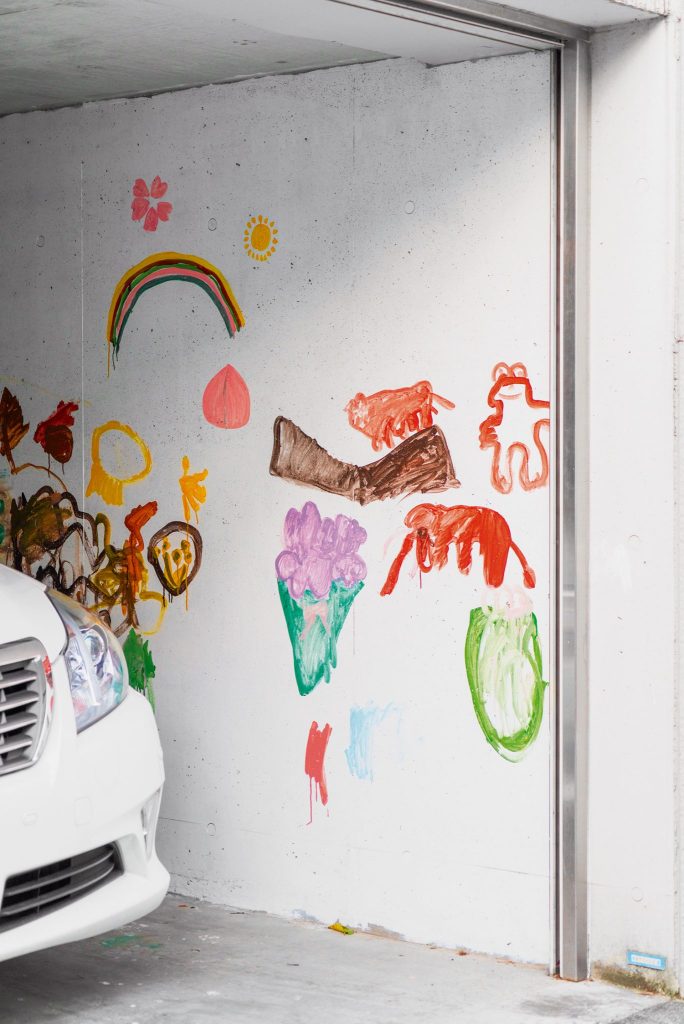

(Fumi Ishino, from the series Loom, Japan, 2018)

This series are all predominately shaded a cold white but interrupted with bursts of colour in the debris left by people.
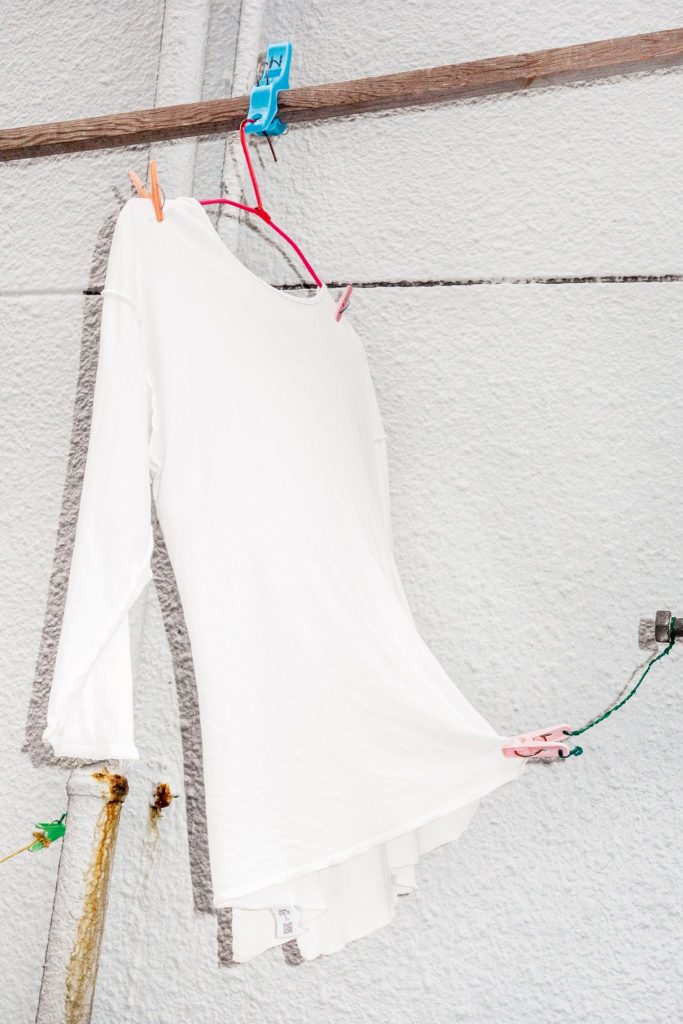
(Fumi Ishino, from the series Loom, Japan, 2018)

Fujii (2020) beautifully describes the image above as an “aethethics of suspension, a gentle balance upheld amid buffeting forces”. It is the feelings that he is trying to express in his images that interests me, and this reminds me that I should consider what feeling I’m trying to convey in my assignment 1.

Reference:

Fujjii, M. (2020) ‘In Japan, a Photographer Finds There’s No Stranger Place than Home’ In: Aperture (228) At: https://aperture.org/blog/japan-home-fumi-ishino/

Robert Adams – Photographs from Colorado (1970)

In this work Adams “with his quiet and observant eye” looks for the “beauty and emotion in everyday homes” (2020). In these images he does bring to our attention the ordinary and often overlooked in a sympathetic way.
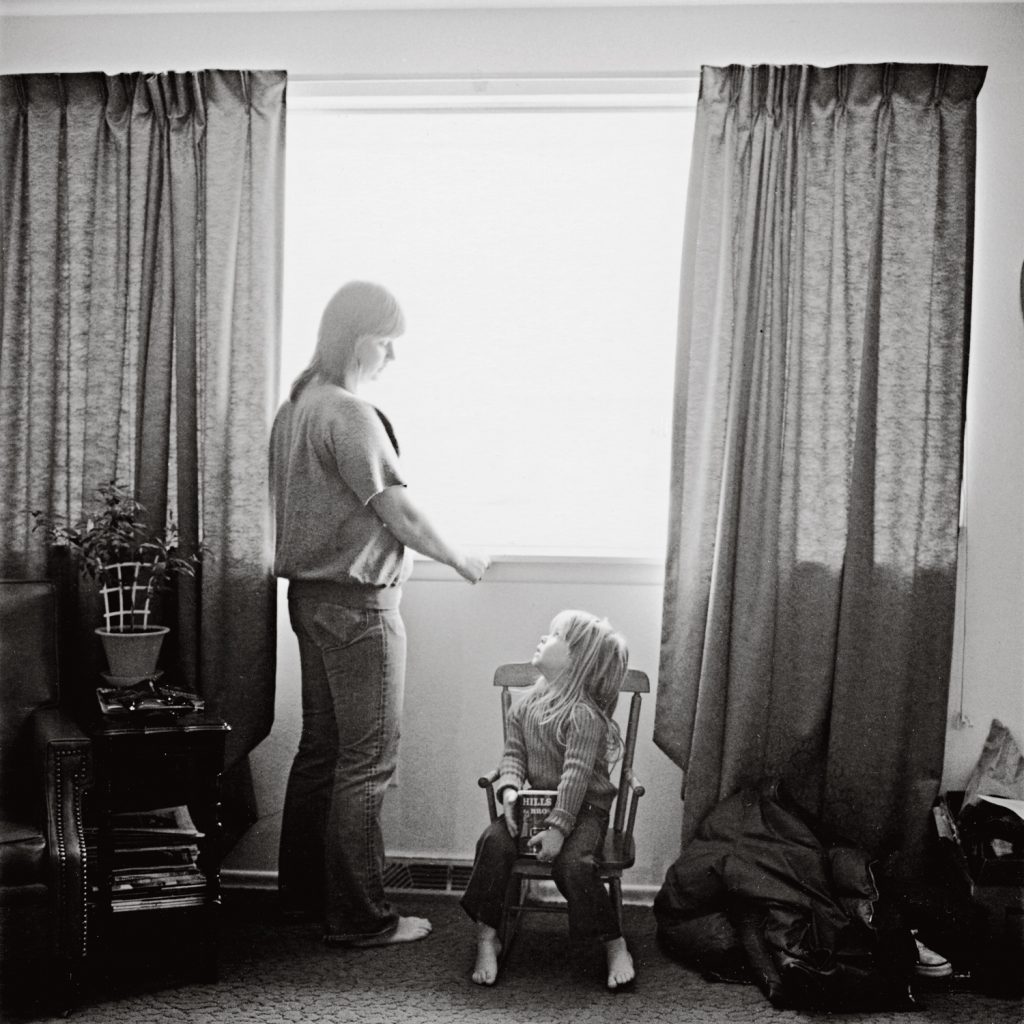
The images do have an Edward-Hopper like emptiness and sense of abandonment and therefore those without humans in particular give a sense of a room left behind by humans and the atmosphere and feelings.  Says that “absence can fill us up as much as presence does” and that Adams taped into the something that remains even as we come and go” (Iyer, 2020).

Adams apparently said that he “wanted just to show what lay within the houses that were a part of my primary subject…I also hoped, however, to find evidence of human caring”. In this work of Adams again it is the emotion of the scenes that he captures that interests me.

Reference:

The Quiet Majesty of Robert Adams’s Domestic Interiors (2020) At: https://aperture.org/blog/robert-adams-domestic-interiors/ (Accessed 14/04/2020).

ARTICLE IN APERTURE VOLUME 228

Minimal. Messy, or Melancholic? The many faces of home in Japanese photography

Lena Fritsch

I was interested in this article as a follow on from the work of Ishino as it explains some of the words and concepts attached to Japanese homes as well as the beauty of the images of the ordinary.

The Japanese idea of home depends on the context:

  • Furusato  defines a nostalgic sense of one’s own home
  • Katei defines the house spatially
  • Kazoku defines the family and household

An example of Furusato is Ishiuchi Miyako’s Apartment #50 (1978) below:

Her apartment photographs are linked to her childhood memories and are human as they show visible traces of their inhabitants, stains, cracks, fingerprints:

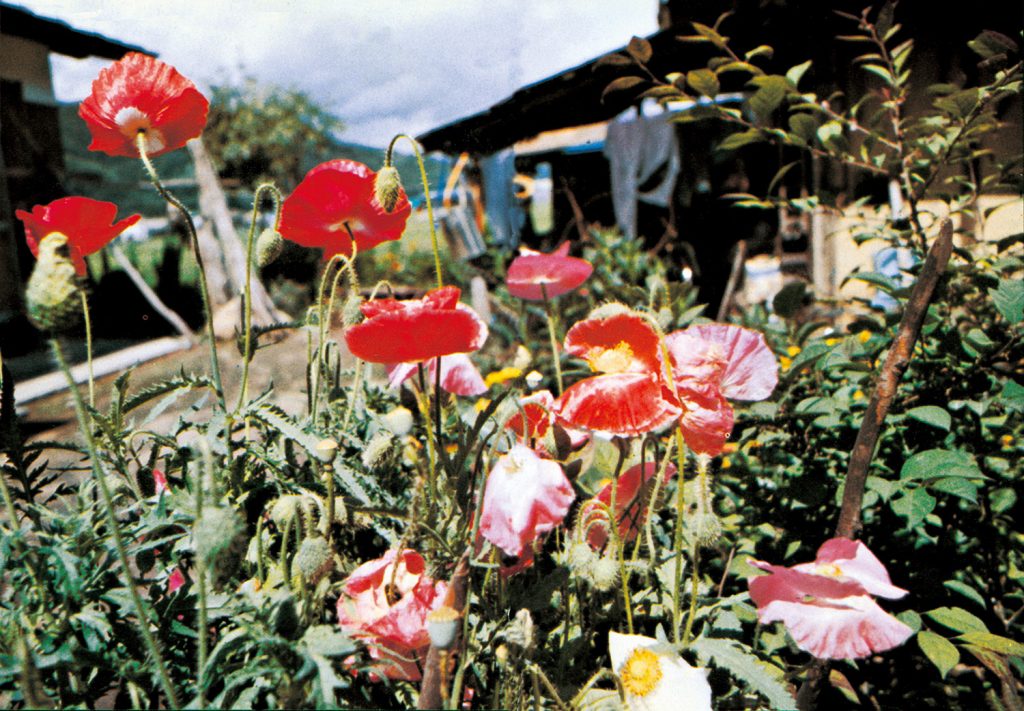
Another example of Furusato is shot by Moriyama in Tales of Tono (1976) reflects Japan’s interest in folklore, blurry, grainy, mysterious, suggesting that the scenes appear quickly and then disappear rather like nostalgic memories.:
Yasuhiro Ishimoto’s photographs of carefully framed abstract architectural spaces, with clear lines and geometric forms illustrate the concept of Katei Home as a space:
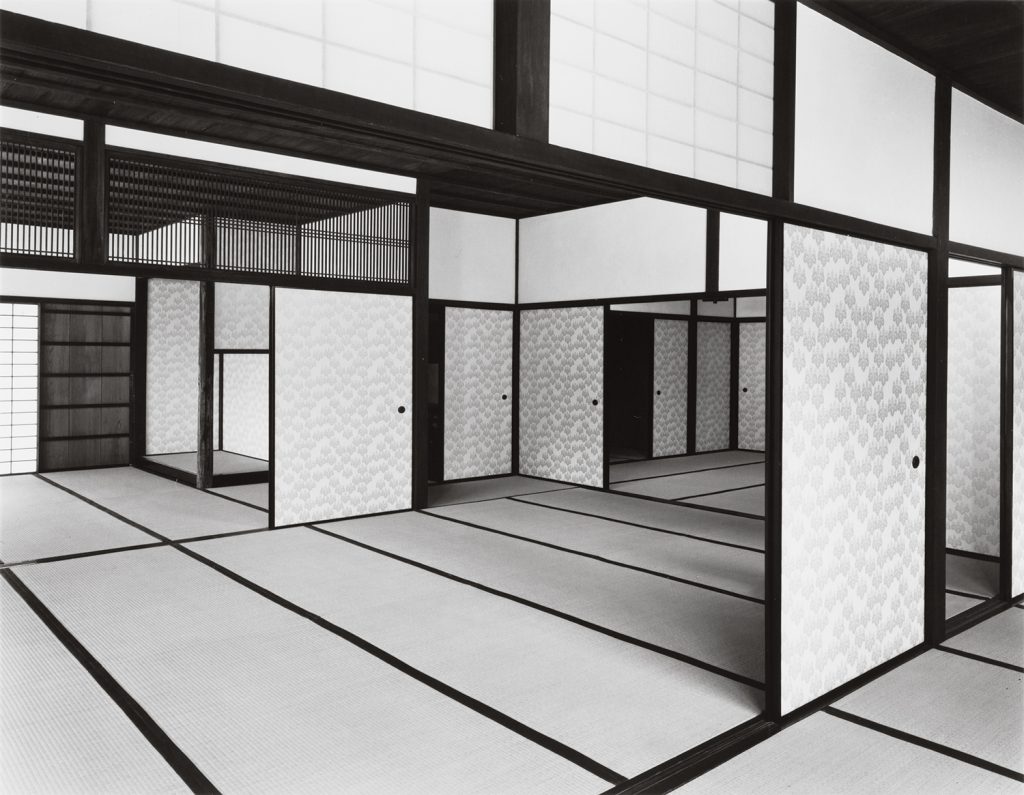
Untitled, 1981-82 from the series Katsura Imperial Villa

Tsuzuki’s photographs Tokyo Style Japan (1993) are more of an example of Kazoku, realistic interiors of small homes.
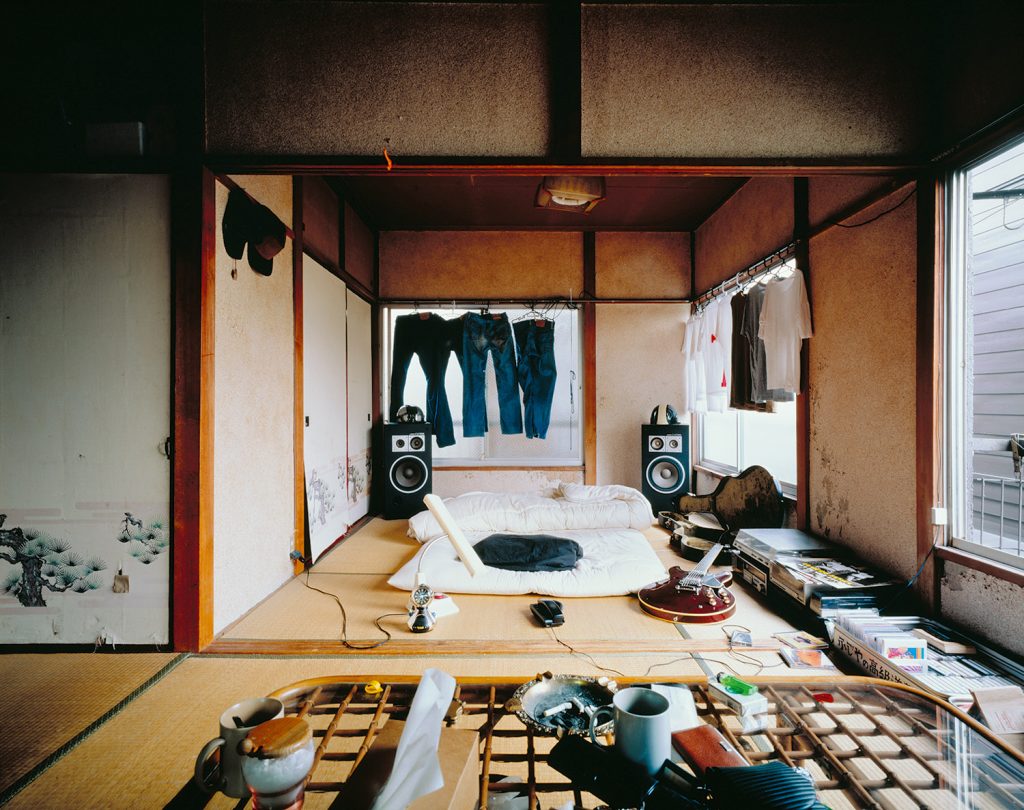
Kazoku where home means family are shown in images where there is a narrative quality describing people’s homes and domestic habits such as Takashi Homma:

Tokyo and my Daughter (2006)

This article and the information on the different concepts surrounding a home made me reflect on what part of home I was sharing in my assignment one “Staying safe at home”.

Reference:

Fritsch, L (2020) The Many Faces of Home in Japanese Photography (2020) At: https://aperture.org/blog/home-japanese-photography/ (Accessed 14/04/2020).

I ALSO CONSIDERED PHOTOGRAPHERS WHO HAD WORKED WITH OR THROUGH WINDOWS:

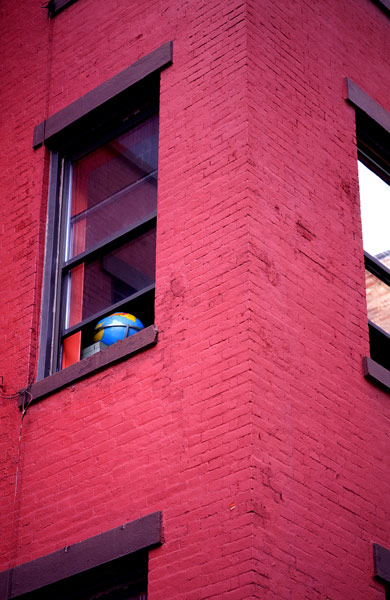
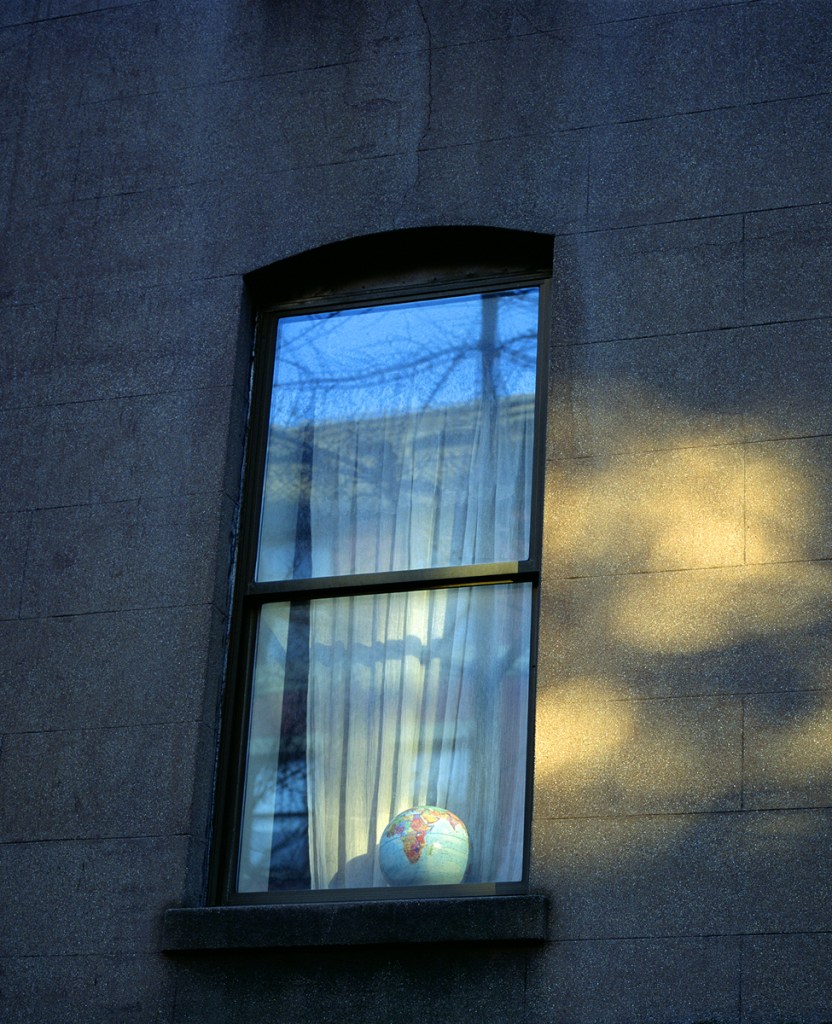
JENNIFER BOLANDE – Globe sightings (begun 2001)

Bolande photographed globes that she spotted in windows; I found this an interesting concept for work, rather like collecting but not everyday occurrences – or maybe they are when you are looking for them? The work is also a map of her physical journey and is a topological inquiry also.
Bolande followed this up with her sculpture Mountain (2004) where she used ‘Globe Sightings’  images as the foundation for a three-dimensional topography; in this she removed the globes from their original context, this magnifies the differences between the globes, as does the work below Global Tower:
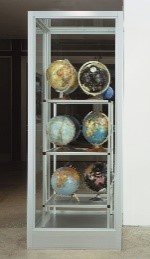
The work shows me how even when collecting like items as they viewed from different vantage points, different perspectives will appear unless you remove the context as she has in her sculptures of the work. The continuity in these photos are the globes, whilst the focal distance, the window being open or closed, the time of day, curtains blinds or no window dressing changes and the series seems the stronger for the variables.

I will definitely return to look at more of her work, her concepts look fascinating.

Reference:

Globe Sightings, 2000 (2000) At: https://jbolande.com/portfolio/globe-sightings-2000/ (Accessed 15/04/2020).

JOSEF SUDEK (1896-1976)

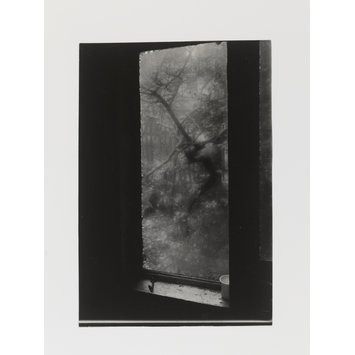
Sudek’s work combines 20th century photographic styles of Pictorialism, and Modernism with Surrealism. He was know as the poet of Prague, and apparently his images are “primarily poetic statements, to be read as a metaphor for the boundaries between the exterior and interior world, thought and observation, clarity and mystery and the material and the ephemeral” (V and A Collections 2020), he was injured in the war and his work also reflects his feelings about immobility and disconnection from the outside world. This reminds me of the work of Edward Westin and Alfred Stieglitz.

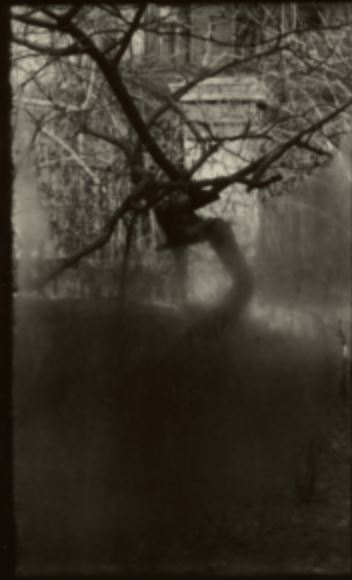
This series “From the window of my studio” of twilight scenes and images of windows, showcases this concept. The shadowy areas and low-key prints enhance the expressiveness of the images. He did explain the motive behind his work “I like to tell stories about the life of inanimate objects, to relate something mysterious: the seventh side of a dice,” (Shankar, 2016), this strikes me as same as the objective of my assignment 1.

There were two windows in his studio, one overlooking an unimpressive line of buildings the other a more scenic small courtyard, with a twisted apple tree. He photographed these views over 14 years at different times of day, seasons, and weather. There are an amazing amount of variations and the work shows how ultimately photography is all about light. He was obviously fascinated about how glass reflects and bounces light, as well as creates shadows. His images also often include vases with water and reflective table-tops.

Reviewing Sudek’s ideas and work makes me realise why my explorations shooting through windows have been so challenging, maybe I should go with the reflections rather than try to minimise them?

References:

V and A Collections (2020) The Window of My Studio | Sudek, Josef | V&A Search the Collections. At: http://collections.vam.ac.uk/item/O1277029 (Accessed 15/04/2020).

Scaldaferri, G. (s.d.) Photographer Josef Sudek: The Poet Of Prague. At: https://theculturetrip.com/europe/czech-republic/articles/photographer-josef-sudek-the-poet-of-prague/ (Accessed 15/04/2020).

The Window of My Studio (Getty Museum) (1940) At: http://www.getty.edu/art/collection/objects/35730/josef-sudek-the-window-of-my-studio-czechoslovakian-1940-1954/ (Accessed 15/04/2020).

Josef Sudek – From the Window of My Studio, 1944-1953 | Phillips (s.d.) At: https://www.phillips.com/detail/josef-sudek/NY040118/51 (Accessed 15/04/2020).

Shankar, G. (2016) ‘Subscribe to read’ In: Financial Times 10/06/2016 At: https://www.ft.com/content/a90febb2-2e24-11e6-a18d-a96ab29e3c95 (Accessed 15/04/2020).

ANDRE KERTESZ

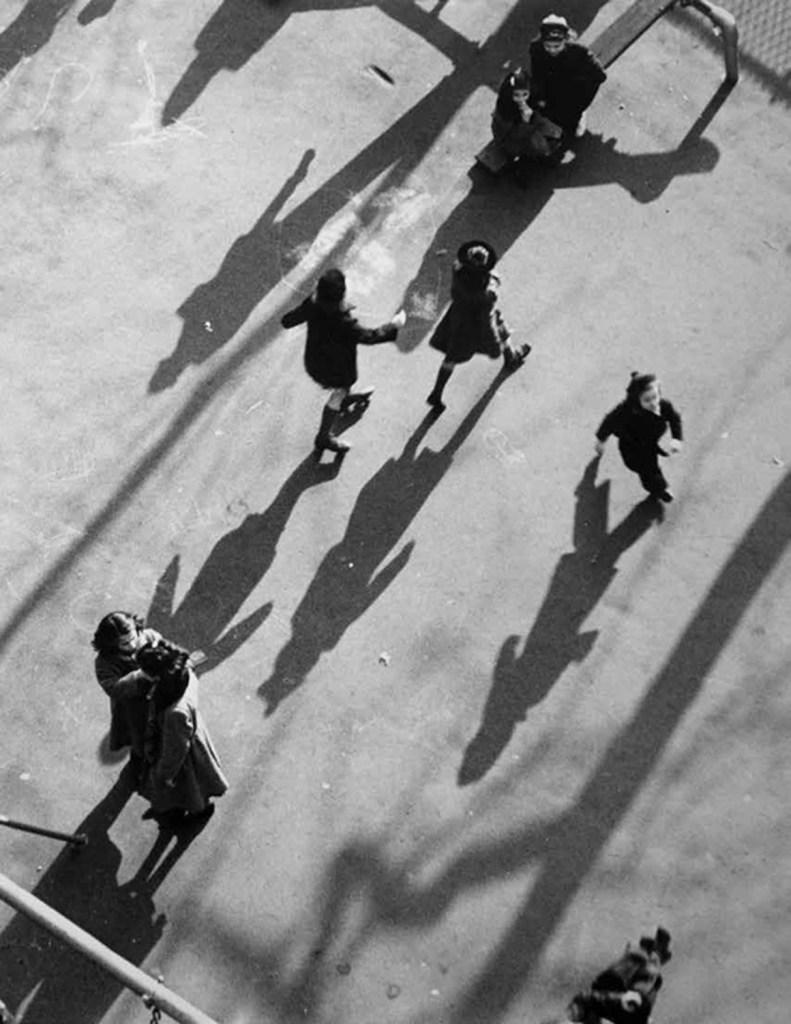
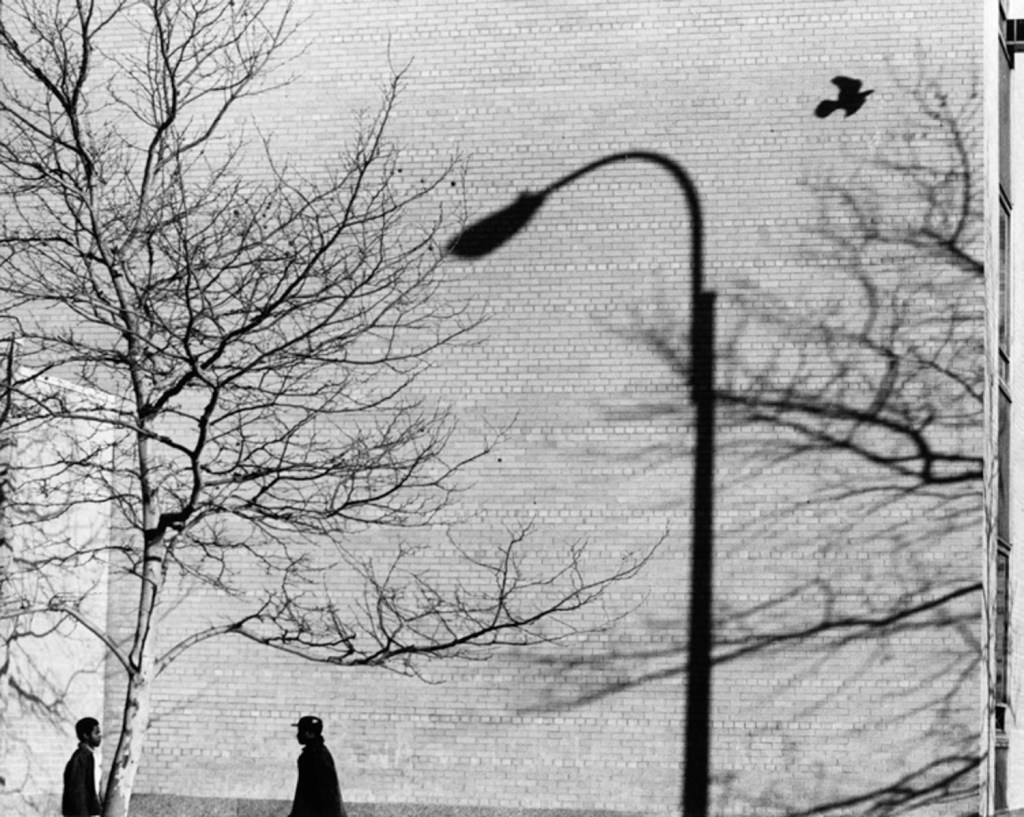
He shares many similarities with Sudek; born in Hungary, he was also injured in the war took psychic scars and spent some years recovering in therapeutic military facilities. Kertesz like Sudek during WW2 photographed from the inside to the outside, and from 1952 from his 12th story apartment overlooking Washington Square Park, began a series of modernist masterworks shot from his window that he continued until his death in 1985. His work shares Sudek’s sense of isolation but more so has a Voyeuristic quality. His vantage points were higher than Sudek’s and I’m guessing more windows, and he was able to capture a wider variety of subjects. Kertesz also liked to photograph objects against the inside of his window, particularly those that reminded him of his wife after her passing. This is another photographer who I should study further and it would interesting to do this in conjunction with studying Sudek.

Reference:

André Kertész, From his Window – Picto NY (s.d.) At: https://pictony.com/andre-kertesz-from-his-window/ (Accessed 15/04/2020).

I revisited Nigel Shafran’s work for he everydayness of it:

NIGEL SHAFRAN

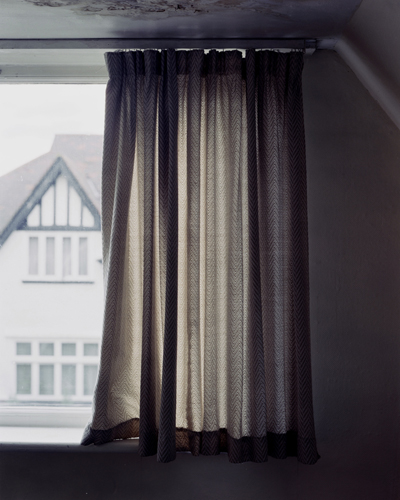
Nigel Shafran’s was initially known as a fashion photographer, yet his observation-led photography became influential in the 1980s. He is most known now for his photographs narrating everyday life. Even though his photographs are of everyday things he finds beauty in the ordinary and he likes us to accept things for the way that they are. He communicates his ideas in a simple way, and asks why complicate something as you might mess it up? (Smyth, 2018). In presenting things in a straightforward way he seems to emphasis both their detail and their ordinariness. Interestingly he calls himself a family photographer, though of course not the usual sort of one!

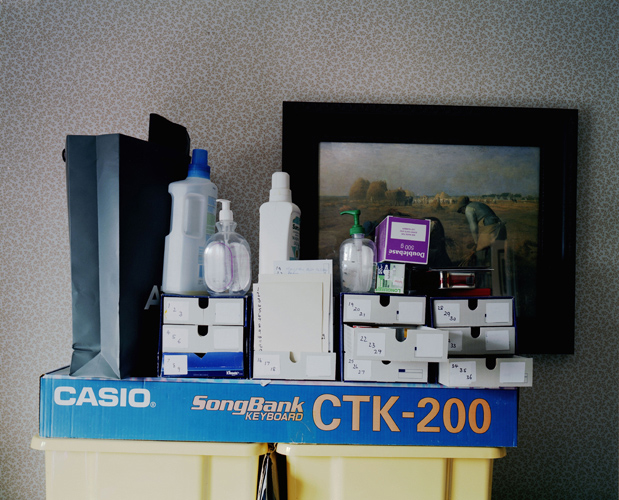
(Shafran, 2020)

References:

Nigel Shafran (2020) At: http://nigelshafran.com/ (Accessed 18/04/2020).

Smyth, D. (2018) Everyday beauty with Nigel Shafran. At: https://www.bjp-online.com/2018/05/shafraninterview/ (Accessed 18/04/2020).

RESEARCH LEARNING POINTS:

  • Anna Fox: Consistent angled perspective, clarity, good d of f.
  • Ischino: It is the feelings that he is trying to express in his images that interests me, and this reminds me that I should consider what feeling I’m trying to convey in my assignment 1, I particularly identify with “a frame on the wall ever so slightly crooked” and a what happens when a house becomes unfamiliar.
  • Robert Adams: bring to our attention the ordinary and often overlooked in a sympathetic way, also the sense of abandonment and the sense of a room left behind by humans and the atmosphere and feelings with it. it is the emotion of the scenes that he captures that interests me.
  • Fritsch article on Japanese photographs of home: the different concepts surrounding a home made me reflect on what part of home I was sharing in my assignment one “Staying safe at home”.
  • Jennifer Bolande: That subjects viewed from different vantage points/perspectives will (which you usually have unless you remove context)appear unless you remove the context The continuity can be the subject itself even if the focal distance, the window being open or closed, the time of day, curtains or blinds or no window dressing changes and the series may be stronger for the variables.
  • Josef Sudek: What interest me was that this work is “primarily poetic statements, to be read as a metaphor for the boundaries between the exterior and interior world and that his work also reflects his feelings about immobility and disconnection from the outside world. He used photography to tell stories about the life of inanimate objects, this strikes me as same as part of the objective of my assignment 1. Reviewing Sudek’s ideas and work makes me realise why my explorations shooting through windows have been so challenging, maybe I should go with the reflections rather than try to minimise them?
  • Kertesz: A sense of isolation and photographs of objects against the inside of his window.
  • Nigel Shafran: Beauty in the ordinary, by presenting things in a straightforward way he seems to emphasis both their detail and their ordinariness.

Next post: https://nkssite5.photo.blog/category/learning-log-research-and-reflection/photographer-talks/laura-pannock-15-4-20/

PART ONE INTRODUCING DOCUMENTARY: MY LEARNING

Project Defining documentary:

  • Don’t set limitations as they create preconceptions
  • Boundaries of documentary are being pushed already
  • Be aware of factors that may distort the purpose of images

Project What makes a document?

  • Walton: On the nature of photographic realism – photography as a way of showing and seeing rather than just representing, we see the world through the photograph
  • Every photograph is a document but with time can be more
  • Photographs have a message about the event/subject photographed and a message about the shock of discontinuity (separation from context), this makes all photographs ambiguous (Berger)
  • Photographs are often used with words to fill this broken continuity
  • The general meaning of an image is not instantaneous but is found during connections (Berger).
  • The truth in a photograph may be limited by the photographer

Project A postmodern documentary

  • Postmodernism provides a new framework for considering photographic truth and objectivity
  • Consider my intentions when photographing and remember my responsibilities to truth
  • When accessing truth and objectivity remember to consider all influences, cultural, contextual, editorship…
  • Photojournalism should show the intention of the photographer
  • Quieter stories can be effective
  • Embrace a broader view of photojournalism

Next post: https://nkssite5.photo.blog/category/research/a1-research/a1-own-research/

PART 1 INTRODUCING DOCUMENTARY: A POSTMODERN DOCUMENTARY

Exercise: A decisive moment

Read Simon Bainbridge’s article on the 2011 Hereford Photography Festival. Core resources: Hereford_Bainbridge.pdf. Select one of the bodies of work in the article and write a 200-word reflective commentary in your learning log. (Open college of the arts, 2014:30)

Simon Bainbridge’s Time & Motion Studies presents work that results from deliberate and sustained observation. The five photographer’s concepts with carefully considered strategies are more prominent than their aesthetics. They are communicating ideas about subjects that aren’t necessarily photogenic. Each work has appeared in the British Journal of Photography.

Donald Webber’s Interrogations are real ones of suspected criminals in Ukraine, ‘the result of his personal quest to uncover the hidden meaning of private, unpleasant encounters with unrestricted Power.’ For this Webber worked hard to access to his subject.

Robbie Cooper’s work Immersion is acollection of stills and videos that show the various expressions appearing on people’s faces as they play video games and watch YouTube. In this case Cooper collaborated with psychologists and learnt new technologies to capture his images.

Manuel Vasquez work Traces is based on surveillance culture, images captured mainly in anonymous public places.

I was most interested in the work of George Georgiou (The Shadow of The Bear, 2009-10) and that of his partner Vanessa Winship (Georgia 2009-10) as they shot in the same places at the same time but with completely different agendas.

Georgiou’s project looks at the aftermath of the peaceful ‘colour’ revolution that took place in Ukraine, against a backdrop of Russia resurging as a major international power and is interested in the ongoing interference in both their sovereign and domestic affairs. It shows how people of Georgia and the Ukraine negotiate the space that they find themselves in, individually though with their shared history in the Soviet Union. Georgiou, whilst staying hidden, captures people in their everyday lives and shoots repeatedly from the same vantage point. If there is a decisive moment in his work it comes when he edits from hundreds of his images. The images are sequential but he disrupts the sequences when he presents them, another way that he forms decisive moments.

(IN THE SHADOW OF THE BEAR, 2020)

Vanessa Winship shoots the same subjects but in the open, with their knowledge and usually engages them with a direct stare seeking a connection. Her subjects are usually shot with minimal context and look vunerable. Winship describes their existence as a “Kind of fantasy of sorts” as “there is a kind of melancholia, an underbelly that almost inevitably sets itself against such exuberance”; this is especially so when she visits after a summer of war .

“I found my friends exhausted but very much alive, alive in a way that is only possible when one is so close to the possibility of death” (Agence, 2020). Against this backdrop she says that she searched for those that represented this romanatic fantasy, dancers, wedding guests and so on. Her work explores memory, identity and history (Agence, 2020).

My work explores concepts of borders, land, memory, desire, identity and history,” wrote Vanessa Winship in 2011. She is a thoughtful photographer who moves between genres – reportage, documentary, portraiture, landscape. Her most memorable images are quiet and luminous.

(Agence, 2020)

I find Winship’s work reflective in a melancholy and enigmatic way both on the place and the people. Whilst I find Georgiou’s work more brutal and honest possibly. The work of these two photographers illustrates how motive affects the way that subjects are captured, edited and presented to form the decisive moment in their work.

References:

Agence, V. U. (2020) Georgia, A small piece of Eden – Winship / Agence VU. At: https://www.agencevu.com/stories/index.php?id=697&p=148 (Accessed 01/05/2020).

IN THE SHADOW OF THE BEAR, UKRAINE | prospekt | photographers (2020) At: http://www.prospektphoto.net/stories/george-georgiou-in-the-shadow-of-the-bear-ukraine/ (Accessed 01/05/2020).

Open College of the Arts (2014) Photography 2: Documentary-Fact and Fiction (Course Manual). Barnsley: Open College of the Arts.

Next, listen to Jon Levy, founder of Foto8, talking about documentary in the art gallery at http://oca-student.com/node/100127 Note down your reactions to Levy’s comments in your learning log (Open college of the arts, 2014:30).

Jon Levy on the intention of the photographer

He talks about the intent of the magazine Foto8 being about storytelling, not fictional but as reports of issues that are out there. His main criteria for photojournalism is being able to see the intention of the photographer, and this before the work is presented; this for him is the judge of whether a photograph is photojournalism. He suggests that bringing in work that isn’t obvious photojournalism is useful (for instance local, personal stories) as they can initiate a wider understanding of photojournalism. Sometimes the quieter and sometimes emotional stories can reveal important issues and connect more. Levy says it’s how they work that really matters, rather than how they look, that should decide whether they are photojournalism. Photojournalism has tended to be a western view of the rest of the world, but this shouldn’t necessarily be so; the trend for vernacular photography, which can be at home not in the rest of the world can be effective. Levy suggests that if you want to tell a story whether you have your own point of view or bring an outside point of view, both are equally valid. Accessibility has broadened photography and gives more points of view and different perspectives which can only be good.

A summary of Levy’s perspective:

  • Its an interesting comment that photojournalism should clearly show the intention of the photographer.
  • Quieter stories can be equally effective at revealing issues and connect with viewers better.
  • It is how stories work that is important; I guess whether they work or not rather than whether they are conventional photojournalism.
  • Photojournalism should just be that that is viewed as a Western view of the world.
  • Both inside and outsider views are equally valid for photojournalism.
  • We should embrace the broadened view of photojournalism that greater accessibility brings.  

My thoughts:

I don’t feel qualified at the beginning of this course and my first forays into documentary photography to do much except take notes of these ideas. However going forward I will take serious note of the importance of showing the intention of my work, and comfort in the notion that quieter can be good at revealing issues and connecting with an audience, and to be aware that t is how stories work that is important.

References:

Open College of the Arts (2014) Photography 2: Documentary-Fact and Fiction (Course Manual). Barnsley: Open College of the Arts.

In Transit (2020) Hereford Photography Festival. At: http://georgegeorgiou-intransit.blogspot.com/2011/10/hereford-photography-festival.html (Accessed 01/05/2020).

Next post: https://nkssite5.photo.blog/category/learning-log-research-and-reflection/reflection/a1-reflection/a1-my-learning/

PART 1 INTRODUCING DOCUMENTARY: A POSTMODERN DOCUMENTARY

EXERCISE: THE MYTH OF OBJECTIVITY

Write a 250-word reflective commentary on the above quotes by André Bazin and Allan Sekula. Briefly compare their respective positions and record your own view on the issue of photographic objectivity (Open College of the Arts, 2014:28)

This is the quote supplied from André Bazin:

 “For the first time, between the originating object and its reproduction there intervenes only the instrumentality of a non-living agent. For the first time an image of the world is formed automatically, without the creative intervention of man…in spite of any objections our critical spirit may offer, we are forced to accept as real the existence of the object reproduced, actually, re-presented…” (Bazin and Gray, 1960).

 In this article Bazin compares the differences between film/photography and painting/sculpture, asking “what are they?” and “what do they mean?” He was particularly interested in the nature of reality, and thought that painting and sculpture could only represent with expression, and so might not be realistic. Though he admitted the presence of the personality of the photographer and that their option to choose their purpose for photographing; Bazin sees the process as scientific rather than artistic, that it reproduces reality, and that the camera is objective  (through an object), credible and without evidence of the human hand. He also sets out that photography is able to present something in such a realistic way that y0u will look at it afresh.

This is the quote from Allan Sekulla:

If we accept the fundamental premise that information is the outcome of a culturally determined relationship, then we can no longer ascribe an intrinsic or universal meaning to the photographic image.” (Sekula, 1997, p454).

He believes that every photograph carries a message, and this is dependent on its cultural definition as information is a culturally determined relationship. He says that photographic literacy is learned and semantic properties cannot live in the image alone and therefore you can’t ascribe a universal meaning to a photograph.

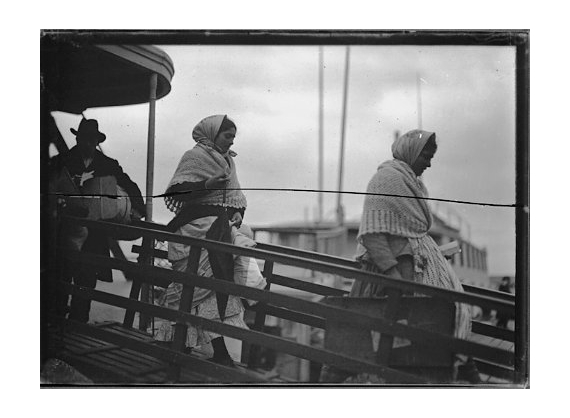
To illustrate his belief Sekula deconstructs Stieglitz’s photograph “Steerage” (1911) alongside Lewis Hine’s “Immigrants going down the gangplank” (1905) to show the effect that context and culture/ history have on the meaning of an image.

(Stieglitz, 2020)    

(Hine, 2020)

Their subject matter is very similar but Sekula argues that the social and historical contexts of the photographers were different and therefore so were their intentions. Stieglitz’s “Steerage” was first published in Camera work magazine where photographs were considered artistic. On the other hand Hines was a Sociologist, Sekula describes him as an aesthetic realist, and his photograph appeared in a social-work journal. Sekula describes Hine’s as more like a report, but even so Sekula notes that he is expressing concern rather than just documenting fact. Sekula refers much to Barthes and in doing so points out that as the conative function of a photograph may be culturally determined it may sometimes give a photograph the status of a document.

My view:

The positions of Bavin on the status of the photograph “we are forced to accept as real the existence of the object reproduced, actually, re-presented…”(Bazin,1945, p7) and Sekula that information is the outcome of a culturally determined relationship, then we can no longer ascribe an intrinsic or universal meaning to the photographic image(Sekula, 1997, p454) are quite different.

Having read them I am directed back to Berger who asked, whether photographs are an artefact, or a trace left by light that has passed through an object (Berger, 2013).

I cannot share Bavin’s view, and that commonly held at the time when documentary photography was in its golden age that a photograph is an unquestionable true representation of something. Bavin is excluding from the photographic process the effect of purpose, preparation, subjective capturing and processing; and this is increased now by digital and citizen photography and journalism. The photographic image is also biased by Editors and Curators, amongst others post shooting. However it is still true that many viewers are unaware of the potential for the bias in photographs outside manipulated processing.

I think like Sekula that it is actually more complicated than art photography versus documentary photography in terms of an image’s realism or expressionism. As genres become blurred we must be aware of all the influences acting on an image including cultural and contextual when we are assessing objectivity.

References:

Alfred Stieglitz/ The Steerage  | 33.43.419 | Work of Art | Heilbrunn Timeline of Art History | The Metropolitan Museum of Art (2020) At: https://www.metmuseum.org/toah/works-of-art/33.43.419/ (Accessed 09/03/2020).

Barthes, R 1964, ‘Rhetoric of the Image’, in J Evans, S Hall (eds.), Visual Culture:the reader, Sage PublicaEons, London

Bazin, A. and Gray, H. (1960) ‘The Ontology of the Photographic Image’ In: Film Quarterly 13 (4) pp.4–9. 

Berger, John. (2013). Understanding a Photograph. 1st ed. New York: Aperture Foundation

Hine Lewis | Immigrants Going Down Gang Plank From Ferry Boat That Lands Them On Ellis Is. | MutualArt 2020.) At: https://www.mutualart.com/Artwork/Immigrants-Going-Down-Gang-Plank-From-Fe/18423F7C3CBB7E61 (Accessed 09/03/2020).

Open College of the Arts (2014) Photography 2: Documentary-Fact and Fiction (Course Manual). Barnsley: Open College of the Arts.

Sekula, A ( 1997) ‘On the Invention of Photographic Meaning’, 1997, p.454) At: https://zscalarts.files.wordpress.com/2013/12/on-the-invention-of-photographic-meaning-sekula.pdf (Accessed 10.3.20)

Next post: https://nkssite5.photo.blog/category/coursework/part-1-introducing-documentary/a-postmodern-documentary/exercise-a-decisive-moment/

PART 1 INTRODUCING DOCUMENTARY: A POSTMODERN DOCUMENTARY

Exercise: In and around afterthoughts

Read the article ‘In, Around and Afterthoughts (on Documentary Photography)’ by Martha Rosler in Bolton, R. (ed.) (1992) The Contest of Meaning. Cambridge, MA: MIT Press (p.303). This is available as a core resource on the student website at: http://www.oca-student.com/resource-type/course-specific-resources/contest-meaning-pg-303. Make notes in your learning log or blog. (Open College of the Arts, 2014:27)

Notes:

Rosler asks “how can we deal with documentary photography as a photographic practice and what remains of it now?” (Rosler,1992:333).

Documentary came to represent the social conscience of liberal sensibility presented in visual imagery and had its place in a war on poverty as journalist attention was brought to working class lives and slums; although it was often perceived as muckraking and obtained by unethical means.

Documentary photography may have appeared moralistic and yet the notion of charity that it inspired actually preserved wealth was not at odds with reformist documentary which argued for giving a little to subdue the dangerous lower classes, but was essentially victim photography.

Rosler cites Szarkowski who said that a generation ago documentary photographers were serving a social cause to persuade others to make things better but were then superseded by those who used the approach and manipulated for their personal ends; liberal documentary looking for change was in the past Rosler agrees. She calls for a “radical documentary that exposes.

Rosler states that a documentary image has 2 moments, the immediate and then the conventional aesthetic-historical moment, as your response to an image is rooted in social knowledge.

Susan Meiselas (a photographer who worked for magnum and covered the war in Nicaragua) as a response to Rosler’s comments suggests documentary practise was contaminated by underlying assumptions of imperialism and colonialism and couldn’t ever be radical (Strauss, p15). Meiselas also suggests that Rosler relies on assumptions of how documentary work is actually received (Strauss p 17).

The liberal pseudo reformist documentary that exposed poverty and slums has now gone and has been replaced by documenting other issues. However reading her essay has made me think harder about my intentions when I photograph and the responsibility that a photographer has.

References:

Open College of the Arts (2014) Photography 2: Documentary-Fact and Fiction (Course Manual). Barnsley: Open College of the Arts.

Rosler in Bolton, R. (ed.) (1992) The Contest of Meaning. Cambridge, MA: MIT Press (p.303).

Strauss, D., 2014. Words Not Spent Today Buy Smaller Images Tomorrow. new york: aperture.

Next post: https://nkssite5.photo.blog/category/coursework/part-1-introducing-documentary/a-postmodern-documentary/exercise-the-myth-of-objectivity/